
Recovery Brand Activations
5 sections6 min read
The short answer
Brands can inquire about a reviewed recovery lounge, educational experience, co-branded event element, or related activation. The brief should define the campaign objective, audience, venue, schedule, participant flow, accessibility needs, content rights, data plan, and measurement. Services, staffing, capacity, logos, media use, lead collection, and success claims require written approval.
The program decision this page supports
A recovery activation can create a useful pause within a campaign or event, but the experience must remain accurate, voluntary, and operationally sound. Start with the audience and action you want, then separate brand objectives from health claims. Recovery Mode can review lounge, education, event-service, and co-branded concepts without confirming a standard traveling menu or endorsing a product by default. Brands should provide the venue plan, timing, projected participation, accessibility needs, sponsor obligations, creative brief, data collection proposal, media plan, and approval calendar. The final agreement must address professional scope, staffing, consent, privacy, queue control, sanitation, emergency escalation, logo rights, content review, influencer or testimonial use, and what measurement can honestly show.

Planning inputs that change the scope
Activation objective
Define one primary activation objective, such as qualified engagement, useful education, hospitality, content creation, or an opt-in brand experience. Name the audience, event context, desired action, and the evidence you will use to assess performance. Do not frame a recovery service as proof that a product improves health or athletic results. Separate experiential goals from clinical claims, and identify any regulated product, sponsorship category, or endorsement language that needs legal review. A clear objective allows the experience and measurement plan to be scoped together.
Audience and venue
Describe the people and place in concrete terms. Provide audience size and age range, eligibility, venue address, proposed footprint, access window, peak flow, security rules, accessibility requirements, utilities, loading, climate, and privacy conditions. Explain whether participants are athletes, employees, guests, creators, consumers, or a mixed group. If minors may attend, flag the authorization and safeguarding process. Recovery Mode must evaluate the setting before confirming any experience, equipment, staffing, or participant flow. General attendance does not establish activation capacity.
Recovery-lounge concepts
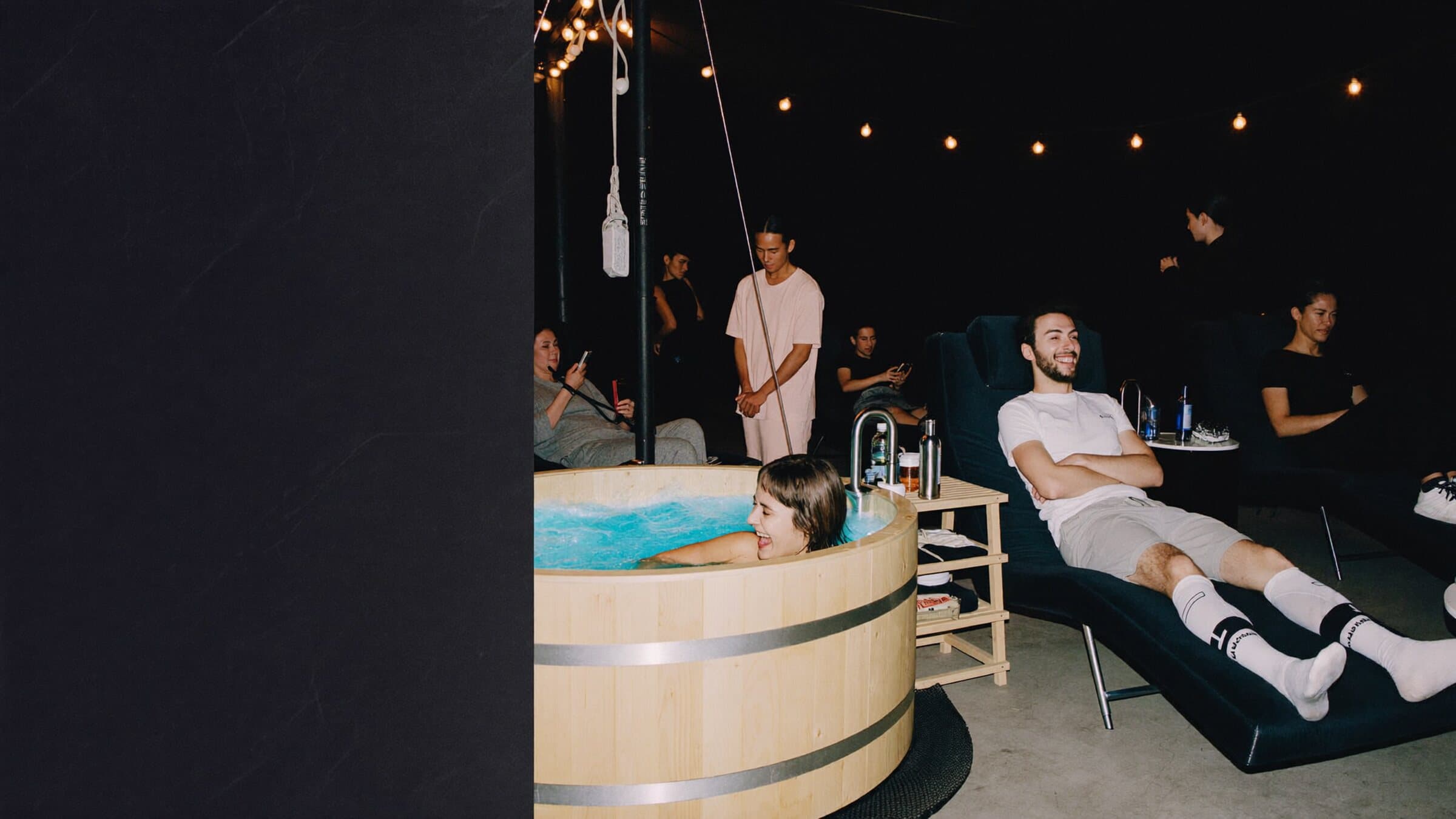
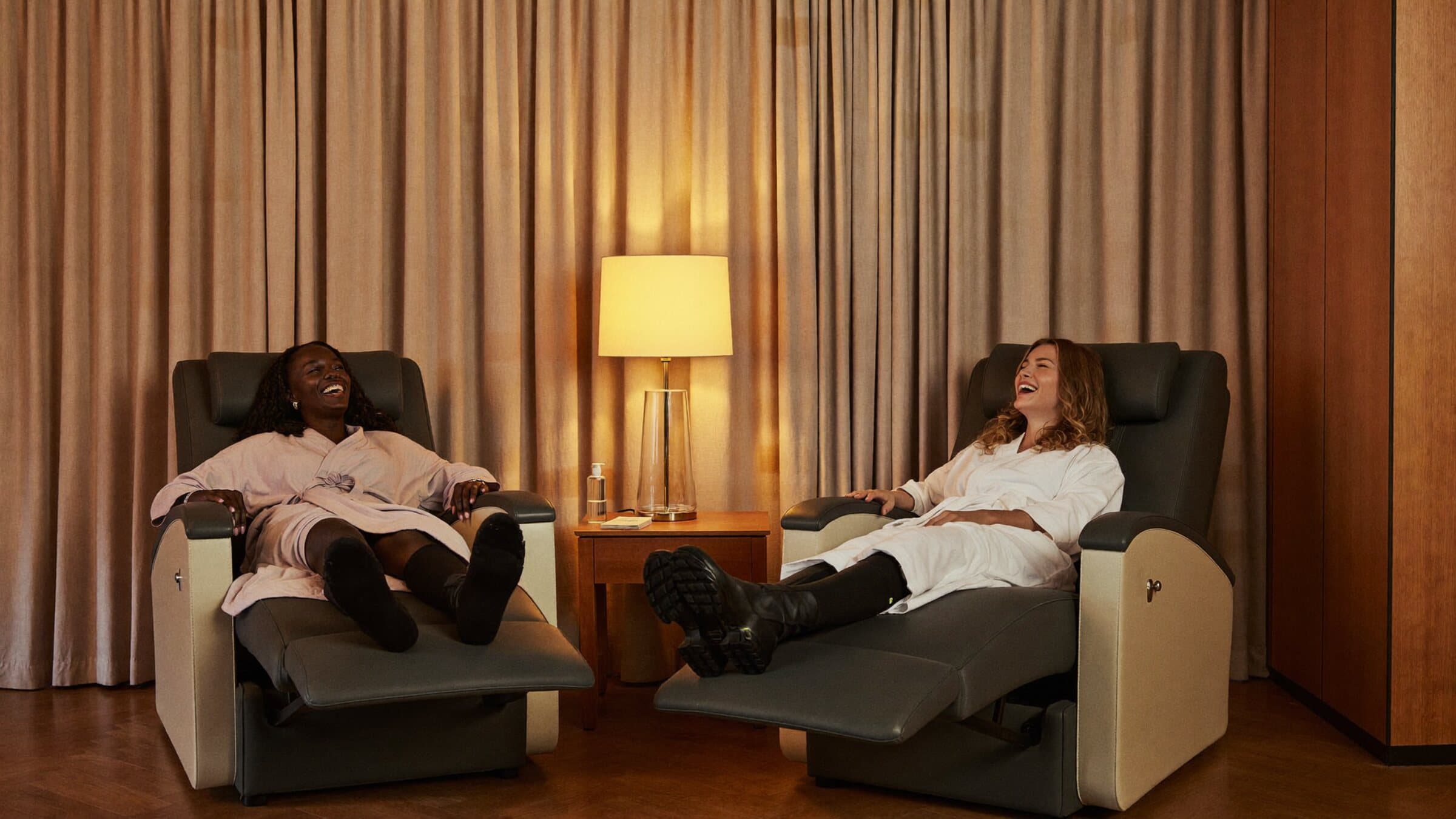
Propose a recovery lounge by specifying the intended feeling, dwell pattern, and participant journey. You may ask Recovery Mode to assess hands-on, equipment-based, temperature-based, quiet, or educational elements, but every service remains subject to current availability and professional review. The final design should show entry, eligibility, screening, consent, queue, station flow, cleaning, private questions, accessible options, and exit. The activation must not diagnose participants, treat an urgent concern, or guarantee recovery, performance, relaxation, or product benefit.
Brand and media rights
Document ownership and permissions before producing creative. List each logo, trademark, photo, video, quote, testimonial, music, and piece of participant content that may be used. Define approval order, file delivery, edit rights, usage period, channels, paid media, geographic scope, and takedown process. Attendance is not consent to appear in content, and service consent is not media consent. Recovery Mode's name or staff should not be used to endorse an unrelated product without specific written approval. Influencer requirements also need disclosure and claims review.
Staffing, safety, and measurement
Build the operating and measurement plan together. Name staffing roles, venue contacts, safety and medical leads, queue control, sanitation responsibility, incident escalation, shutdown authority, and reporting owner. Define success measures that can actually be collected, such as opt-in participation or approved feedback, without exposing health information. If leads are collected, specify controller, notice, consent, fields, access, retention, and follow-up. Pricing, capacity, services, brand rights, data use, and reporting are final only when the written scope and agreement are approved.

Build a responsible program
- 1
For Recovery Brand Activations, define the audience, event setting, expected participation, venue limits, and organizer objective.
- 2
Choose only services that can be delivered safely and lawfully in that setting by appropriately credentialed people.
- 3
Design voluntary consent, privacy, accessibility, sanitation, power, water, and queue procedures before promoting the activation.
- 4
Set a run of show with staffing, arrival, setup, participant flow, stop criteria, and a weather or venue contingency.
- 5
Approve the final scope, claims, insurance requirements, data handling, and escalation contacts in writing.
Safety, consent, privacy, and escalation
A recovery studio is not emergency or diagnostic care. New, severe, worsening, or unexplained symptoms should be assessed by an appropriate health professional before a wellness booking. A website cannot diagnose a condition, clear someone for a service, or replace emergency or clinical care. New, severe, worsening, or unexplained symptoms, fainting, breathing difficulty, chest symptoms, major swelling, loss of function, or other urgent concerns should be routed to appropriate medical care instead of a recovery booking. For Recovery Brand Activations, follow the current service-specific screening and stop guidance rather than relying on general information alone.
Move from planning to an inquiry
Return to Recovery Partnerships for the complete topic map.
Continue with Recovery Support for Teams and Coaches, Corporate Wellness in New York City, or On-Site Sports Event Recovery when that decision is closer to your situation.
For Recovery Brand Activations, the right choice can change with the day. Compare the current experience, level of guidance, time, preparation, and what you intend to do next. Use the live booking or contact source for changing details, and do not treat general information as personal medical clearance.
Frequently asked questions
State whether the primary objective is engagement, education, hospitality, content, lead generation, or another measurable action. Identify the audience and desired next step. Keep brand goals separate from health claims, and do not imply that participation proves a product or service changes recovery or performance.
Describe age range, eligibility, expected attendance, participant type, accessibility needs, event context, and peak flow. Note minors, creators, athletes, employees, or mixed audiences. These details shape screening, consent, privacy, media permission, staffing, and the participant journey before any capacity is confirmed.
Traveling experiences depend on current availability, professional scope, staffing, transport, venue space, utilities, climate, sanitation, accessibility, and safety review. Share the intended participant journey and venue specifications. Recovery Mode can confirm any suitable components only through the approved written activation plan.
Each party must approve logo use, trademarks, creative claims, photography, video, testimonials, edit rights, channels, duration, paid media, and takedown procedures. Participant service consent does not grant media permission. Recovery Mode's name or staff cannot be used as an endorsement without specific written approval.
Staffing follows the approved experience, flow, professional scope, and venue. Success measures should be specific, lawful, and feasible without exposing health information. Both parties must approve roles, data collection, consent, access, retention, reporting, safety responsibilities, and any public claim about activation results.
Next step
For Recovery Brand Activations, confirm the current service details, responsible provider, screening, and personal-fit questions before reserving. Use Contact Recovery Mode for an operational question, and use an appropriate health professional for medical clearance or symptoms that need evaluation.
Start an inquiry
Planning for a team, an event, or a workplace starts with a conversation about scope and logistics.
Sources and review basis
- Event Recovery(opens in a new tab)
First Party Web. Supports: The official site markets event and sports recovery services. Limits: Capacity, staffing, service area, COI, logistics, and case proof are not published in sufficient detail.
- Corporate Wellness(opens in a new tab)
First Party Web. Supports: The official site markets corporate wellness services. Limits: Capacity, staffing, service area, COI, logistics, and client proof are not published in sufficient detail.
- Current Brand Css And Logo Inventory(opens in a new tab)
First Party Web Asset Audit. Supports: The current public site uses an off-white, black, electric-cyan, gray, and dark-green palette, expanded uppercase display styling, and three materially different public marks. Limits: Do not call any observed mark the official master until the brand owner selects it and supplies the source files and usage rights.
- Legal Entity And Service Boundary(opens in a new tab)
First Party Legal. Supports: Current terms identify Portable Physical Therapy P.C. doing business as Recovery Mode and state that website content is not diagnosis or emergency care. Limits: Terms need counsel review against actual service entities and booking flow.