
Recovery for Your Sport and Schedule
5 sections6 min read
The short answer
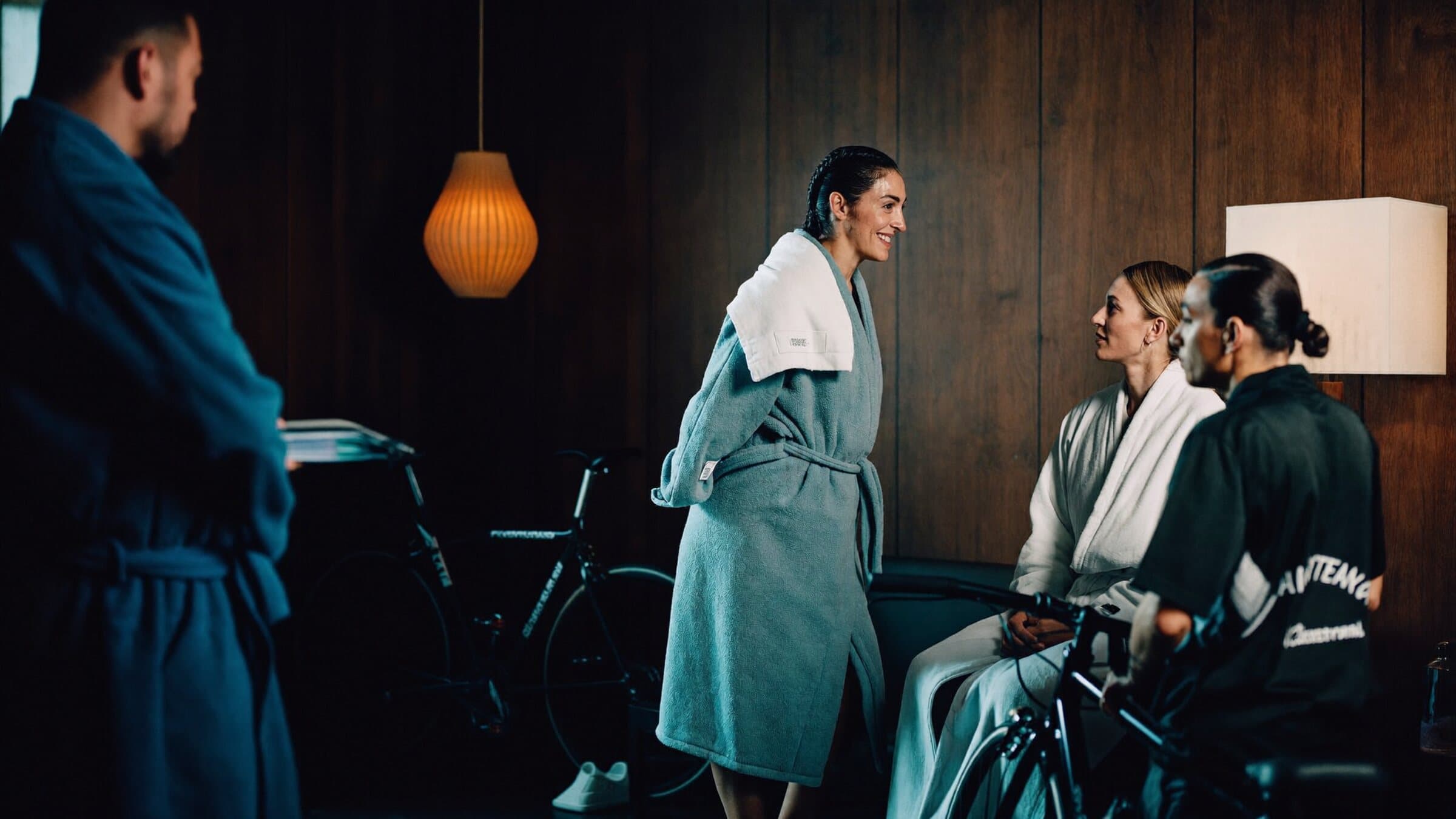
Recovery needs can vary across running, cycling, strength training, hybrid fitness, performing arts, desk work, travel, and everyday activity. Choose an audience pathway to find relevant planning questions and service comparisons. These guides reflect common contexts, not a promise that every person in a sport needs the same modality or will experience the same result.
Explore from here
- Recovery for RunnersWhich runner-specific goal or service page to visit next.
- Recovery for HYROX AthletesWhich recovery pathway fits the athlete's current hybrid-training phase.
- Recovery for CrossFit AthletesWhich recovery option matches today's CrossFit stimulus and the next session.
- Recovery for Lifters and Strength AthletesWhich service or timing guide fits a strength-focused training phase.
- Recovery for CyclistsWhich recovery path fits the cyclist's body position and training calendar.
- Recovery for TriathletesWhich discipline and schedule should drive today's recovery choice.
- Recovery for DancersWhich recovery choice fits rehearsal or performance timing.




Choose the right starting point
Your activity can shape the language you use and the schedule you keep, but it does not determine a single correct recovery service. A runner may be planning around mileage, a strength athlete around training volume, a HYROX participant around mixed demands, and a performer around rehearsal and show timing. People who sit for long periods or travel often have different practical constraints again. This hub connects those contexts to educational guides, recovery goals, and service comparisons without turning an audience label into a diagnosis. Start with the path that most closely resembles your week, then consider your actual symptoms, preferences, time, and health questions before choosing or inquiring.
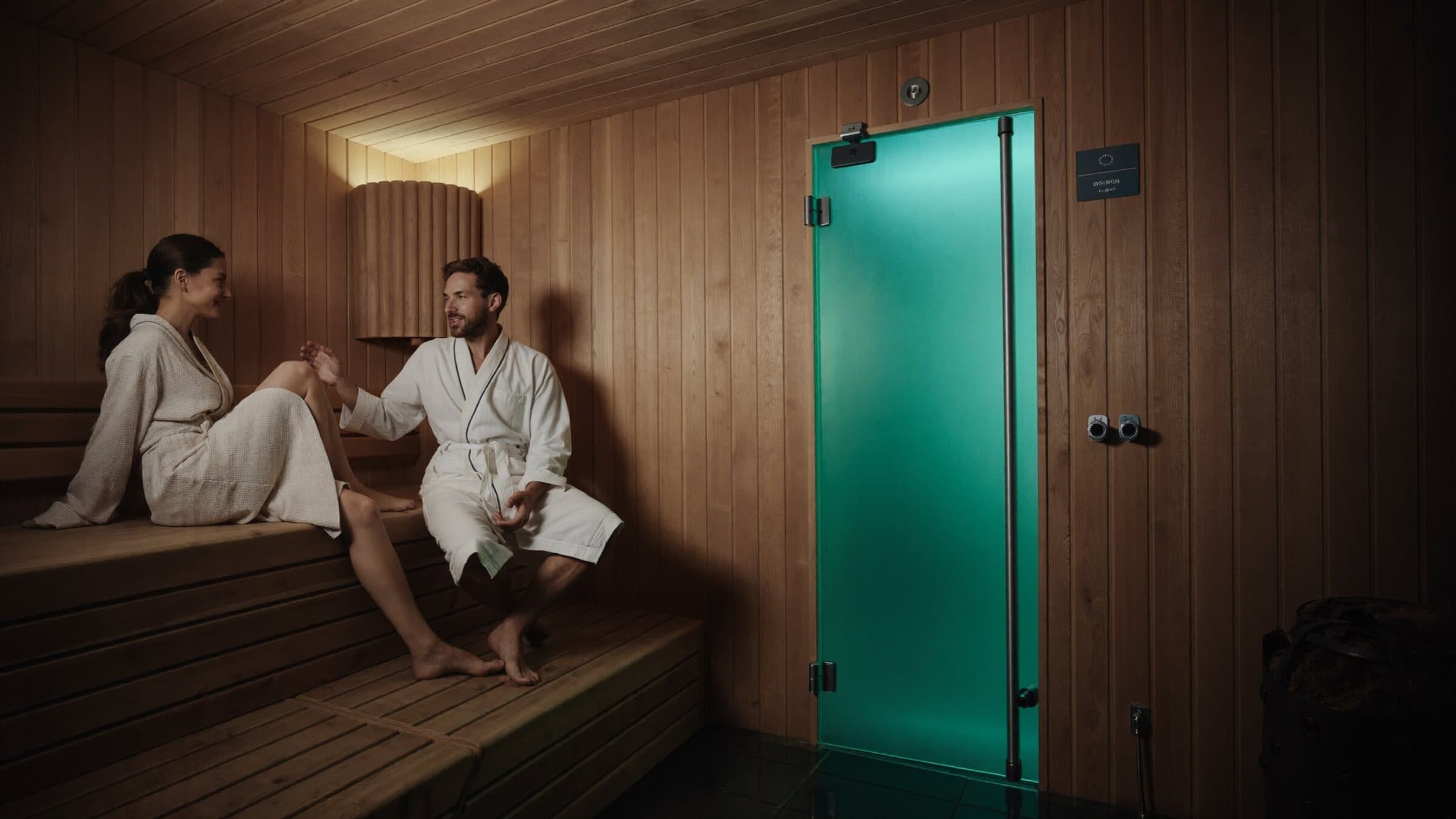
What this hub helps you explore
Endurance audiences
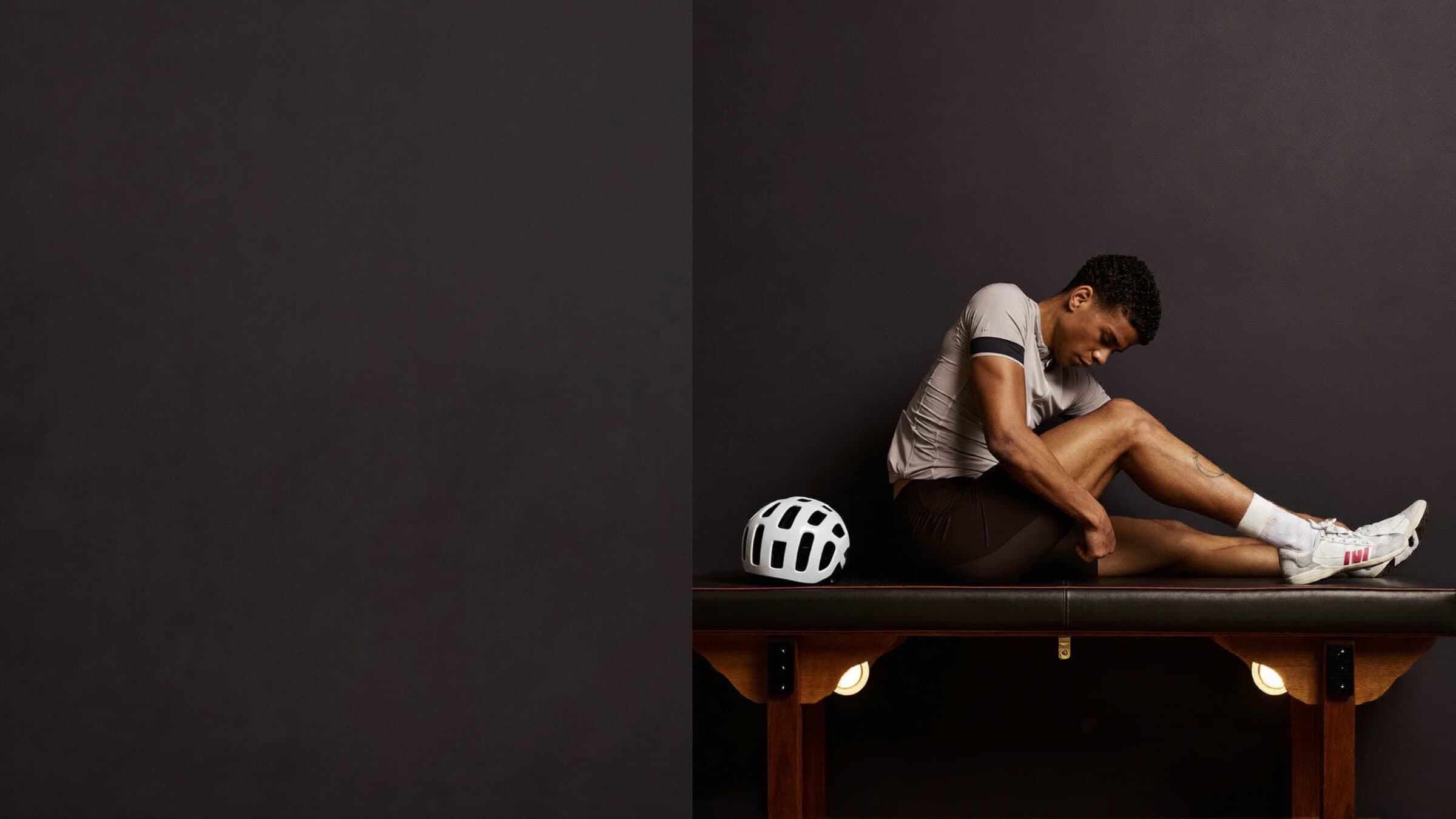
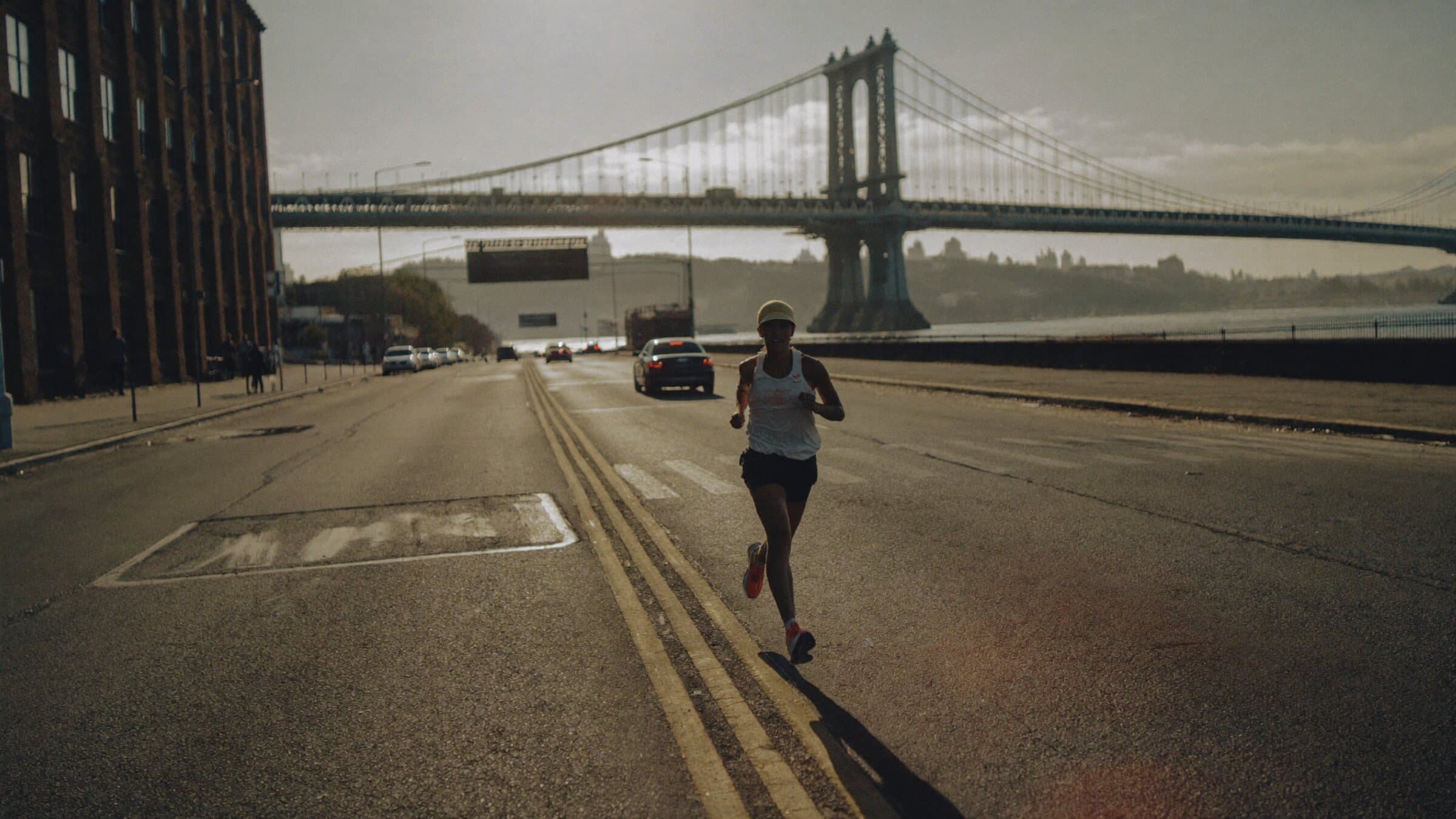
Endurance audiences often think in cycles: regular training, long sessions, taper periods, events, and the return to routine afterward. Runner and cycling pathways help you consider timing, familiarity, ordinary soreness, and practical session formats. They also connect to race-week and post-race planning. The goal is to help you form a recovery plan, not to claim that massage, heat, cold, compression, or another modality will improve performance or prevent injury for every endurance athlete.
Strength audiences
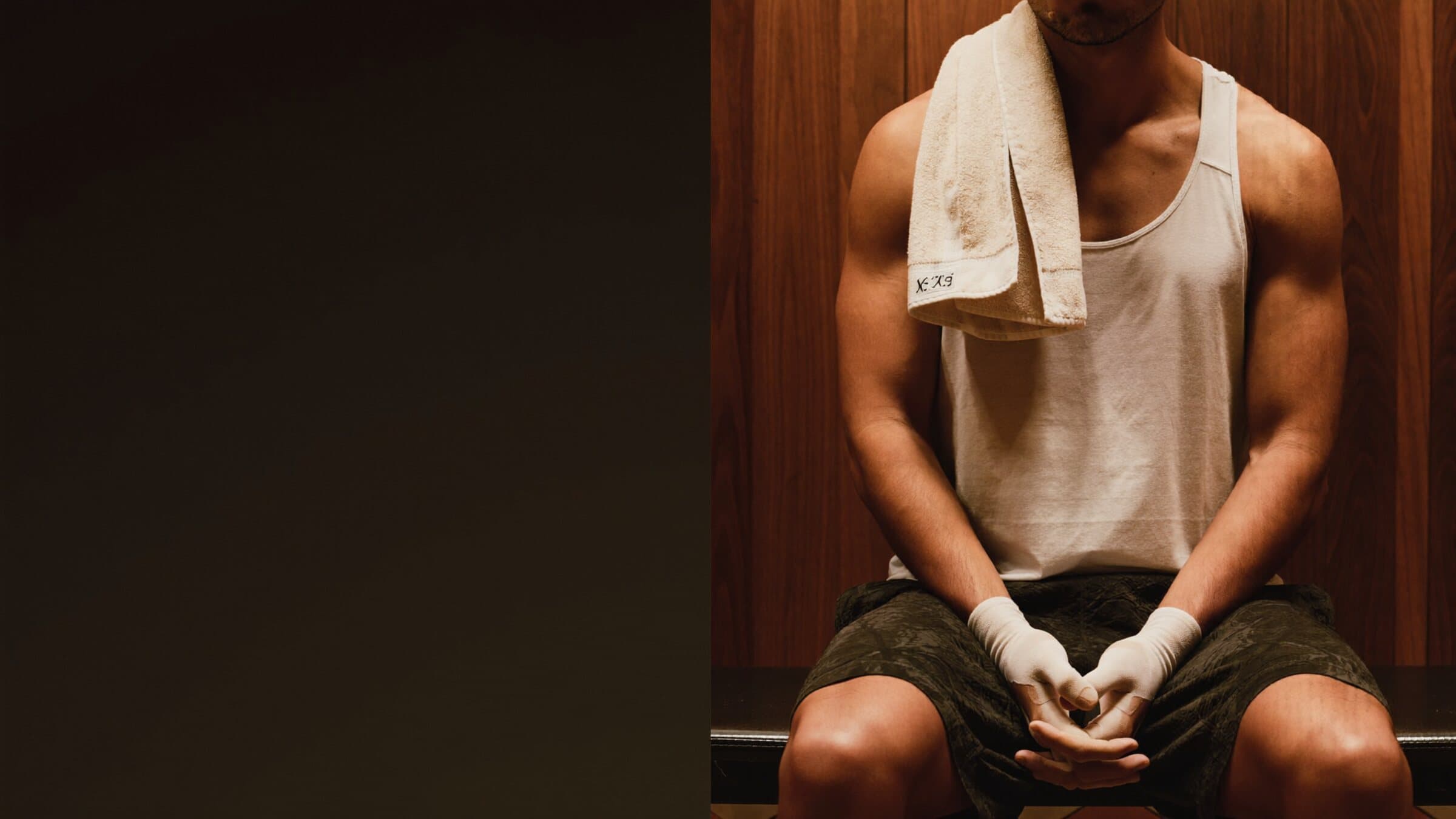
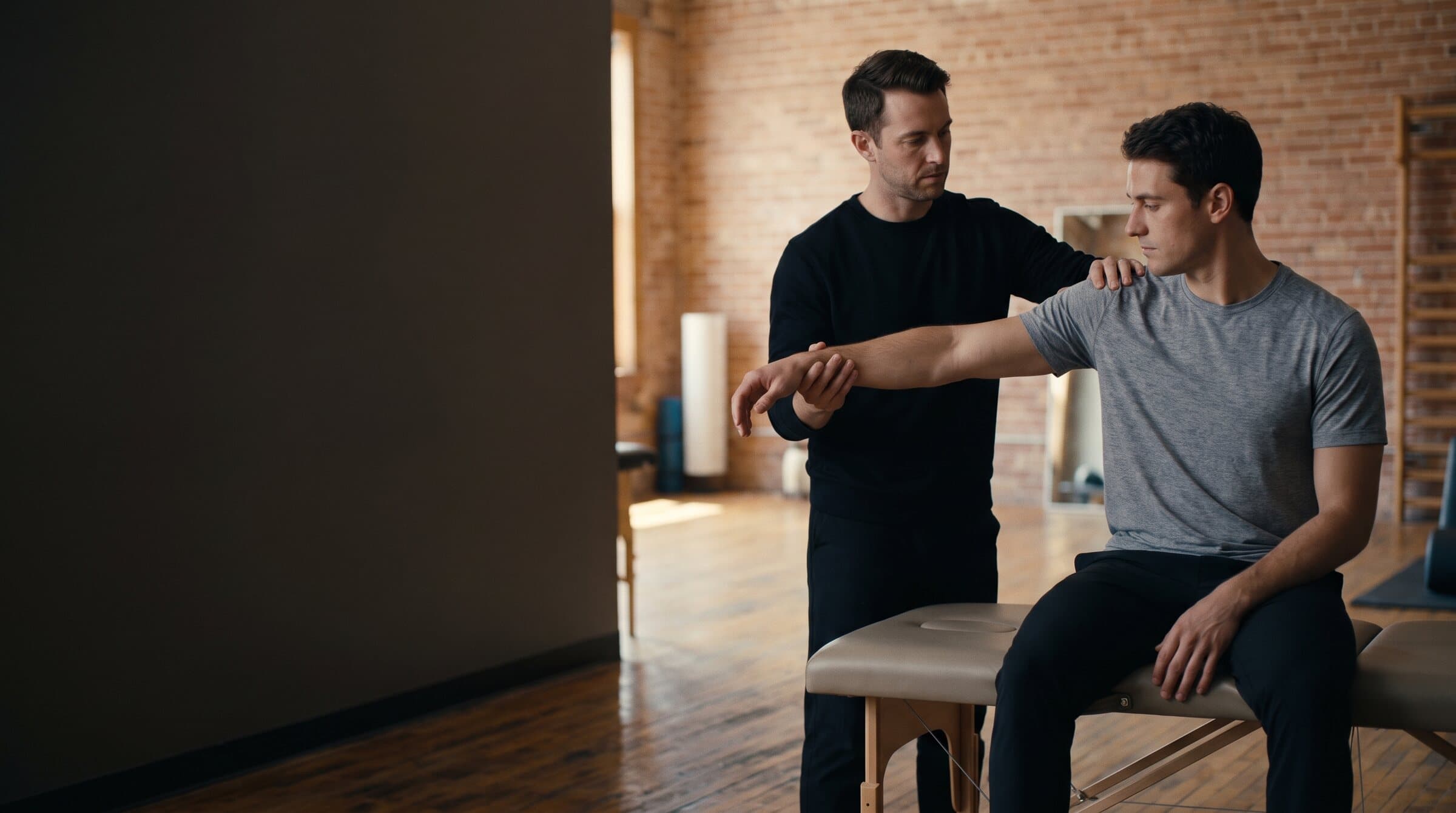
Strength athletes may be balancing training volume, local muscle soreness, mobility preferences, and the need to keep a predictable schedule. The strength and lifting pathways compare hands-on, equipment-led, and self-care questions without treating discomfort as a diagnosis. Consider whether you want practitioner involvement, an independent format, or a quieter recovery experience. New, severe, or function-limiting pain needs appropriate evaluation before you assume it is routine training soreness.
Hybrid fitness
Hybrid fitness combines different demands, so a single sport label reveals very little about what you need that day. HYROX and cross-training pathways help you think about running volume, strength work, event timing, travel, and recovery preferences together. Use them to compare options and prepare questions for the team. They do not establish that a modality increases readiness, shortens recovery, or protects you from injury, and they do not replace individualized coaching or medical advice.
Performance arts
Dancers, performers, and other performance artists often work around rehearsals, repeated shows, travel, and presentation demands. Their pathways emphasize schedule planning, comfort, privacy, and familiarity before important dates. Hands-on and equipment-based experiences may have different practical tradeoffs. Choose based on informed preference and relevant screening, not a claim that a service guarantees flexibility, pain relief, or performance. Concerning symptoms still belong with an appropriate healthcare professional.
Work and lifestyle audiences
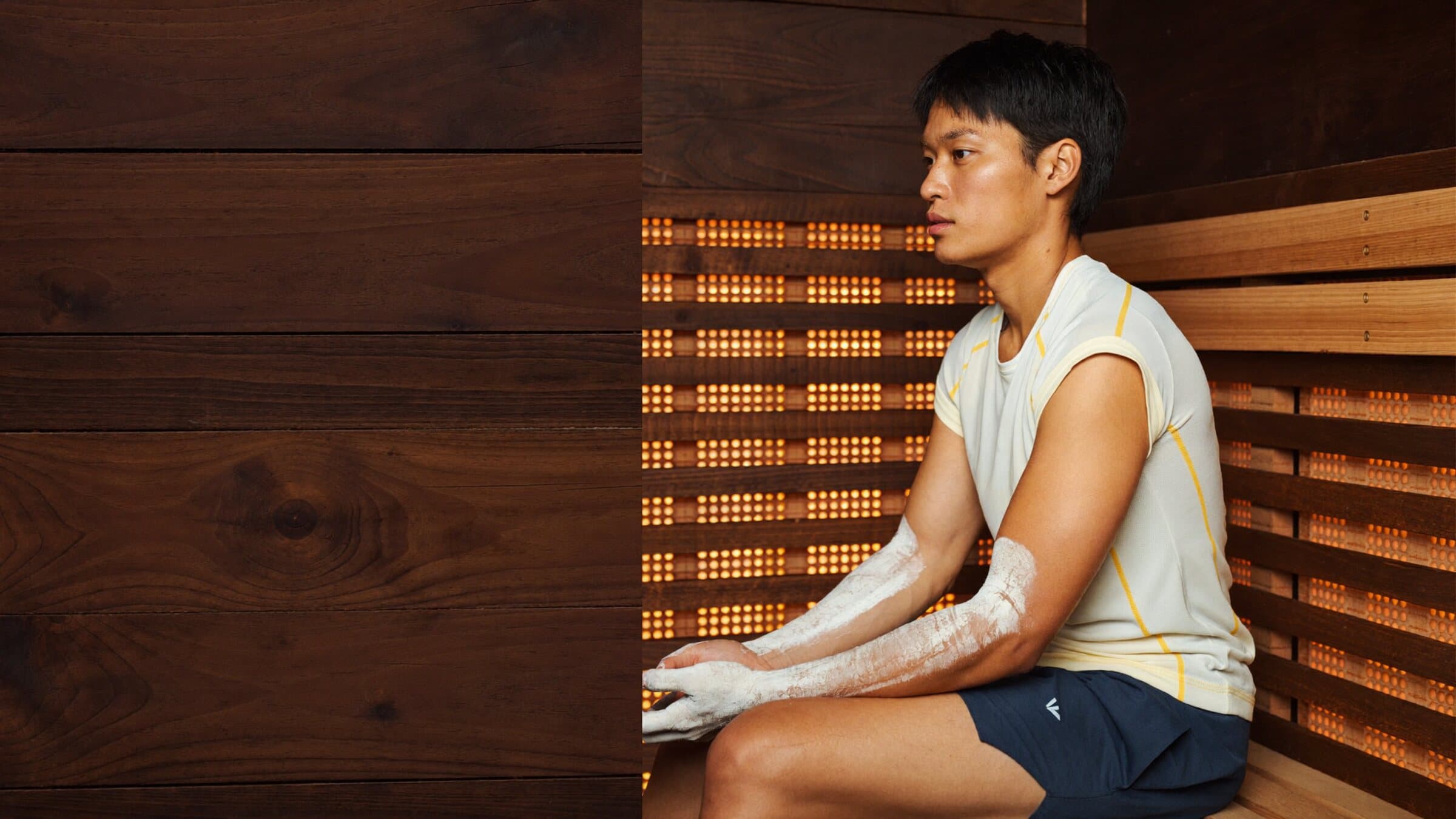
Recovery services are not reserved for competitors. Desk workers, frequent travelers, active parents, and people building a general wellness routine may value a clear pause, guided attention, or a format that fits a short window. Use the lifestyle guides to compare time, environment, comfort, and the amount of support you prefer. Those contexts can guide navigation, but they do not prove a health need. If you are seeking care for a condition or persistent symptom, begin with qualified medical guidance.
Use the hub without getting lost
- 1
For Recovery for Your Sport and Schedule, choose the pathway that matches the immediate task: understand the studio, compare options, plan a visit, review a policy, or contact the team.
- 2
Follow the named service, goal, audience, learning, or business path instead of relying on a broad promise.
- 3
Check live operating details in the booking or contact source whenever price, time, availability, access, or provider assignment matters.
- 4
Read the relevant safety, credential, and policy information before sharing personal information or completing a reservation.
- 5
Use the contact route for unresolved operating questions and an appropriate professional for legal, privacy, or medical questions outside the site's scope.
Keep the choice proportional to the evidence
A recovery studio is not emergency or diagnostic care. New, severe, worsening, or unexplained symptoms should be assessed by an appropriate health professional before a wellness booking. A website cannot diagnose a condition, clear someone for a service, or replace emergency or clinical care. New, severe, worsening, or unexplained symptoms, fainting, breathing difficulty, chest symptoms, major swelling, loss of function, or other urgent concerns should be routed to appropriate medical care instead of a recovery booking. For Recovery for Your Sport and Schedule, follow the current service-specific screening and stop guidance rather than relying on general information alone.
Follow the most relevant pathway
Return to Recovery Built for How New York Moves for the complete topic map.
Choose the pathway that matches the decision you are making:
- Recovery for Runners
- Recovery for HYROX Athletes
- Recovery for CrossFit Athletes
- Recovery for Lifters and Strength Athletes
- Recovery for Cyclists
- Recovery for Triathletes
- Recovery for Dancers
- Recovery for Court Sport Athletes
- Recovery for Office Workers
- Recovery for Weekend Warriors
Continue with Frequently Asked Questions, Pricing, Packages, and Memberships, or Book Your Recovery Session when that decision is closer to your situation.
For the service or selection path, review Choose Your Recovery.
For Recovery for Your Sport and Schedule, the right choice can change with the day. Compare the current experience, level of guidance, time, preparation, and what you intend to do next. Use the live booking or contact source for changing details, and do not treat general information as personal medical clearance.
Frequently asked questions
Yes. The runner pathway covers training-cycle questions, ordinary soreness, race-week planning, post-race considerations, and comparisons among hands-on and equipment-based formats. It provides a planning framework, not a claim that any listed service improves speed, prevents injury, or produces the same response for every runner.
Strength-athlete guidance considers training volume, soreness, mobility preferences, timing, and desired session format. You can compare massage, heat, cold, compression, and other experiences where relevant. Seek appropriate assessment for severe, sudden, worsening, or function-limiting symptoms rather than treating them as normal lifting soreness.
Start with the HYROX or hybrid-athlete pathway, then connect your current goal to event timing, running and strength demands, travel, and service preference. Compare familiar options before an event and review safety information. No general pathway can determine individual suitability or guarantee readiness.
No. The audience library includes people with desk-based work, travel demands, busy schedules, and general wellness interests, as well as competitors and performers. The best starting point is your actual goal, comfort, and time, not whether you identify as an athlete.
Desk workers can begin with the lifestyle recovery pathway, then compare hands-on sessions with heat, compression, guided breathing, or other formats based on preference. Persistent pain, numbness, weakness, or other concerning symptoms require appropriate clinical attention instead of a generic recovery recommendation.
Next step
For Recovery for Your Sport and Schedule, confirm the current service details, responsible provider, screening, and personal-fit questions before reserving. Use Choose Your Recovery for an operational question, and use an appropriate health professional for medical clearance or symptoms that need evaluation.
Sources and review basis
- Sports Massage(opens in a new tab)
First Party Web. Supports: The official sports massage page describes sports massage as a bookable service and mentions cupping, deep tissue, and myofascial release. Limits: Provider assignment, current price, and licensing require verification.
- Customer Language And Trust(opens in a new tab)
Third Party Reviews. Supports: Verified-patient reviews describe listening, runner context, individualized attention, and feeling rejuvenated. Limits: Republishing a review requires permission and compliant attribution.
- Recovery Mode NYC home page(opens in a new tab)
Recovery Mode. Supports: Current service taxonomy, Astoria address, testimonials, and booking path.
- Recovery Mode booking page(opens in a new tab)
Recovery Mode. Supports: Day pass, service, membership, package, and Acuity booking taxonomy.
- Massage Therapy: What You Need To Know(opens in a new tab)
National Center for Complementary and Integrative Health. Supports: Evidence limits, safety considerations, and questions to ask a massage practitioner.
- Cold water immersion risks(opens in a new tab)
American Heart Association. Supports: Cold shock, breathing, blood pressure, heart strain, and gradual acclimation cautions.