

Corporate Wellness in New York City
5 sections6 min read
The short answer
Recovery Mode considers corporate wellness inquiries for employee-focused recovery and education experiences in New York City. Employers should provide the workplace setting, employee audience, schedule, participation estimate, accessibility needs, privacy requirements, and program objective. Any workplace or facility-based format, service mix, staffing plan, and commercial proposal remains subject to operational and professional approval.
The program decision this page supports
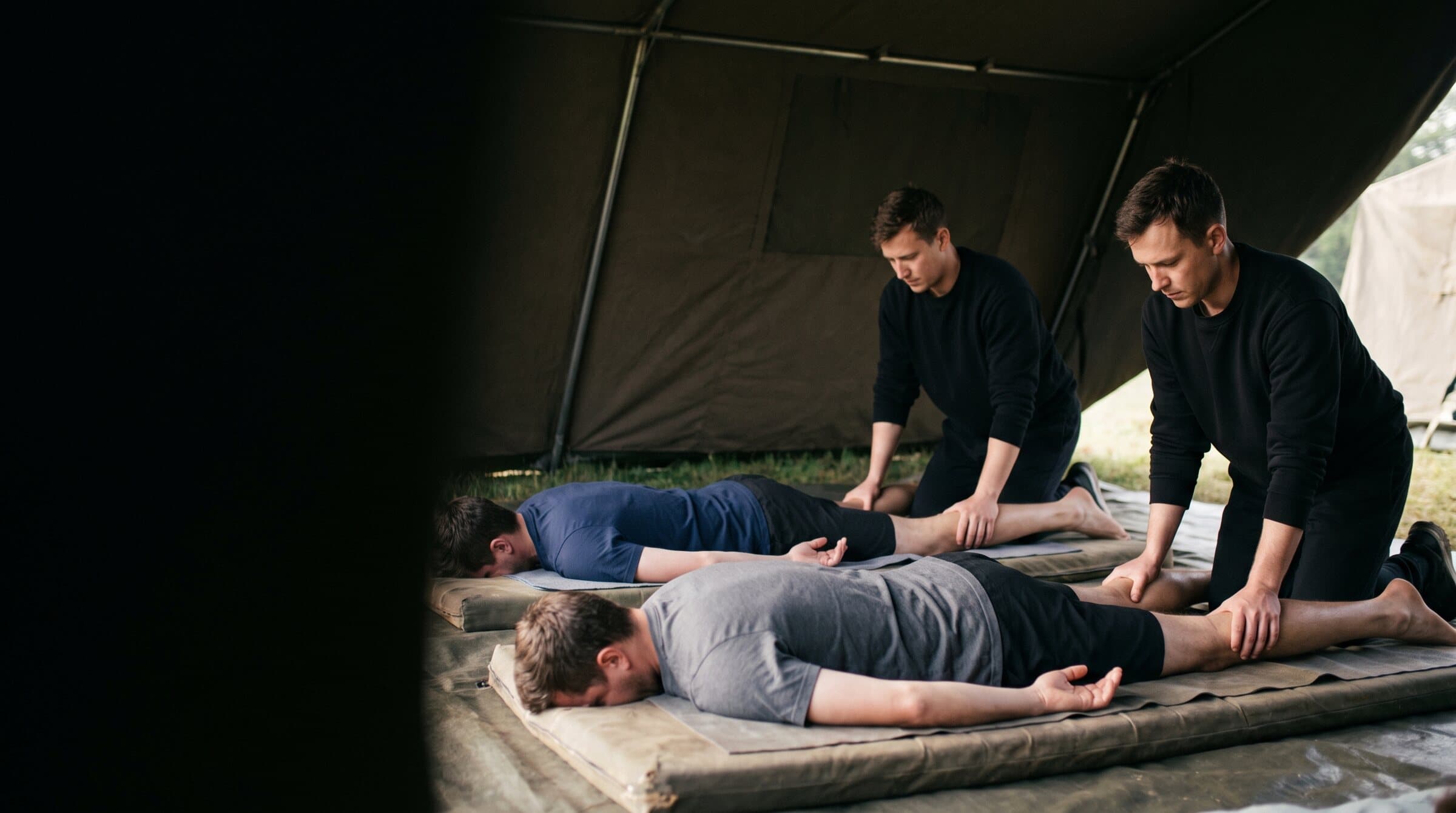
A useful corporate wellness program fits the workforce, workday, and physical setting instead of forcing every employee through the same experience. Start with the business purpose: a wellness day, a recurring employee benefit, a desk-team activation, an education session, or another defined need. Then explain where participation would occur, how employees would opt in, what privacy can be provided, and how the schedule interacts with shifts and meetings. Recovery Mode can evaluate on-site and facility-based concepts, but a specific modality, duration, capacity, or travel arrangement is not confirmed until reviewed. Employers should also plan for voluntary participation, accessible communications, appropriate consent, confidential handling of any health information, and a clear boundary between a wellness experience and medical care.
Planning inputs that change the scope
Currently represented corporate offer
Describe the corporate need in operational terms. Recovery Mode's current public materials support a corporate wellness inquiry pathway, but your request still needs a defined objective, audience, setting, and approval process. State whether you are planning a single activation, exploring a recurring format, or assessing an employee benefit. Include the work environment, employee roles, shift patterns, and any physical demands that shape participation. The review should connect the program to a real workforce need without promising treatment, productivity gains, reduced claims, or guaranteed employee outcomes.
Employee use cases
Identify who would use the program and how they would encounter it. Desk-based employees may value a different format from field, hospitality, production, or physically active teams. Share whether participation is during paid work time, across shifts, or attached to a larger event. Explain whether employees register in advance or approach during an open window. The program should be voluntary and communicated in plain language, with no pressure to disclose health details to a manager or participate as a condition of workplace standing.
On-site format options
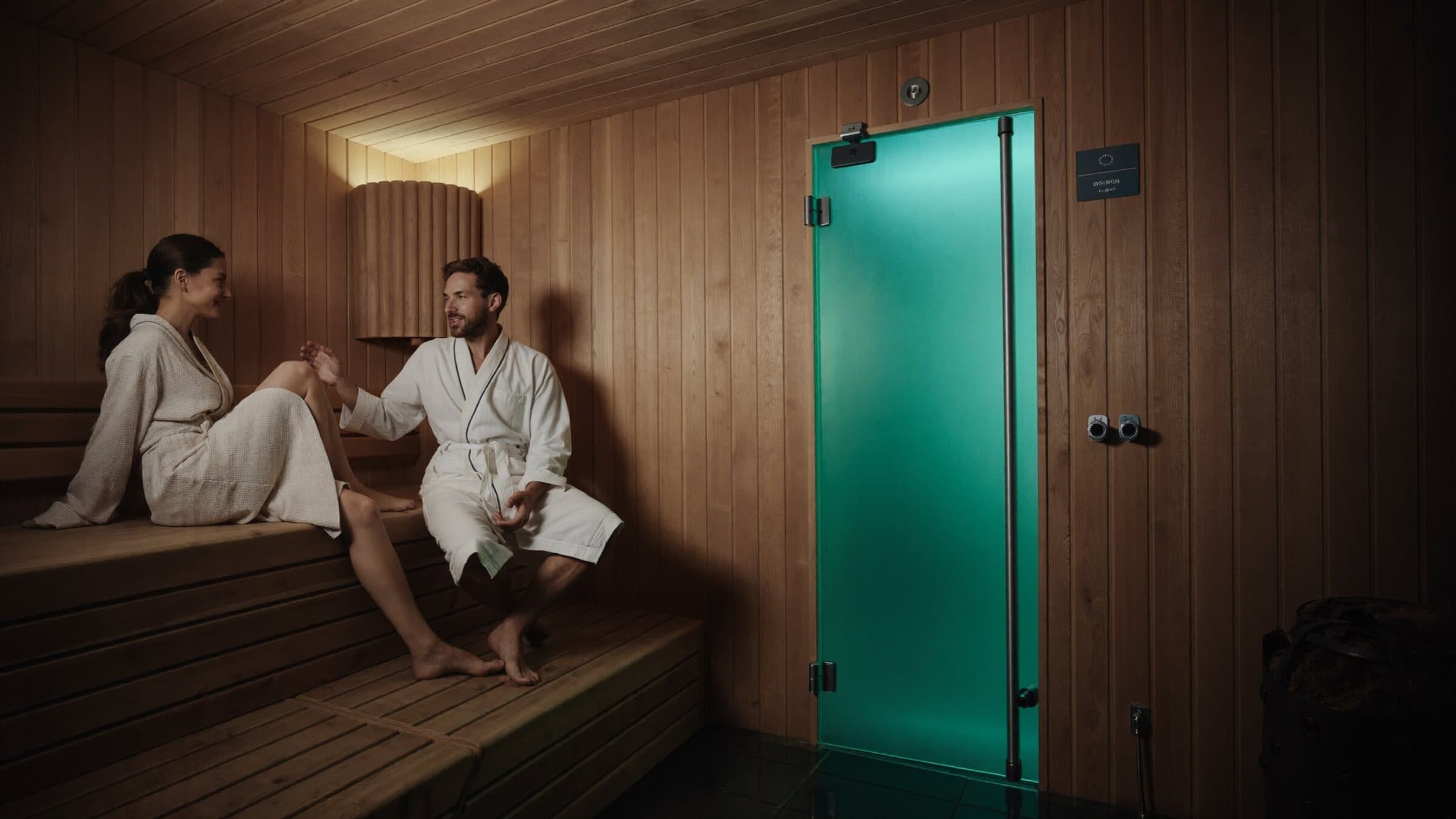
For an on-site concept, provide the workplace address, available room dimensions, privacy level, elevator or stair access, loading rules, utilities, security process, and accessibility requirements. Note any sound, fragrance, attire, photography, or sanitation policies. A separate area may be needed for screening or participant questions, depending on the approved format. Recovery Mode must confirm which experiences can be delivered in that environment. Do not announce a service menu, employee capacity, or appointment length until the operating plan has been reviewed.
Team size and scheduling
Supply a realistic employee count or range, operating window, shift schedule, break constraints, and expected arrival pattern. Throughput depends on the approved experience, screening steps, changeover needs, staffing, and room layout. If employees need private appointment times, explain how registration will be managed and who can access the schedule. Keep health responses away from employer-facing attendance reports unless a lawful, consented process says otherwise. Accessibility needs and language support should be raised during planning, not discovered on program day.
Proposal qualification
Request a proposal with one consolidated brief. Include the legal organization name, workplace or event location, target date range, employee estimate, objective, preferred format, budget parameters, procurement steps, insurance-document requests, accessibility needs, and decision deadline. Name the business owner for the project and any human resources, facilities, privacy, legal, or risk reviewers. Recovery Mode can use those inputs to assess fit and define next questions. Pricing, staffing, service availability, and terms remain unconfirmed until they appear in an approved written proposal.

Build a responsible program
- 1
For Corporate Wellness in New York City, define the audience, event setting, expected participation, venue limits, and organizer objective.
- 2
Choose only services that can be delivered safely and lawfully in that setting by appropriately credentialed people.
- 3
Design voluntary consent, privacy, accessibility, sanitation, power, water, and queue procedures before promoting the activation.
- 4
Set a run of show with staffing, arrival, setup, participant flow, stop criteria, and a weather or venue contingency.
- 5
Approve the final scope, claims, insurance requirements, data handling, and escalation contacts in writing.
Safety, consent, privacy, and escalation
A recovery studio is not emergency or diagnostic care. New, severe, worsening, or unexplained symptoms should be assessed by an appropriate health professional before a wellness booking. A website cannot diagnose a condition, clear someone for a service, or replace emergency or clinical care. New, severe, worsening, or unexplained symptoms, fainting, breathing difficulty, chest symptoms, major swelling, loss of function, or other urgent concerns should be routed to appropriate medical care instead of a recovery booking. For Corporate Wellness in New York City, follow the current service-specific screening and stop guidance rather than relying on general information alone.
Move from planning to an inquiry
Return to Recovery Partnerships for the complete topic map.
Choose the pathway that matches the decision you are making:
Continue with Recovery Brand Activations, On-Site Sports Event Recovery, or Recovery Partnerships for Gyms and Studios when that decision is closer to your situation.
For the service or selection path, review Contact Recovery Mode.
For Corporate Wellness in New York City, the right choice can change with the day. Compare the current experience, level of guidance, time, preparation, and what you intend to do next. Use the live booking or contact source for changing details, and do not treat general information as personal medical clearance.
Frequently asked questions
Recovery Mode publicly invites corporate wellness inquiries, but the final program menu is developed through review. A concept may involve employee recovery experiences or education, depending on the workplace, audience, staffing, professional scope, and current availability. Submit your objective before promoting specific services internally.
A workplace program can be considered. Send the address, available space, access and loading details, privacy conditions, utilities, accessibility requirements, security rules, participant estimate, and schedule. Recovery Mode must confirm that the requested format and any equipment are appropriate for the site before you announce it.
Customization begins with the workforce, job demands, objective, location, timetable, participation model, accessibility needs, and employer policies. Screening, consent, privacy, staffing, flow, and communications are then reviewed. The resulting scope should describe a practical employee experience without making medical, productivity, or performance guarantees.
Provide the total eligible population, realistic participation estimate, shift pattern, operating window, meeting or break constraints, and preferred registration method. Include any fixed event agenda. These details help determine whether appointments, timed groups, or another flow can be evaluated, without assuming capacity or session duration.
Submit a corporate wellness inquiry with your organization, decision maker, objective, employee estimate, location, preferred dates, budget parameters, accessibility needs, procurement process, and approval deadline. Recovery Mode can then ask targeted questions and prepare a scope if the request passes operational and professional review.
Next step
For Corporate Wellness in New York City, confirm the current service details, responsible provider, screening, and personal-fit questions before reserving. Use Contact Recovery Mode for an operational question, and use an appropriate health professional for medical clearance or symptoms that need evaluation.
Start an inquiry
Planning for a team, an event, or a workplace starts with a conversation about scope and logistics.
Sources and review basis
- Corporate Wellness(opens in a new tab)
First Party Web. Supports: The official site markets corporate wellness services. Limits: Capacity, staffing, service area, COI, logistics, and client proof are not published in sufficient detail.
- Health Claims(opens in a new tab)
Official Regulator. Supports: FTC health-marketing guidance requires truthful, non-misleading, adequately substantiated express and implied health claims. Limits: Service-specific evidence and qualified review remain necessary.
- Legal Entity And Service Boundary(opens in a new tab)
First Party Legal. Supports: Current terms identify Portable Physical Therapy P.C. doing business as Recovery Mode and state that website content is not diagnosis or emergency care. Limits: Terms need counsel review against actual service entities and booking flow.