

The Recovery Library
5 sections7 min read
The short answer
The Recovery Mode learning library helps you understand recovery formats, planning questions, evidence limits, and safety boundaries before considering a service. Begin with foundational guides, then move into hands-on, equipment-led, guided-practice, or comparison topics. These educational paths do not establish current service availability. Health-adjacent explanations remain separate from diagnosis, individualized medical advice, and guaranteed outcomes.
Explore from here
- What Is Sports Recovery?What sports recovery includes and where a beginner should start.
- Recovery FundamentalsWhich recovery basics deserve attention before adding services or devices.
- When Recovery Needs Medical CareWhether the next step is self-care, a clinician, urgent care, or 911.
- Breathwork Basics for RecoveryWhether to try a gentle breathing practice or seek a different form of support.
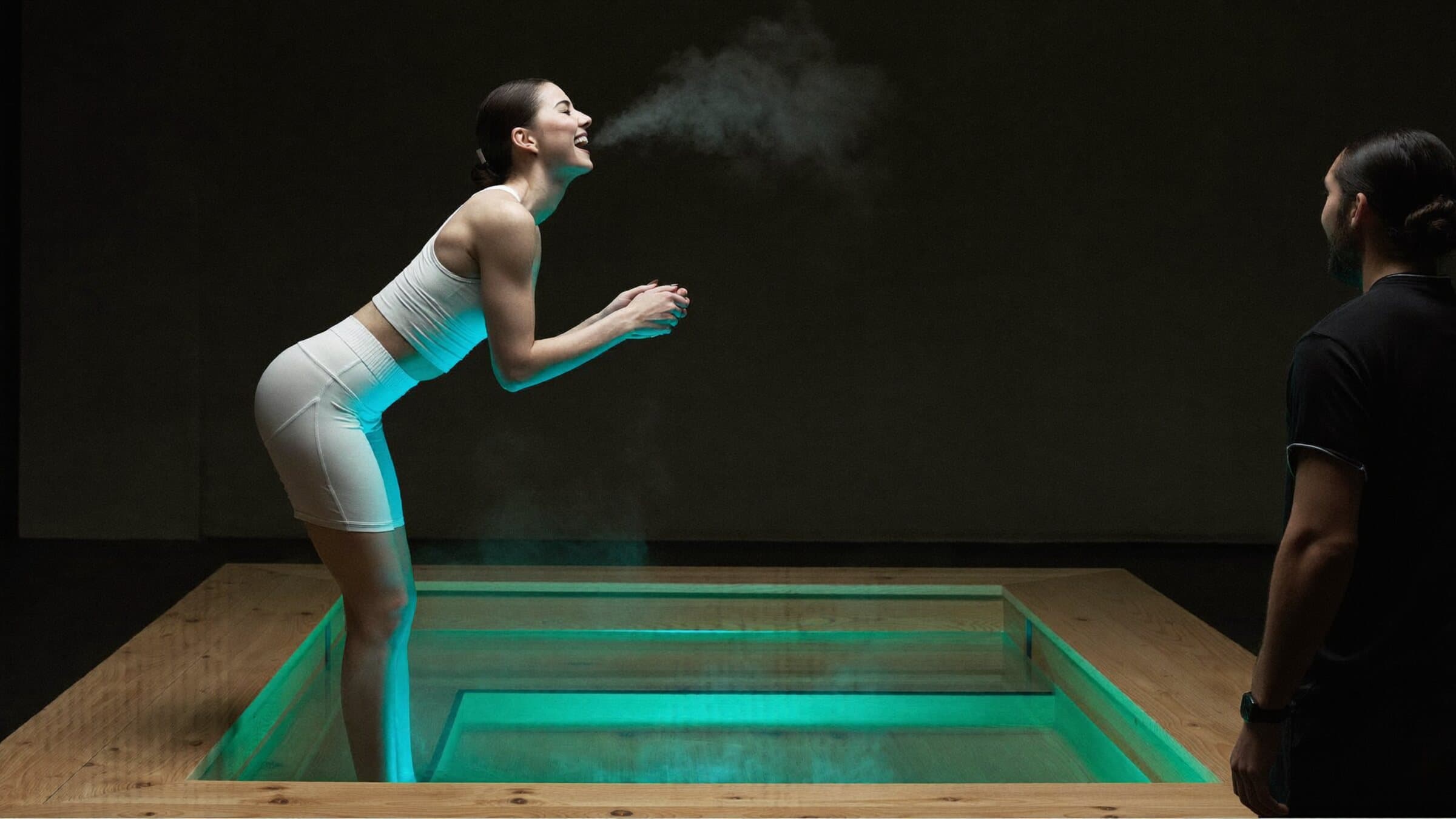
- Cold Exposure BasicsWhether a reader should proceed to beginner preparation, safety guidance, or medical advice.
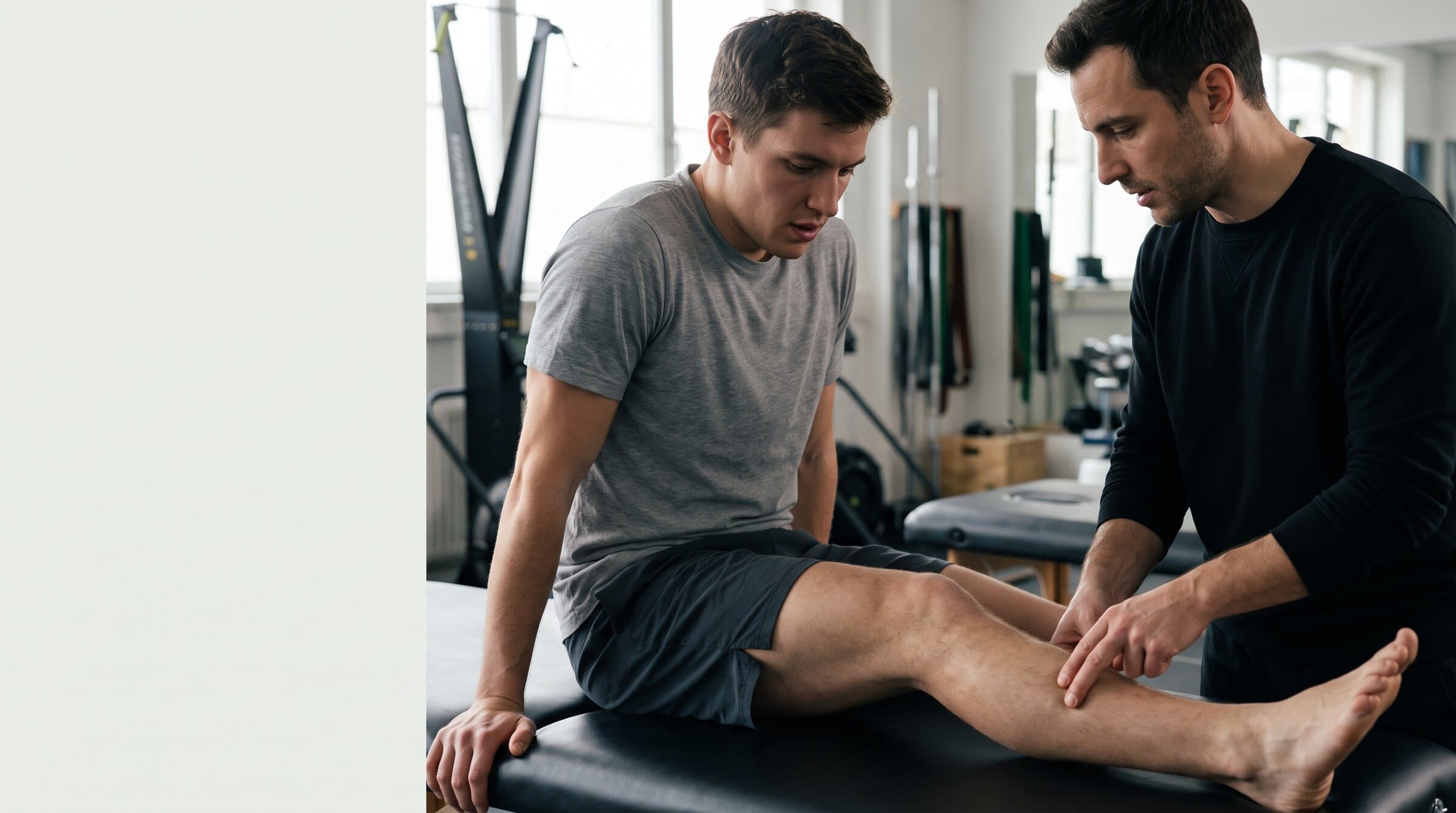
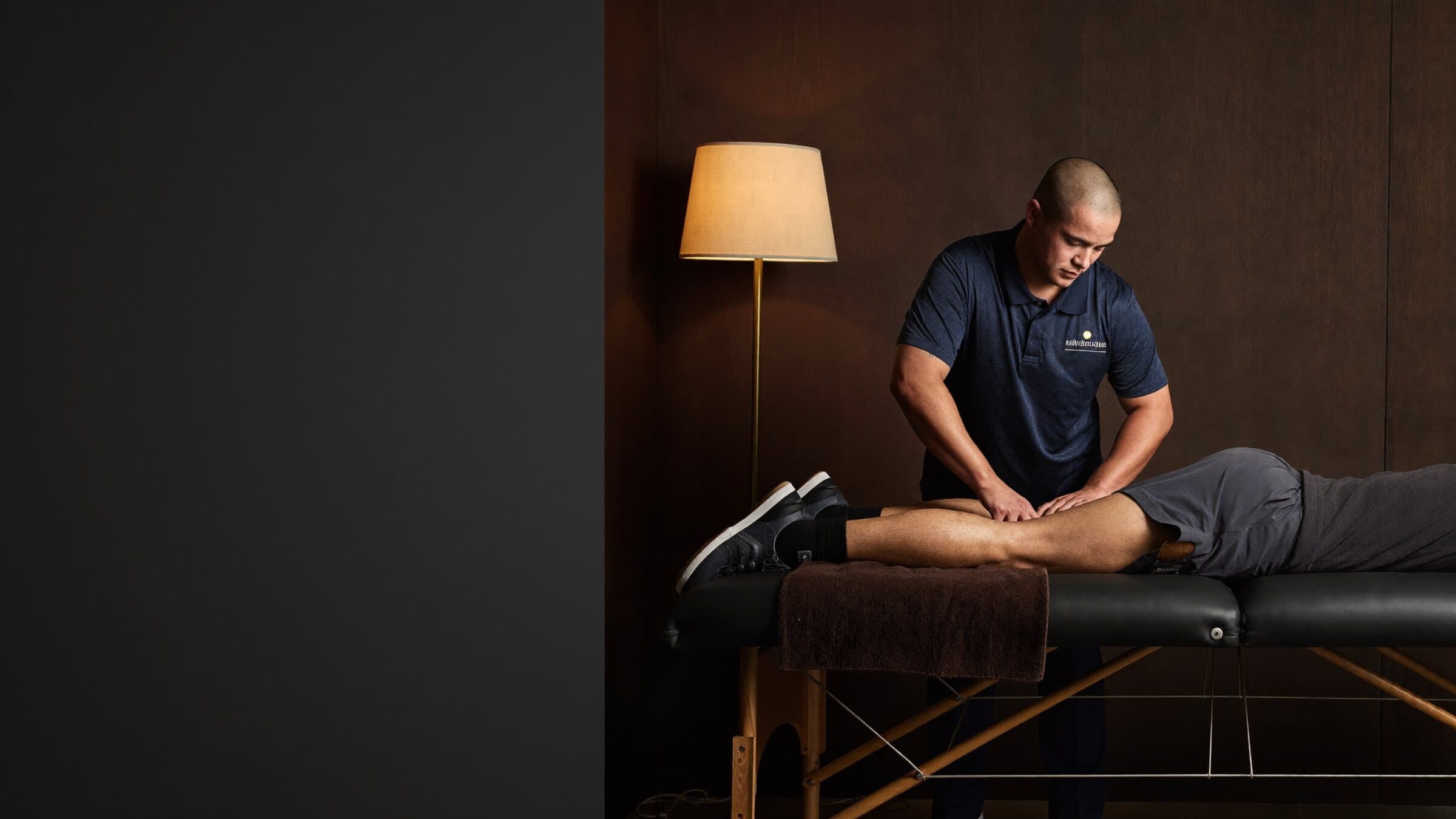
- When to Schedule Sports MassageWhich timing conversation to have before booking sports massage.
- Evidence and Editorial StandardsWhether readers and builders can trust the content-governance process.




Choose the right starting point
Good recovery education should make your next question clearer, not push you toward a predetermined purchase. This library organizes foundational concepts, modality explainers, evidence summaries, practical preparation, and safety resources into connected learning paths. You can start with a beginner guide, follow a topic that matches your interests, or compare two experiences that sound similar. Where a subject touches health or safety, claims remain proportional to the available evidence and link back to appropriate sources. Recovery Mode-specific service availability, devices, providers, and protocols require their own verification. Educational material can support an informed conversation, but it cannot diagnose an injury or replace advice from a qualified healthcare professional.

What this hub helps you explore
Topic taxonomy
The library is arranged around questions you can actually use. Foundational guides explain how to think about recovery goals, timing, comfort, and service format. Modality collections cover hands-on work, heat, cold, compression, guided breathing, and other publicly represented categories. Comparison guides help when names alone do not reveal meaningful differences. Safety and editorial resources explain how evidence is handled, which details belong to Recovery Mode operations, and when an outside clinical conversation is more appropriate.
Featured foundational guides
If you are new to recovery services, begin with a broad guide rather than selecting a modality from a dramatic claim. Learn how to describe your goal, distinguish general soreness from symptoms that deserve medical attention, and compare practitioner-led with self-directed formats. Then review the first-visit and safety pathways before making an inquiry. This sequence moves from context to questions without treating a wellness article as an individualized assessment or promising that a particular session will change an outcome.
Modality education
Modality education explains what people commonly mean by hands-on, heat, cold, compression, guided-practice, and related approaches. These resources are educational and do not establish that a corresponding Recovery Mode service is available. They identify general evidence boundaries and practical questions without supporting a local outcome claim. A general source cannot verify the facility's device, session protocol, assigned practitioner, or individual response. Ask the team when an important operational detail remains unconfirmed.
Safety resources
Safety resources sit alongside service education because comfort and suitability cannot be inferred from marketing language. General guidance covers screening prompts, potential concerns, your ability to pause or opt out, consent, and emergency boundaries. Service-specific rules depend on the current provider, equipment, and protocol. If you have a condition, symptom, medication question, pregnancy-related concern, recent procedure, or uncertainty about exposure, ask an appropriate clinician and the service provider before participating.
Editorial standards
The editorial standards guide explains how claims and sources shape the library. Regulatory guidance supports truthful, non-misleading, adequately substantiated health information, while official health sources help define general evidence and safety boundaries. Search interest or social popularity does not establish scientific benefit or prove that a service is right for you. Look for dates, source links, and clear uncertainty notes, and expect guidance to change when operations, evidence, or professional recommendations materially change.

Use the hub without getting lost
- 1
For The Recovery Library, choose the pathway that matches the immediate task: understand the studio, compare options, plan a visit, review a policy, or contact the team.
- 2
Follow the named service, goal, audience, learning, or business path instead of relying on a broad promise.
- 3
Check live operating details in the booking or contact source whenever price, time, availability, access, or provider assignment matters.
- 4
Read the relevant safety, credential, and policy information before sharing personal information or completing a reservation.
- 5
Use the contact route for unresolved operating questions and an appropriate professional for legal, privacy, or medical questions outside the site's scope.
Keep the choice proportional to the evidence
A recovery studio is not emergency or diagnostic care. New, severe, worsening, or unexplained symptoms should be assessed by an appropriate health professional before a wellness booking. A website cannot diagnose a condition, clear someone for a service, or replace emergency or clinical care. New, severe, worsening, or unexplained symptoms, fainting, breathing difficulty, chest symptoms, major swelling, loss of function, or other urgent concerns should be routed to appropriate medical care instead of a recovery booking. For The Recovery Library, follow the current service-specific screening and stop guidance rather than relying on general information alone.
Follow the most relevant pathway
Return to Recovery Built for How New York Moves for the complete topic map.
Choose the pathway that matches the decision you are making:
- What Is Sports Recovery?
- Recovery Fundamentals
- When Recovery Needs Medical Care
- Breathwork Basics for Recovery
- Cold Exposure Basics
- When to Schedule Sports Massage
- Evidence and Editorial Standards
Continue with Recovery Safety and Screening, Plan Your First Visit, or Frequently Asked Questions when that decision is closer to your situation.
For the service or selection path, review Choose Your Recovery.
For The Recovery Library, the right choice can change with the day. Compare the current experience, level of guidance, time, preparation, and what you intend to do next. Use the live booking or contact source for changing details, and do not treat general information as personal medical clearance.
Frequently asked questions
Begin with a foundational guide about choosing recovery by goal, format, and timing. Then use the service comparison and safety pathways to narrow your questions. This gives you context before you encounter modality-specific claims and helps keep general education separate from an individualized medical decision.
The massage collection includes a sports massage overview, technique explainers, evidence boundaries, preparation topics, and comparisons with other formats. Recovery Mode's public materials describe sports massage, but current price, provider assignment, availability, and precise session details still require confirmation through an inquiry.
Use the heat and cold topic collections for general education and comparisons. These guides discuss concepts and risks without assuming a specific device, local protocol, or currently available service. If Recovery Mode's public materials mention a related category, read its inquiry notice and ask for current screening information before deciding whether to proceed.
Health-related statements are tied to suitable sources, written with evidence-proportional language, and separated from Recovery Mode-specific operating details. Unresolved clinical questions are identified instead of answered through assumption. The library does not turn general research into a promise that a service will diagnose, treat, prevent, or cure a condition.
Start with the main Safety hub, then follow links to topic-specific resources for massage, temperature exposure, guided practices, and other reviewed subjects. If your concern involves symptoms, medications, a health condition, pregnancy, a recent procedure, or an emergency, consult the appropriate qualified professional or emergency service.
Next step
For The Recovery Library, confirm the current service details, responsible provider, screening, and personal-fit questions before reserving. Use Choose Your Recovery for an operational question, and use an appropriate health professional for medical clearance or symptoms that need evaluation.
Sources and review basis
- Health Claims(opens in a new tab)
Official Regulator. Supports: FTC health-marketing guidance requires truthful, non-misleading, adequately substantiated express and implied health claims. Limits: Service-specific evidence and qualified review remain necessary.
- Massage Evidence And Safety(opens in a new tab)
Official Health Source. Supports: Massage evidence and safety language should remain qualified and avoid guaranteed outcomes. Limits: Does not substantiate a Recovery Mode outcome claim.
- Cold Exposure Safety(opens in a new tab)
Official Health Source. Supports: Cold exposure can create injury and acute physiological risk, so service-specific screening and use guidance are required. Limits: Exact device and protocol require service-specific review.
- Breathwork Boundaries(opens in a new tab)
Official Health Source. Supports: Relaxation and breath practices should use cautious, non-treatment language and preserve opt-out. Limits: Does not certify Recovery Mode's protocol or instructor.
- Recovery Mode NYC home page(opens in a new tab)
Recovery Mode. Supports: Current service taxonomy, Astoria address, testimonials, and booking path.
- Recovery Mode booking page(opens in a new tab)
Recovery Mode. Supports: Day pass, service, membership, package, and Acuity booking taxonomy.
- Massage Therapy: What You Need To Know(opens in a new tab)
National Center for Complementary and Integrative Health. Supports: Evidence limits, safety considerations, and questions to ask a massage practitioner.
- Cold water immersion risks(opens in a new tab)
American Heart Association. Supports: Cold shock, breathing, blood pressure, heart strain, and gradual acclimation cautions.