

Plan Recovery After Race Day
5 sections7 min read
The short answer
Post-race recovery begins with a safe finish-area transition, fluids and food according to your plan, dry clothing, and rest. Gauge tenderness before adding compression, massage, heat, or cold. A gentle familiar option may fit later, but severe, focal, worsening, or systemic symptoms need medical evaluation rather than a routine recovery session.
The decision this page helps you make
Crossing the finish line does not create an immediate requirement for multiple recovery services. First let heart rate, temperature, and balance settle, follow event guidance, and address food, fluids, clothing, and transportation. Later choices depend on distance, weather, how hard you raced, and whether the legs are broadly tired or unusually painful. Use a staged plan so that the excitement of finishing does not override important symptom checks. Use the five checkpoints below in order: identify the load, cover the basics, choose only the support that fits, work backward from your calendar, and stop when symptoms fall outside ordinary training fatigue. This is a decision framework, not a diagnosis or a promise that any service will change performance or recovery speed.

What matters before you choose
Immediate post-finish basics
Keep moving gently only as directed and comfortable, then reach a stable place to sit, change wet clothing, and follow your established fueling and hydration plan. In heat or cold, prioritize safe temperature management. Avoid making a service decision while dizzy, confused, intensely nauseated, or unable to walk normally. Write down what you did, how long it lasted, and how hard it felt before adding a recovery option. That context keeps the response proportional to the work. Keep the record accessible.
Tenderness and fatigue
Rate tenderness by area and by function. Broad muscle fatigue can be expected after a hard race, while a sharp focal pain, large side-to-side difference, significant swelling, or inability to bear weight changes the decision. Recheck after the immediate finish-line intensity has settled. Choose the simplest reasonable step first and reassess afterward. More inputs are not automatically better, especially when sleep, food, fluids, and reduced load need attention. Keep the plan proportionate.
Compression and massage options
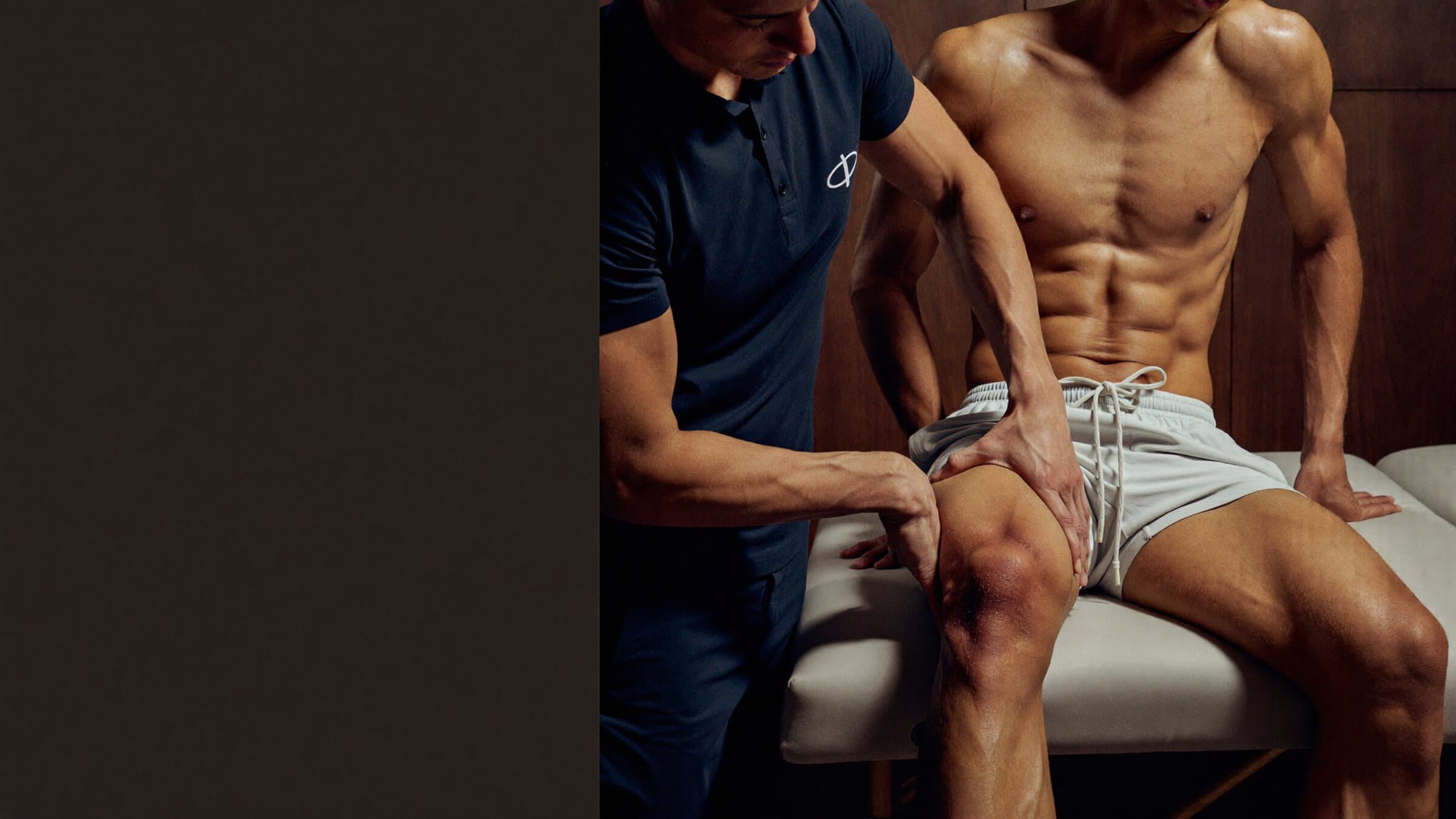
Compression may provide a quiet passive leg experience if screening is clear. Gentle massage may allow selected-area work and communication about tenderness. Delay or avoid either when contact or pressure feels wrong, symptoms are unclear, or you are still dealing with dehydration, dizziness, or acute medical concerns. Preference matters because a format you can settle into is more practical than one you tolerate reluctantly. Ask what the session involves before you book. Confirm those details directly.
Heat and cold tradeoffs
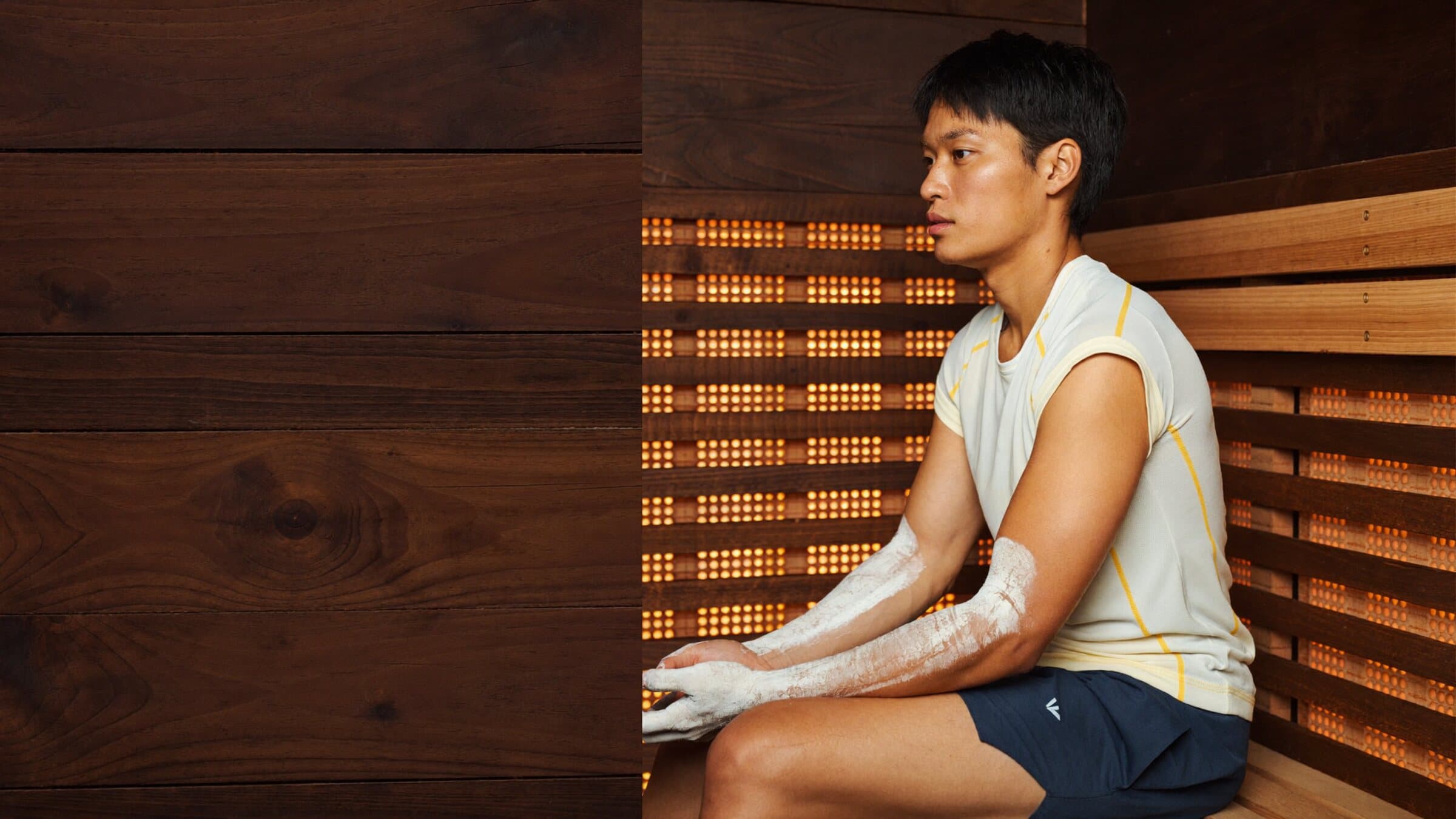
Heat may be inappropriate while overheated or inadequately hydrated. Cold has its own cardiovascular, neurologic, and tolerance considerations. Instead of reflexively alternating extremes, first normalize temperature and fluids, then consider a familiar option later if you meet screening requirements and understand the experience. Work backward from the next important workout, rehearsal, race, or workday. Leave enough margin to notice your response instead of experimenting immediately before it. Protect that next demand.
Medical red flags
Use event medical support or urgent care for collapse, confusion, chest pain, severe breathing difficulty, fainting, signs of heat illness, inability to keep fluids down, dark urine with profound weakness, or a limb you cannot use normally. Do not wait for a recovery appointment to evaluate an urgent pattern. New, sharp, worsening, or function-limiting symptoms change the decision. Pause routine recovery and seek appropriate clinical guidance when the pattern is concerning. Safety comes before routine.


A practical way to use this information
- 1
For Plan Recovery After Race Day, name the training, work, or competition demand that created the need. Include what happened, when it happened, and which areas feel most loaded.
- 2
Protect the basics first: sleep opportunity, ordinary food and fluid needs, and enough distance from another hard effort to make a sensible choice.
- 3
Choose the experience that best fits the day, such as hands-on work, a seated device-led option, heat, cold, guided breathing, easy movement, or complete rest.
- 4
Match intensity and timing to what comes next. A familiar low-disruption option may make more sense near competition than a new or aggressive experience.
- 5
Stop the recovery decision and seek appropriate care when symptoms are sudden, severe, worsening, unusual, or inconsistent with ordinary training fatigue.
Fit, limits, and when to choose another path
A recovery studio is not emergency or diagnostic care. New, severe, worsening, or unexplained symptoms should be assessed by an appropriate health professional before a wellness booking. A website cannot diagnose a condition, clear someone for a service, or replace emergency or clinical care. New, severe, worsening, or unexplained symptoms, fainting, breathing difficulty, chest symptoms, major swelling, loss of function, or other urgent concerns should be routed to appropriate medical care instead of a recovery booking. For Plan Recovery After Race Day, follow the current service-specific screening and stop guidance rather than relying on general information alone.
Where this fits in the Recovery Mode system
Return to Choose Recovery by Goal for the complete topic map.
Continue with Recovery After a Long Run, Plan Recovery Before Race Day, or Recovery Between Hard Training Days when that decision is closer to your situation.
For the service or selection path, review Choose Your Recovery.
For Plan Recovery After Race Day, the right choice can change with the day. Compare the current experience, level of guidance, time, preparation, and what you intend to do next. Use the live booking or contact source for changing details, and do not treat general information as personal medical clearance.
Other people and other weeks






Frequently asked questions
Follow finish-area instructions, keep movement gentle and safe, reach a stable place, change wet clothes, and use your established food and fluid plan. Let balance and temperature normalize before deciding on any optional service. Record that context before choosing an optional recovery service or changing tomorrow's activity.
Broad fatigue can be expected, but the key test is function and trend. Sharp focal pain, major asymmetry, increasing swelling, or inability to bear weight should not be treated as ordinary post-race tenderness. Use normal function and symptom trend to decide whether to continue or seek guidance.
Compression or gentle massage may fit later if you feel stable, pass screening, and understand the session. Avoid strong pressure on highly tender areas and do not use either option to bypass a possible injury. Confirm the session format, screening, and current availability before you book.
Heat fits only after you are no longer overheated and hydration is addressed. Cold requires separate screening and tolerance. A familiar later session is generally easier to plan than an immediate, intense temperature swing. Leave enough margin to observe your response before the next important demand.
Collapse, confusion, chest pain, fainting, severe breathing difficulty, persistent vomiting, signs of heat illness, profound weakness with dark urine, or loss of normal limb function needs prompt evaluation. When urgent symptoms are present, use prompt medical care instead of a recovery appointment.
Next step
For Plan Recovery After Race Day, confirm the current service details, responsible provider, screening, and personal-fit questions before reserving. Use Book Your Recovery Session for an operational question, and use an appropriate health professional for medical clearance or symptoms that need evaluation.
Reserve a session
Current durations, prices, providers, and availability live in the booking system, not on this page.
Booking is handled by Acuity Scheduling. Nothing on this page is medical advice or clearance to participate.
Sources and review basis
- Sports Massage(opens in a new tab)
First Party Web. Supports: The official sports massage page describes sports massage as a bookable service and mentions cupping, deep tissue, and myofascial release. Limits: Provider assignment, current price, and licensing require verification.
- Leg Compression(opens in a new tab)
First Party Web. Supports: The official site markets NormaTec leg compression as a bookable service. Limits: Exact device model, labeling, session length, and screening are unverified.
- Massage Evidence And Safety(opens in a new tab)
Official Health Source. Supports: Massage evidence and safety language should remain qualified and avoid guaranteed outcomes. Limits: Does not substantiate a Recovery Mode outcome claim.
- Cold Exposure Safety(opens in a new tab)
Official Health Source. Supports: Cold exposure can create injury and acute physiological risk, so service-specific screening and use guidance are required. Limits: Exact device and protocol require service-specific review.
- Medical Emergency Action(opens in a new tab)
Official Government Guidance. Supports: NYC311 directs people to call 911 for a medical or health-related emergency. Limits: Qualified review still owns the exact sitewide wording and placement.