
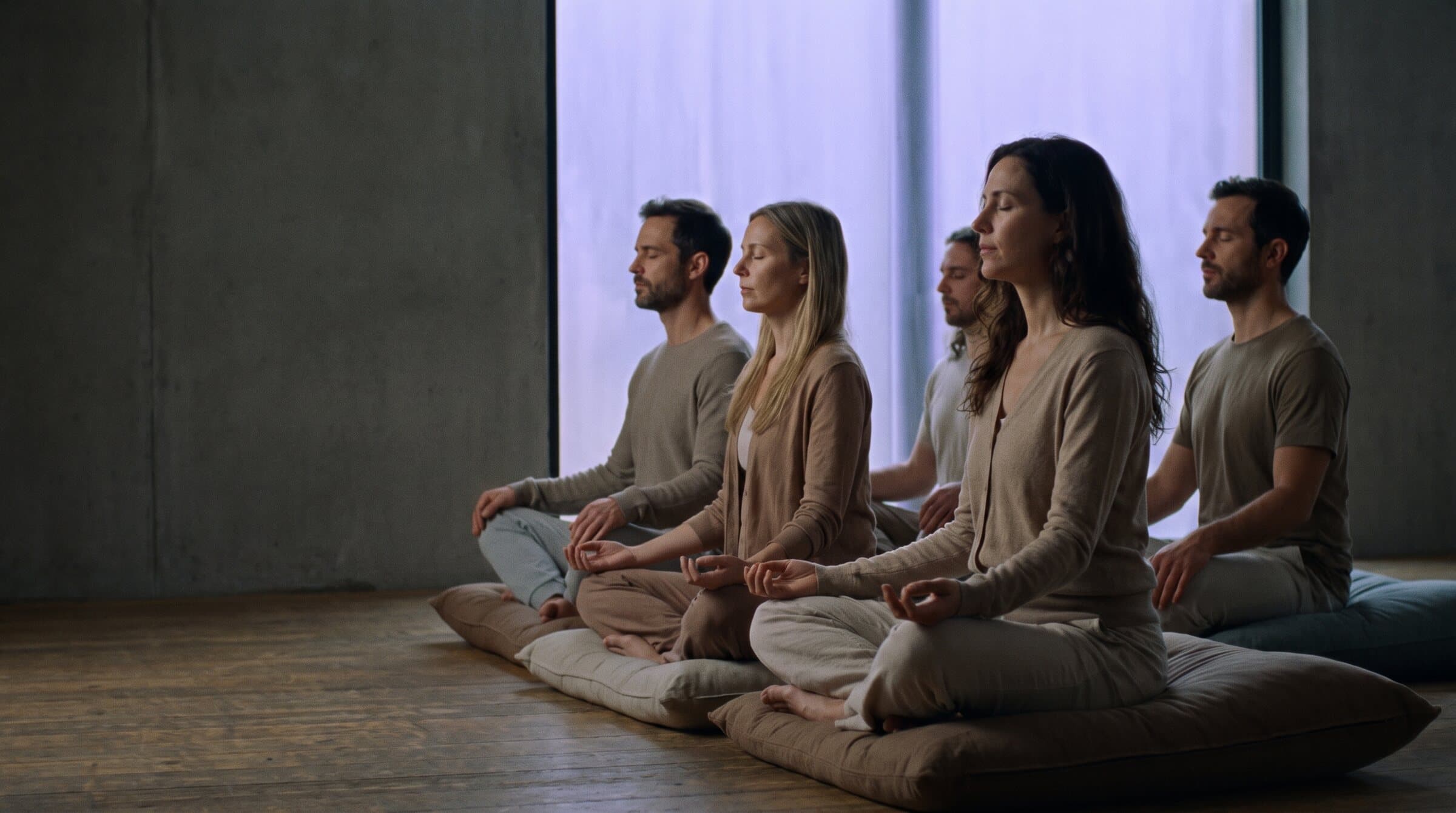
One-to-One Breathwork Coaching
5 sections7 min read
The short answer
Recovery Mode's public materials describe one-to-one breathwork coaching, but the current instructor assignment, credential, session protocol, consent, availability, and any cold-plunge relationship require confirmation. This option is inquiry-only. Never practice forceful breathing, hyperventilation, or breath retention in or near water, while driving, or anywhere a brief loss of consciousness could cause harm.
Decide whether this visit format fits
Breathwork can range from gentle paced breathing to more intense practices, so the exact method and safety controls matter. Recovery Mode publicly describes one-to-one coaching and references an instructor credential, but the current instructor assignment, credential status, session sequence, consent process, and relationship to cold plunge are not confirmed. Contact the team for current facts before relying on the listing. Some breathing practices may support relaxation or stress management for some people, but results vary and coaching is not treatment for a medical or mental health condition. Forceful breathing can cause lightheadedness and, rarely, loss of consciousness. It must be separated from water immersion and never practiced while driving.

What to understand before booking
One-to-one format
The current public description uses a one-to-one format, which suggests individualized conversation rather than a general class. Confirm that this format is still offered, where it occurs, whether anyone else is present, and how privacy is handled. One-to-one does not mean clinical care. The session should stay within the verified instructor's training, use clear consent, and avoid promises about sleep, digestion, trauma, anxiety, depression, respiratory disease, or other health outcomes.
Public instructor record requiring reconfirmation
No current instructor assignment or credential is confirmed. Public materials reference a Wim Hof Method credential, but the exact person, level, validity, permission to use the title, and relationship to Recovery Mode need verification. Ask for the instructor's full name, current credential source, training scope, and service assignment. If those facts cannot be confirmed, do not rely on the title or schedule a session based on it.
Session flow to confirm
The exact session flow is not verified. Ask whether the practice uses slow breathing, faster breathing, holds, movement, music, coaching conversation, or any other element. Ask what screening occurs, how intensity is adjusted, and how cold plunge is kept separate. Breath retention or hyperventilation must never occur in or near water. The protocol should also prohibit practice while driving or in another setting where fainting could cause injury.
Opt-out and pacing
You can decline an exercise, slow the pace, return to ordinary breathing, sit or lie down safely, or stop the session. Ask the instructor to explain expected sensations and warning signs before beginning. Dizziness, tingling, anxiety, or discomfort should not be framed as proof that a technique is working. If you feel unwell, stop and communicate. A coach should not pressure you to continue or use breath-hold targets as a measure of success.
Non-treatment language
Breathwork coaching is not diagnosis, psychotherapy, respiratory treatment, or emergency care. Some studies suggest certain breathing practices may modestly support stress management, but methods differ and results vary. Ask a qualified clinician if a health condition, pregnancy, medication, fainting history, panic response, or other concern could affect participation. Seek appropriate medical or mental health care for severe, persistent, new, or worsening symptoms rather than relying on coaching.

Plan the visit in five steps
- 1
For One-to-One Breathwork Coaching, match the service format to the visit you want: hands-on or equipment-led, guided or self-directed, active or still, warm or cold, targeted or broader.
- 2
Read the preparation and screening information before choosing a time. Ask about any health condition, medication, recent procedure, injury, or concern that could change suitability.
- 3
Confirm who is responsible for the session, what happens at check-in, how intensity is adjusted, and how to pause or stop.
- 4
Use the live approved source for current duration, provider, room setup, price, availability, and policy details.
- 5
Reserve only when the service identity and fit are clear. Use medical care, not a recovery booking, for urgent or unexplained symptoms.
Fit, limits, and reasons to pause
Breathing practices can change how a person feels during a session. The safest editorial posture is to avoid universal outcome claims, publish a clear stop process, and direct clinical questions to a qualified health professional. A website cannot diagnose a condition, clear someone for a service, or replace emergency or clinical care. New, severe, worsening, or unexplained symptoms, fainting, breathing difficulty, chest symptoms, major swelling, loss of function, or other urgent concerns should be routed to appropriate medical care instead of a recovery booking. For One-to-One Breathwork Coaching, follow the current service-specific screening and stop guidance rather than relying on general information alone. Forceful breathing and breath retention can cause lightheadedness and, rarely, loss of consciousness. Never practice forceful breathing or breath retention in or near water, while driving, or anywhere fainting could create danger. Do not combine hyperventilation or breath retention with a cold plunge.
Compare this service with the wider system
Return to Recovery Services in Astoria for the complete topic map.
Continue with Infrared Sauna in Astoria, Cold Plunge in Astoria, or Infrared Sauna and Cold Plunge when that decision is closer to your situation.
For the service or selection path, review Choose Your Recovery.
For One-to-One Breathwork Coaching, the right choice can change with the day. Compare the current experience, level of guidance, time, preparation, and what you intend to do next. Use the live booking or contact source for changing details, and do not treat general information as personal medical clearance.
The rest of the studio
- Hands-onSports Massage in Astoria, Queens
- Hands-onSports Acupuncture in Astoria
- HeatInfrared Sauna in Astoria
- ColdCold Plunge in Astoria
- ContrastInfrared Sauna and Cold Plunge
- PressureNormaTec Leg Compression in Astoria
- ColdLocalized Cryotherapy in Astoria
- BreathOxygen Boost Sessions
- IV Hydration Inquiry
- Recovery Day Pass in Astoria

Frequently asked questions
No current instructor assignment is confirmed. Public materials reference an instructor credential, but the person's assignment, credential status, level, and permission to use the title need confirmation. Ask Recovery Mode for the instructor's full name and current credential source.
Current materials describe one-to-one coaching, but privacy, location, and availability still require confirmation. Ask whether the session is private, who may be present, what information is collected, and how consent and communication are handled before scheduling.
The current protocol is not verified. Ask which breathing methods are used, how intensity is adjusted, what screening occurs, and whether any cold-plunge element is completely separate. Never practice hyperventilation or breath retention in or near water or while driving.
Yes. You may slow down, return to normal breathing, decline an exercise, pause, or stop. Tell the instructor about dizziness, anxiety, tingling, discomfort, or any concern. Sensations are not proof of benefit, and you should never be pressured to continue.
No. Breathwork coaching is not diagnosis or treatment for anxiety, depression, trauma, respiratory disease, or another condition. Some practices may support relaxation or stress management for some people, but results vary. Personal health concerns belong with an appropriate qualified clinician.
Next step
For One-to-One Breathwork Coaching, confirm the current service details, responsible provider, screening, and personal-fit questions before reserving. Use Book Your Recovery Session for an operational question, and use an appropriate health professional for medical clearance or symptoms that need evaluation.
Reserve a session
Current durations, prices, providers, and availability live in the booking system, not on this page.
Booking is handled by Acuity Scheduling. Nothing on this page is medical advice or clearance to participate.
Sources and review basis
- Breathwork(opens in a new tab)
First Party Web. Supports: The official site markets one-to-one breathwork coaching and names a Certified Wim Hof Instructor on the team page. Limits: Instructor certification, session protocol, exclusions, and consent need confirmation.
- Provider Credential(opens in a new tab)
Credential Issuer Directory. Supports: A public Wim Hof Method directory record lists Michael Rodriguez as a Fundamentals Instructor. Current standing, the Recovery Mode relationship, session protocol, consent, and service assignment require reconfirmation.
- Breathwork Boundaries(opens in a new tab)
Official Health Source. Supports: Relaxation and breath practices should use cautious, non-treatment language and preserve opt-out. Limits: Does not certify Recovery Mode's protocol or instructor.
- Health Claims(opens in a new tab)
Official Regulator. Supports: FTC health-marketing guidance requires truthful, non-misleading, adequately substantiated express and implied health claims. Limits: Service-specific evidence and qualified review remain necessary.
- Recovery Mode one-to-one breathwork page(opens in a new tab)
Recovery Mode. Supports: One-to-one breathwork and a certified Wim Hof Method instructor are represented on the current page.
- Meditation and mindfulness: effectiveness and safety(opens in a new tab)
National Center for Complementary and Integrative Health. Supports: Evidence limits and safety context for guided mind and body practices.
- Wim Hof Method safety guidance(opens in a new tab)
Wim Hof Method. Supports: Forceful breathing and breath retention can cause loss of consciousness and must not be practiced in or near water, while driving, or in another setting where fainting creates danger.