
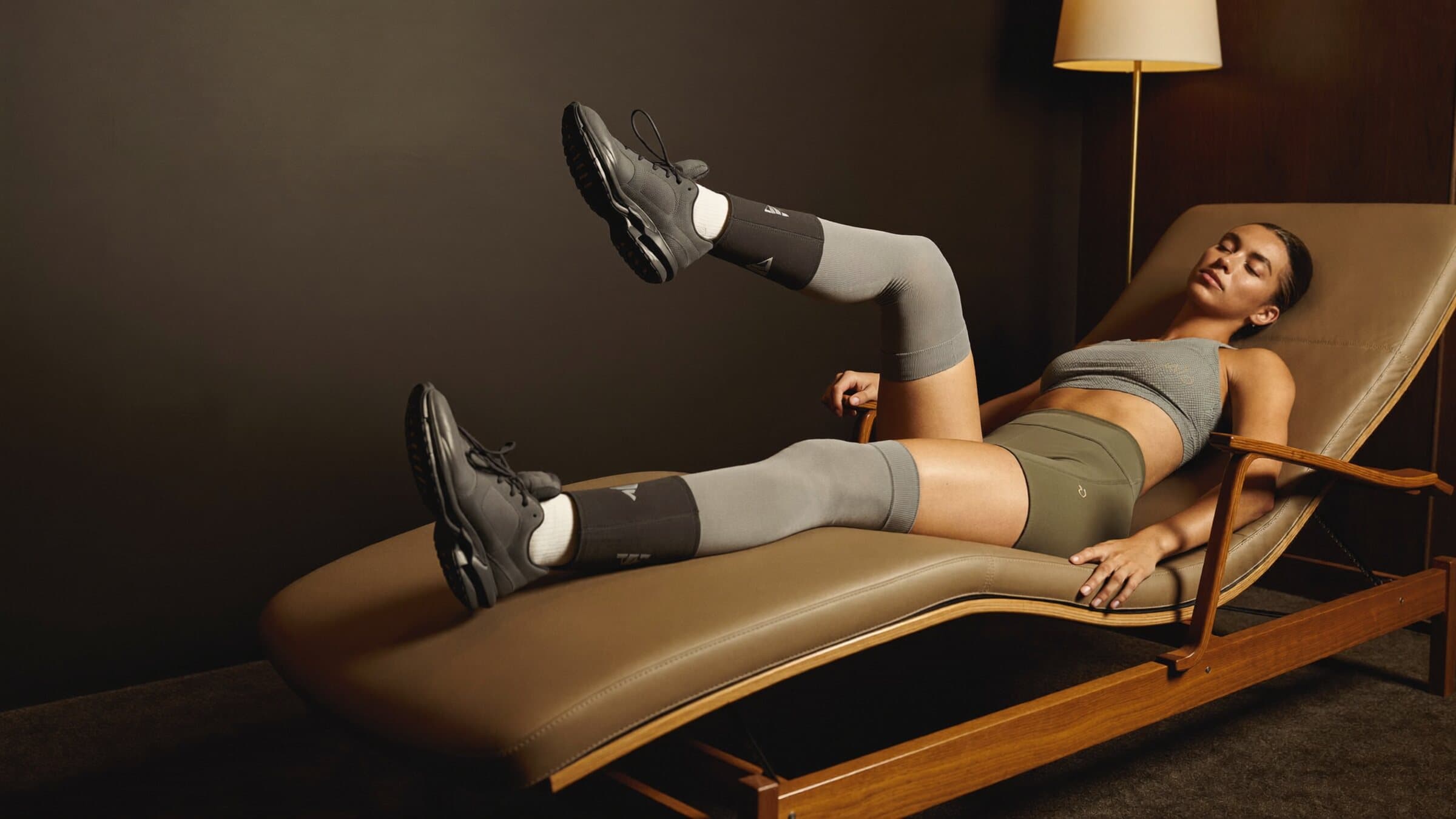
Compression Boots Before or After a Workout?
5 sections6 min read
The short answer
Compression boots can be used before or after training when the verified device instructions allow it, but the goals differ. Pre-workout use may be a brief comfort or routine choice; post-workout use often centers on relaxation or perceived recovery. Model, fit, pressure, duration, health screening, and stop cues control both decisions.
The decision this page helps you make
Timing does not convert compression boots into a guaranteed performance tool. Before exercise, some people use a conservative cycle because they enjoy the pressure and transition. After exercise, others prefer the stillness or report lighter-feeling legs. Evidence for objective recovery and performance outcomes remains mixed, and the actual result depends on the device, settings, activity, and person. Recovery Mode represents NormaTec leg compression, but the exact model and operating instructions need verification before you rely on any specific setting or duration. In either timing window, new one-sided swelling, calf pain, circulation concerns, recent surgery, acute injury, skin problems, numbness, or other contraindications require screening or medical guidance.

What matters before you choose
Pre-workout use case
Before training, compression may serve as a low-effort transition or comfort routine when permitted by the verified device labeling. It should not leave the limb numb, painful, cold, discolored, or less coordinated. Preserve enough time to remove the sleeves, stand safely, and complete an activity-specific warm-up. A pleasant cycle does not replace movement preparation or prove improved circulation and performance. You should remain able to communicate, stop the cycle, and have the sleeve removed promptly throughout the session.
Post-workout use case
After training, compression boots are often chosen for stillness, cyclical pressure, or perceived recovery. Those experiences can be valuable to an individual without proving faster tissue repair or better next-day performance. First address acute injury signs, hydration, heat, and medical stability. Do not place pressure over a newly injured, significantly swollen, infected, or unexplained area simply because the workout has ended. Research findings should name the measured outcome instead of blending comfort, circulation, healing, and performance into one promise.
Pressure and duration variability
Pressure and duration must follow the instructions for the exact verified model and reflect sleeve fit, body area, user response, and staff oversight. Do not import settings from another device or treat a universal session length as a personal target. You should be able to communicate and stop at any time. More pressure and longer cycles are not inherently more effective and can increase discomfort or risk. The exact model, sleeve, fit, pressure, and manufacturer instructions must control the session instead of a generic device routine.
Lower-body training context
Lower-body training, endurance events, travel, or prolonged standing may create a clear preference for a leg-focused experience, but they can also create symptoms that require evaluation. One-sided calf pain, unusual warmth or redness, major swelling, or unexplained shortness of breath is not a routine post-leg-day use case. Compression should never delay assessment of a possible clot or other medical problem. Settings from another model or another person's routine should not be transferred without device-specific verification.
Safety checks
Ask about circulation disease, clot history, recent surgery, acute injury, infection, open skin, altered sensation, significant swelling, and model-specific contraindications before use. Stop for pain, numbness, tingling, weakness, unusual temperature or color, dizziness, or worsening symptoms. Chest symptoms, severe breathing difficulty, fainting, or another medical emergency requires 911 rather than a device session. Individual reports of lighter-feeling legs cannot substitute for clinical evidence or model-specific contraindication screening.


A practical way to use this information
- 1
For Compression Boots Before or After a Workout?, start with the plain-language definition and separate the topic from adjacent terms that are often used interchangeably.
- 2
Apply the idea to the activity that came before and the demand that comes next instead of copying a universal protocol.
- 3
Use the evidence section to distinguish supported findings, mixed findings, practical experience, and unanswered questions.
- 4
If a service is relevant, review its preparation, supervision, stop process, and current operating details before booking.
- 5
Use a qualified professional for diagnosis, medical clearance, persistent symptoms, medication questions, or a concern outside a wellness studio's scope.
Fit, limits, and when to choose another path
Pneumatic compression is not appropriate for every person or situation. Follow approved screening and stop guidance, and remember that research findings on exercise recovery are mixed and vary by outcome. A website cannot diagnose a condition, clear someone for a service, or replace emergency or clinical care. New, severe, worsening, or unexplained symptoms, fainting, breathing difficulty, chest symptoms, major swelling, loss of function, or other urgent concerns should be routed to appropriate medical care instead of a recovery booking. For Compression Boots Before or After a Workout?, follow the current service-specific screening and stop guidance rather than relying on general information alone.
Where this fits in the Recovery Mode system
Return to Evidence and Editorial Standards for the complete topic map.
Continue with What the Evidence Says About Cold-Water Immersion, What the Evidence Says About Compression Boots, or What the Evidence Says About Sports Massage when that decision is closer to your situation.
For the service or selection path, review Choose Your Recovery.
For Compression Boots Before or After a Workout?, the right choice can change with the day. Compare the current experience, level of guidance, time, preparation, and what you intend to do next. Use the live booking or contact source for changing details, and do not treat general information as personal medical clearance.
Frequently asked questions
Yes, when the verified device labeling, screening, fit, and pressure allow it. Pre-workout use is an optional comfort routine and does not replace an activity-specific warm-up or guarantee better performance. Pressure should feel controlled and tolerable, never like a test of how much compression a person can endure.
People often choose them after training for stillness, cyclical pressure, or a preferred recovery experience. Individual comfort reports are not proof of faster healing, improved circulation for everyone, or better next-day performance. New one-sided swelling or calf pain requires medical evaluation before external compression is treated as routine recovery.
Yes. Session length and pressure depend on the exact model, labeling, sleeve, body area, fit, and user response. Do not repeat another device's settings or assume longer and stronger is better. Fit and pressure should be checked again when swelling, clothing, positioning, or the intended body area changes.
Leg-intensive training and endurance events may create a preference for compression, but unusual calf pain, one-sided swelling, redness, warmth, or breathing symptoms require medical evaluation rather than a routine boot session. A sleeve placed over open skin, infection, acute trauma, or altered sensation may create avoidable risk without proper guidance.
Screen circulation and clot concerns, surgery, injury, infection, skin integrity, sensation, swelling, and device contraindications. Stop for pain, numbness, tingling, weakness, color or temperature change, dizziness, or worsening symptoms. Device clearance supports only verified labeled language and does not prove every circulation, recovery, or performance claim.
Next step
For Compression Boots Before or After a Workout?, confirm the current service details, responsible provider, screening, and personal-fit questions before reserving. Use Book Your Recovery Session for an operational question, and use an appropriate health professional for medical clearance or symptoms that need evaluation.
Reserve a session
Current durations, prices, providers, and availability live in the booking system, not on this page.
Booking is handled by Acuity Scheduling. Nothing on this page is medical advice or clearance to participate.
Sources and review basis
- Leg Compression(opens in a new tab)
First Party Web. Supports: The official site markets NormaTec leg compression as a bookable service. Limits: Exact device model, labeling, session length, and screening are unverified.
- Compression Device Claims(opens in a new tab)
Official Regulator. Supports: FDA clearance language for named NormaTec models supports narrow device wording and does not itself support broad recovery or performance promises. Limits: Actual device model and IFU are unverified.
- Health Claims(opens in a new tab)
Official Regulator. Supports: FTC health-marketing guidance requires truthful, non-misleading, adequately substantiated express and implied health claims. Limits: Service-specific evidence and qualified review remain necessary.
- Recovery Mode NormaTec compression page(opens in a new tab)
Recovery Mode. Supports: NormaTec leg compression is represented as a current service.
- Intermittent pneumatic compression and exercise recovery review(opens in a new tab)
PubMed. Supports: The evidence base is mixed and certainty varies for pneumatic compression and recovery outcomes.