
Preparing for Your First Cold Plunge
5 sections7 min read
The short answer
For a first cold plunge, complete health screening, confirm supervision and a secure exit, bring dry clothing, and avoid alcohol or forceful breathwork. Enter with control, keep your face above water, and focus on a normal exhale. You can leave immediately. Stop for chest symptoms, uncontrolled breathing, dizziness, confusion, numbness, or weakness.
The decision this page helps you make
A first plunge should teach you the environment and your response without turning discomfort into a contest. Before arriving, ask about the exact facility setup, staff supervision, screening, entry and exit, changing area, towels, footwear, privacy, cleaning, and rewarming plan. Do not invent a temperature or time target from someone else's video. Wear what the facility currently permits, bring dry layers and stable footwear, and arrive without obvious dehydration, illness, alcohol, or impairing substances. Never pair cold water with forceful breathing or breath retention. The goal is to remain able to breathe, think, communicate, and exit. If any of those abilities decline, the exposure ends.
What matters before you choose
Pre-session screening
Pre-session screening should address cardiovascular disease, uncontrolled blood pressure, rhythm concerns, fainting, circulation problems, significant respiratory or neurologic conditions, pregnancy, recent illness, cold injury, relevant medications, and substance use. A checklist cannot clear everyone. Ask a clinician when a condition may change cold response, and do not let a waiver substitute for reviewed exclusion criteria and competent supervision. A prior comfortable plunge can inform preparation without proving that a colder, longer, or unsupervised exposure is safe.
What to wear and bring
Bring a swimsuit or clothing permitted by the facility, a dry change of clothes, warm layers, and secure non-slip footwear. Confirm whether towels, lockers, showers, or other amenities actually exist rather than assuming. Remove obstacles from the exit path before entering. Jewelry, electronic devices, and loose items should not interfere with grip, movement, communication, or staff access if assistance becomes necessary. A supervised, non-slip setting with dry warmth available reduces the consequences if cold control deteriorates suddenly.
Entry and breathing
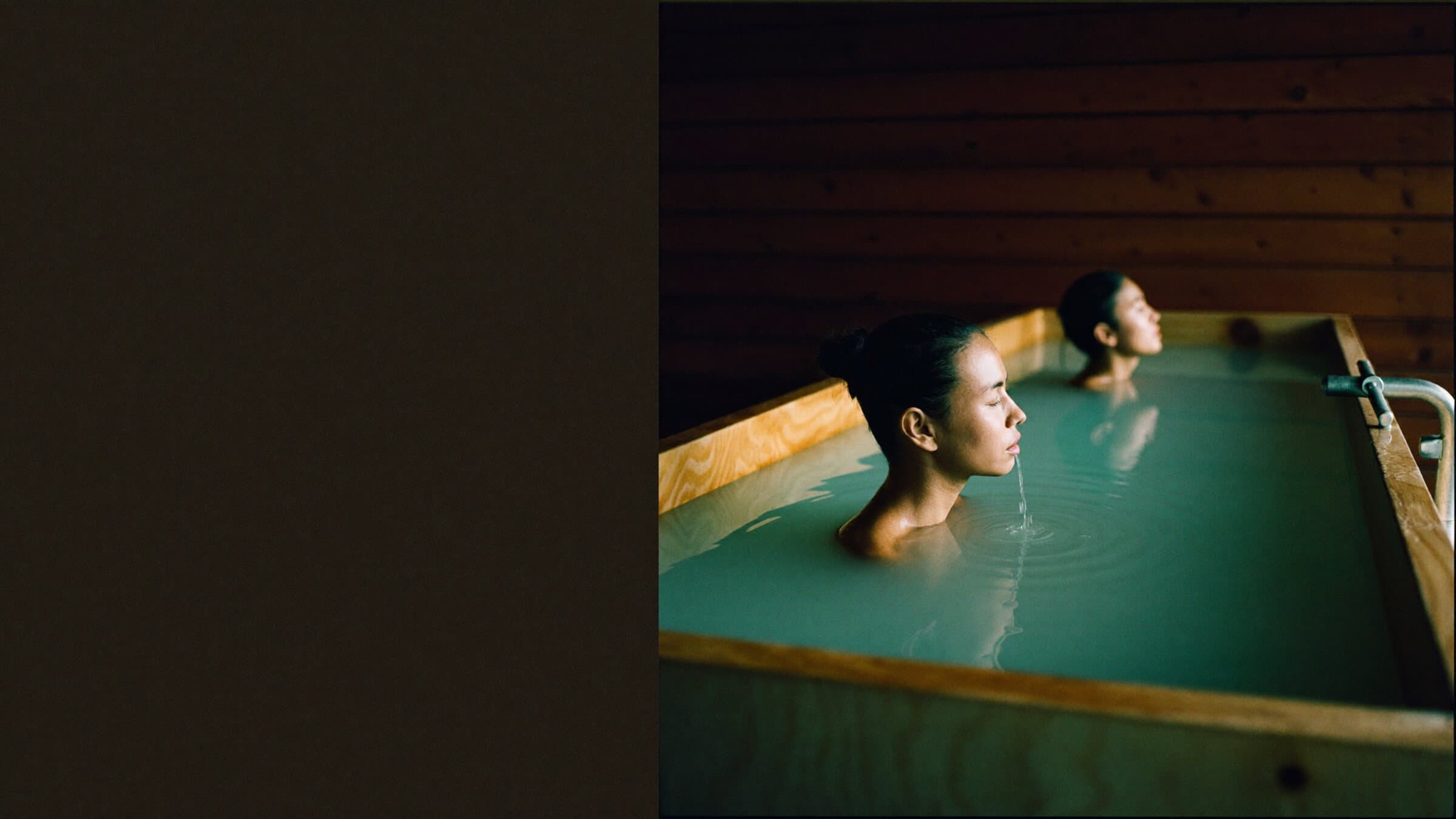
Enter slowly enough to keep control and use the designed steps or support. Keep the face above water unless a qualified, reviewed protocol specifically says otherwise. Do not take a forceful preparatory breath or hold your breath. Sudden cold can trigger gasping and rapid breathing, so concentrate on staying able to exhale, communicate, and exit rather than trying to look calm. Cold shock can begin before prolonged cooling, so the earliest moments require supervision and a clear way out.
Short exposure and opt-out
A short, conservative exposure is sufficient for a first assessment, but no universal number should be used as a target until the facility protocol is verified. You may leave before a timer, skip immersion entirely, or stop after entry. Longer and colder are not automatically better. The supervisor should treat an opt-out as normal and never use group pressure, competition, or achievement language. Medical conditions and medications can alter cold response in ways that willpower, experience, or a timer cannot predict.
Post-session monitoring
After exit, dry off, move to a safe warm area, and monitor breathing, thinking, skin color, sensation, coordination, and steadiness. Rewarm gradually and do not drive while chilled, dizzy, confused, or weak. Persistent numbness, inability to rewarm, abnormal color, chest symptoms, severe breathing difficulty, or loss of consciousness needs medical attention. Call 911 for an emergency. Colder and longer are not inherently better, and another person's tolerance cannot establish a safe limit for you.

A practical way to use this information
- 1
For Preparing for Your First Cold Plunge, start with the plain-language definition and separate the topic from adjacent terms that are often used interchangeably.
- 2
Apply the idea to the activity that came before and the demand that comes next instead of copying a universal protocol.
- 3
Use the evidence section to distinguish supported findings, mixed findings, practical experience, and unanswered questions.
- 4
If a service is relevant, review its preparation, supervision, stop process, and current operating details before booking.
- 5
Use a qualified professional for diagnosis, medical clearance, persistent symptoms, medication questions, or a concern outside a wellness studio's scope.
Fit, limits, and when to choose another path
Sudden cold-water exposure can affect breathing, heart rate, and blood pressure. Heat exposure also increases fluid loss. People with health concerns should discuss fit with an appropriate health professional, and everyone should leave immediately if instructed by staff or if warning symptoms appear. A website cannot diagnose a condition, clear someone for a service, or replace emergency or clinical care. New, severe, worsening, or unexplained symptoms, fainting, breathing difficulty, chest symptoms, major swelling, loss of function, or other urgent concerns should be routed to appropriate medical care instead of a recovery booking. For Preparing for Your First Cold Plunge, follow the current service-specific screening and stop guidance rather than relying on general information alone.
Where this fits in the Recovery Mode system
Return to Cold Exposure Basics for the complete topic map.
Continue with Sauna Hydration and Aftercare, Heat and Infrared Sauna Basics, or A Beginner Guide to Contrast Therapy when that decision is closer to your situation.
For the service or selection path, review Infrared Sauna and Cold Plunge.
For Preparing for Your First Cold Plunge, the right choice can change with the day. Compare the current experience, level of guidance, time, preparation, and what you intend to do next. Use the live booking or contact source for changing details, and do not treat general information as personal medical clearance.
Frequently asked questions
Bring permitted plunge clothing, dry layers, a full change of clothes, and non-slip footwear unless the facility confirms they are provided. Verify towels, lockers, showers, privacy, and rewarming amenities before arrival. Health, medications, fatigue, illness, and prior exposure can all change the response from one day to the next.
Use the designed support and enter slowly enough to stay in control. Keep your face above water, avoid forceful inhalation or breath holding, and preserve a clear path to exit immediately. If breathing does not settle promptly after exit, seek assistance instead of attempting another immersion or breath-control drill.
Exit. Cold can trigger gasping and rapid breathing. Do not prove control by staying in, submerging the face, or holding the breath. Move to safety and seek help if breathing remains severe or abnormal. Any performance or soreness claim must remain narrower than the evidence and must never obscure acute immersion hazards.
Yes. You can decline, pause, or exit at any time, including immediately after entry. A timer, group, or supervisor should never pressure you to remain after you choose to leave. Leave while you still have normal hand function and coordination rather than waiting for cold to force the decision.
Monitor breathing, thinking, sensation, skin color, coordination, steadiness, and rewarming. Persistent numbness, abnormal color, confusion, weakness, chest symptoms, severe breathing difficulty, or failure to rewarm needs medical attention. Competition language is inappropriate because it encourages people to ignore the same warning signs that should end exposure.
Next step
For Preparing for Your First Cold Plunge, confirm the current service details, responsible provider, screening, and personal-fit questions before reserving. Use Book Your Recovery Session for an operational question, and use an appropriate health professional for medical clearance or symptoms that need evaluation.
Ask before you book
Ask the studio directly, and speak with a qualified clinician about whether this suits you.
Sources and review basis
- Contrast Service(opens in a new tab)
First Party Web. Supports: The official site markets a combined infrared sauna and cold plunge service. Limits: Privacy, temperatures, duration, supervision, towels, shower, and screening are not fully verified.
- Cold Exposure Safety(opens in a new tab)
Official Health Source. Supports: Cold exposure can create injury and acute physiological risk, so service-specific screening and use guidance are required. Limits: Exact device and protocol require service-specific review.
- Medical Emergency Action(opens in a new tab)
Official Government Guidance. Supports: NYC311 directs people to call 911 for a medical or health-related emergency. Limits: Qualified review still owns the exact sitewide wording and placement.
- Recovery Mode infrared sauna and cold plunge page(opens in a new tab)
Recovery Mode. Supports: Infrared sauna and cold plunge are represented as a combined service.
- Cold water immersion risks(opens in a new tab)
American Heart Association. Supports: Cold shock, breathing, blood pressure, heart strain, and gradual acclimation cautions.
- Preventing hypothermia(opens in a new tab)
Centers for Disease Control and Prevention. Supports: Cold water can cause hypothermia and the CDC warning signs.
- Dehydration: symptoms and causes(opens in a new tab)
Mayo Clinic. Supports: Sweating, exercise, heat exposure, and dehydration risk.
- Wim Hof Method safety guidance(opens in a new tab)
Wim Hof Method. Supports: Forceful breathing and breath retention can cause loss of consciousness and must not be practiced in or near water, while driving, or in another setting where fainting creates danger.