
Localized Cryotherapy Safety
5 sections6 min read
The short answer
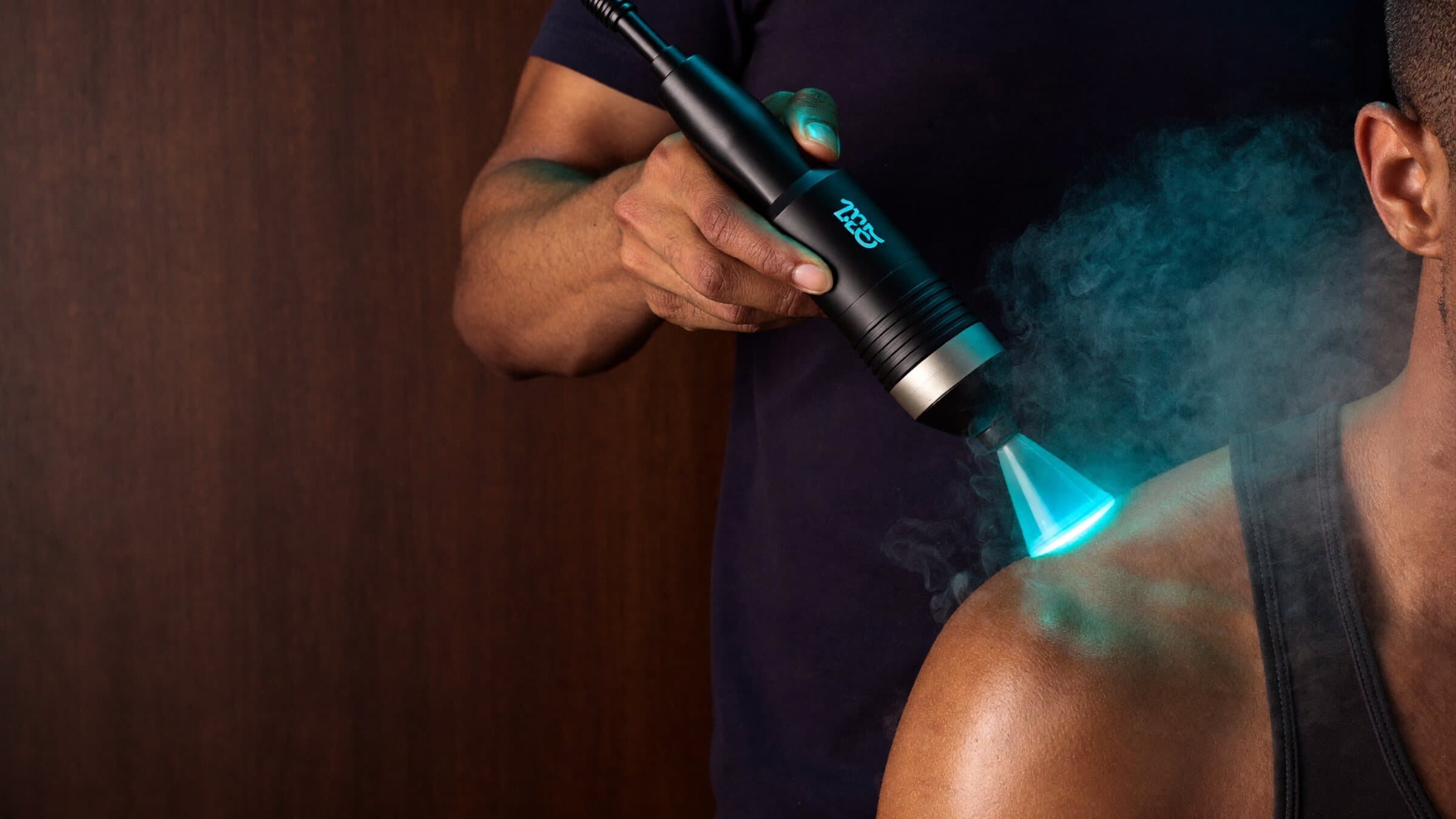
Localized cryotherapy applies intense cold to a limited area and is not the same as whole-body cryotherapy. Safety depends on the exact device, permitted body areas, exposure controls, skin and sensation checks, operator qualifications, and emergency process. Online booking should remain unavailable until those facts are verified.
The decision this page helps you make
The word cryotherapy is too broad to support a safe protocol by itself. Recovery Mode lists localized cryotherapy, but it has not confirmed a whole-body chamber. New York identifies cryotherapy in its med-spa guidance as a medical procedure, so entity, oversight, provider, scope, device, screening, consent, and adverse-event questions require qualified verification. Until Recovery Mode confirms the equipment and official instructions, do not rely on any stated temperature, exposure time, target area, or contraindication list. Prospective users can still understand the decision boundary: intact skin and normal sensation need checking, warning signs require an immediate stop, and unexpected injury or systemic symptoms need appropriate medical attention.

What matters before you choose
Localized versus whole-body distinction
Localized cryotherapy directs cold toward a limited body area, while whole-body cryotherapy exposes much more of the body in a chamber or enclosure. The experiences, devices, labeling, and risks are not interchangeable. Recovery Mode currently lists only a localized service. Do not assume that a whole-body chamber exists, compare unverified protocols, or transfer evidence between localized and whole-body services without direct support. Before you book, Recovery Mode should identify the responsible people, equipment, setting, records, and emergency process.
Device-specific instructions
Device-specific instructions must control permitted placement, operating limits, protective measures, cleaning, maintenance, and stop procedures. Marketing names are not enough to identify those requirements. Before online booking becomes available, Recovery Mode must document the exact model and labeling, and a qualified health professional must confirm the protocol. Until then, do not rely on any stated temperature, time, distance, target list, or outcome. A service name alone does not prove that its clinical or legal operating requirements are satisfied.
Skin and sensation screening
Skin integrity, circulation, sensation, recent injury, prior cold injury, and the ability to report discomfort are central screening issues. Cold should not be applied over broken, infected, or unexplained skin or an area where sensation is impaired without appropriate medical direction. The operator should inspect as permitted, ask about relevant conditions and medications, and maintain continuous communication throughout exposure. Urgent symptoms require appropriate medical action and should never be routed through a marketing or booking workflow.
Provider oversight
New York regulatory guidance identifies cryotherapy as a medical procedure, so the responsible professional entity, medical oversight, provider qualifications, delegation, consent, and emergency plan must be established. A general waiver cannot substitute for those facts. Recovery Mode lists the service, but that alone does not verify that every legal and clinical operating requirement has been satisfied. Evidence from a related modality cannot answer your question when pressure, device, delivery method, or oversight differs.
Stop and escalation protocol
Stop immediately for sharp or escalating pain, burning, numbness beyond the expected local sensation, skin discoloration, blistering, dizziness, faintness, breathing difficulty, or another unexpected reaction. The operator needs a reviewed response and escalation process tied to the device. Severe pain, tissue injury, persistent neurologic change, loss of consciousness, chest symptoms, or another emergency requires prompt medical care. Do not rely on guessed settings, ingredients, doses, target areas, or provider assignments when verified facts are missing.

A practical way to use this information
- 1
For Localized Cryotherapy Safety, start with the plain-language definition and separate the topic from adjacent terms that are often used interchangeably.
- 2
Apply the idea to the activity that came before and the demand that comes next instead of copying a universal protocol.
- 3
Use the evidence section to distinguish supported findings, mixed findings, practical experience, and unanswered questions.
- 4
If a service is relevant, review its preparation, supervision, stop process, and current operating details before booking.
- 5
Use a qualified professional for diagnosis, medical clearance, persistent symptoms, medication questions, or a concern outside a wellness studio's scope.
Fit, limits, and when to choose another path
New York identifies cryotherapy as a medical procedure in its med-spa consumer guidance. Provider responsibility, medical oversight, equipment, screening, and claim language require direct verification before publication. A website cannot diagnose a condition, clear someone for a service, or replace emergency or clinical care. New, severe, worsening, or unexplained symptoms, fainting, breathing difficulty, chest symptoms, major swelling, loss of function, or other urgent concerns should be routed to appropriate medical care instead of a recovery booking. For Localized Cryotherapy Safety, follow the current service-specific screening and stop guidance rather than relying on general information alone.
Where this fits in the Recovery Mode system
Return to When Recovery Needs Medical Care for the complete topic map.
Continue with Compression Boots Safety, Questions for a First Sports Acupuncture Visit, or Questions to Ask Before IV Hydration when that decision is closer to your situation.
For the service or selection path, review Localized Cryotherapy in Astoria.
For Localized Cryotherapy Safety, the right choice can change with the day. Compare the current experience, level of guidance, time, preparation, and what you intend to do next. Use the live booking or contact source for changing details, and do not treat general information as personal medical clearance.
Frequently asked questions
Recovery Mode has not yet confirmed the exact device for prospective clients. Its model, labeling, instructions, maintenance, protective measures, and operating limits must be documented before online booking or device-specific guidance becomes available. New York scope and professional-entity requirements need qualified review tied to the actual service delivery model.
A reviewed process should assess skin integrity, color, circulation, sensation, recent injury, prior cold injury, relevant conditions, and medications before exposure. The exact examination and documentation must match provider scope and device instructions. Credential verification must match the legal name, profession, current registration, and actual assignment to the service.
Allowed areas depend on the verified device labeling, operator scope, screening, and qualified clinical review. Do not rely on a target-area list generalized from another cryotherapy device or a competitor's protocol. Safety language must name the responsible action without implying that a disclaimer can correct an unsafe operating model.
The responsible entity, medical oversight, provider credentials, and delegation are unresolved operating facts. New York treats cryotherapy as a medical procedure, so supervision cannot be inferred from general wellness staffing. A general waiver cannot replace individualized screening, informed consent, competent delivery, and a documented adverse-event response.
Stop for sharp or escalating pain, burning, unexpected numbness, skin discoloration, blistering, dizziness, faintness, or breathing difficulty. Severe tissue injury, chest symptoms, loss of consciousness, or another emergency needs immediate medical help. The responsible clinician must review contraindications, material risks, alternatives, and the response to an adverse event.
Next step
For Localized Cryotherapy Safety, confirm the current service details, responsible provider, screening, and personal-fit questions before reserving. Use Book Your Recovery Session for an operational question, and use an appropriate health professional for medical clearance or symptoms that need evaluation.
Ask before you book
Ask the studio directly, and speak with a qualified clinician about whether this suits you.
Sources and review basis
- Localized Cryotherapy(opens in a new tab)
First Party Web. Supports: The official site markets localized cryotherapy, not a verified whole-body chamber service. Limits: Exact device, label, exposure limits, and screening require verification.
- Health Claims(opens in a new tab)
Official Regulator. Supports: FTC health-marketing guidance requires truthful, non-misleading, adequately substantiated express and implied health claims. Limits: Service-specific evidence and qualified review remain necessary.
- Medical Emergency Action(opens in a new tab)
Official Government Guidance. Supports: NYC311 directs people to call 911 for a medical or health-related emergency. Limits: Qualified review still owns the exact sitewide wording and placement.
- Recovery Mode localized cryotherapy page(opens in a new tab)
Recovery Mode. Supports: Localized cryotherapy is represented as a current service. Whole-body cryotherapy is not established.
- New York med spa business resources(opens in a new tab)
New York Department of State. Supports: Vitamin infusions and cryotherapy are identified as medical procedures, with professional-entity and medical-oversight requirements.
- Preventing hypothermia(opens in a new tab)
Centers for Disease Control and Prevention. Supports: Cold water can cause hypothermia and the CDC warning signs.