

Recovery Partnerships for Gyms and Studios
5 sections6 min read
The short answer
Gyms and studios can inquire about member events, referral pathways, educational sessions, or a recovery activation. A useful brief identifies the member audience, collaboration goal, venue conditions, schedule, participation estimate, brand rules, accessibility needs, and decision makers. Services, travel, staffing, commercial terms, data sharing, and promotion require written review before either party makes a public commitment.
The program decision this page supports
A good gym or studio partnership should add a clear member benefit without confusing coaching, medical care, and recovery services. Begin by choosing the collaboration you actually want to explore: a one-time member event, a referral relationship, an education-led session, or another defined activation. Then provide the membership profile, expected flow, facility layout, class timetable, privacy conditions, and brand expectations. Recovery Mode can evaluate the concept, but the inquiry does not establish a referral fee, exclusivity, traveling service menu, participant capacity, or ongoing availability. Both businesses should also agree on consent, member communications, data handling, professional boundaries, and who responds if a participant reports an injury or urgent symptom.

Planning inputs that change the scope
Member recovery needs
Describe the member need and the business objective separately. Your members may be training for strength, endurance, group fitness, mobility, or general wellness, while your facility may want education, retention support, an event experience, or a responsible referral option. State which outcome is the program's purpose without promising physical results or member retention. Include membership age range, training styles, typical class peaks, accessibility needs, and whether nonmembers would attend. This context helps evaluate relevance without assuming that one recovery format fits every participant.
Referral pathway
For a referral concept, define how members would learn about Recovery Mode, contact the business, and make their own choices. Do not send health histories, injury details, or booking information between organizations without an approved and lawful process. Any referral relationship, reciprocal promotion, discount, financial term, exclusivity, or use of member data requires written approval. Coaches should avoid diagnosing conditions or presenting a recovery visit as mandatory. Member-facing language should identify the service accurately, preserve voluntary choice, and direct medical concerns to an appropriate clinician.
In-gym activation
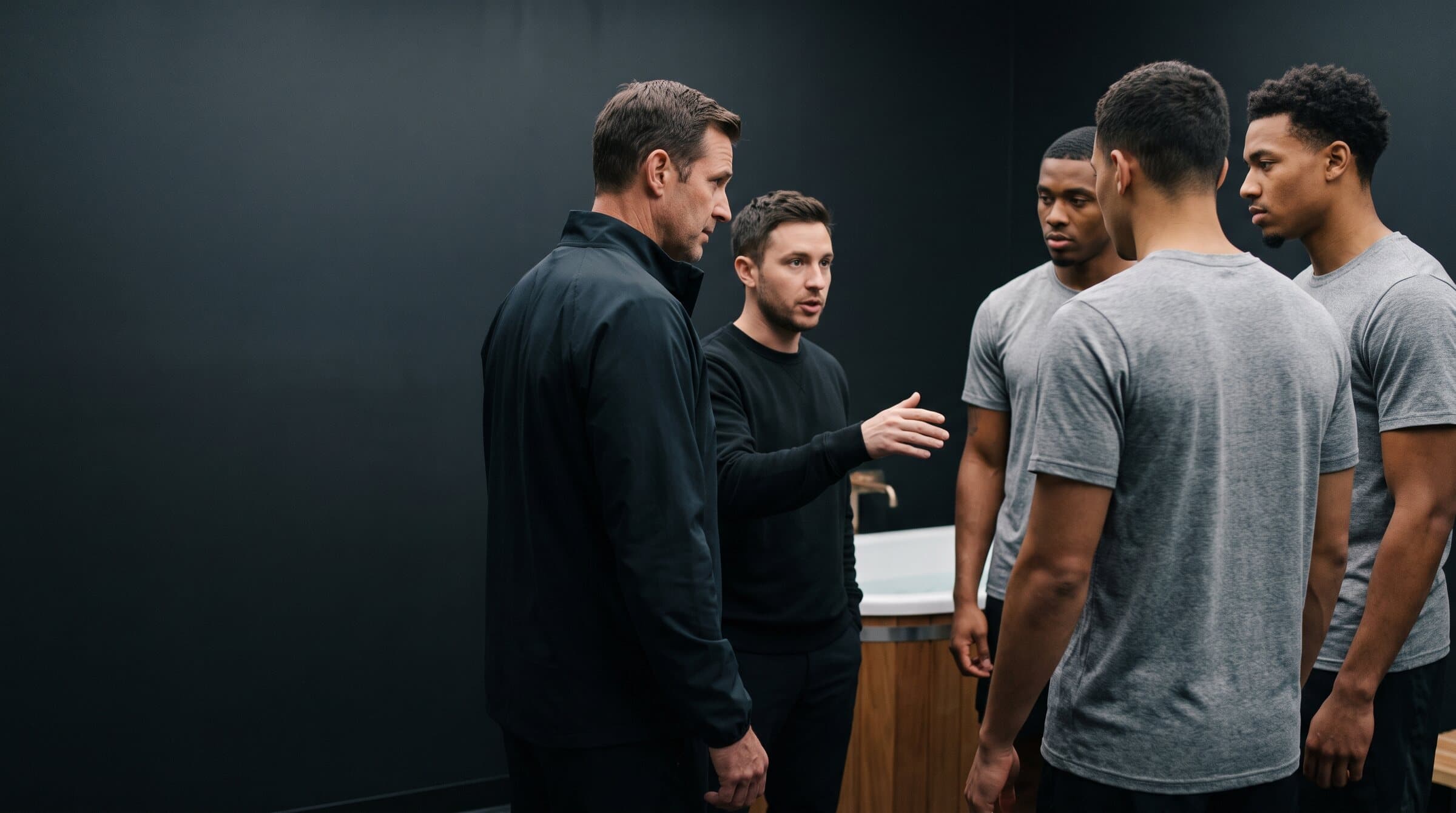
For an in-gym activation, provide the facility address, proposed footprint, access window, stairs or elevator, loading rules, power, water, floor surface, sound limits, storage, sanitation resources, and accessible route. Add the class schedule and expected arrival surges so the concept does not obstruct normal operations. Recovery Mode must confirm whether any experience or equipment can travel and what staffing would be required. Keep emergency access open, separate queues from active training zones, and avoid announcing services or capacity before approval.
Workshop possibilities
Education can support a member event when the topic, presenter qualifications, and claims are reviewed in advance. Propose a practical subject such as planning a recovery routine, understanding service formats, or recognizing when ordinary soreness needs a different response. Clarify whether the session is a talk, demonstration, question period, or combined activation. Do not position general education as an individual assessment or treatment recommendation. Provide the audience, length window, room setup, recording plan, accessibility needs, and questions members commonly ask.
Commercial and brand terms
Put commercial and brand terms in writing before promotion. Identify each party's deliverables, costs, payment schedule, cancellation rules, logo permissions, content approvals, lead ownership, privacy responsibilities, insurance-document needs, and post-event measurement. If photos or testimonials are proposed, obtain specific permissions rather than treating attendance as consent. Name the people who can approve scope and creative materials. A collaboration remains exploratory until both parties have approved the operational plan, professional boundaries, communications, and commercial agreement.

Build a responsible program
- 1
For Recovery Partnerships for Gyms and Studios, define the audience, event setting, expected participation, venue limits, and organizer objective.
- 2
Choose only services that can be delivered safely and lawfully in that setting by appropriately credentialed people.
- 3
Design voluntary consent, privacy, accessibility, sanitation, power, water, and queue procedures before promoting the activation.
- 4
Set a run of show with staffing, arrival, setup, participant flow, stop criteria, and a weather or venue contingency.
- 5
Approve the final scope, claims, insurance requirements, data handling, and escalation contacts in writing.
Safety, consent, privacy, and escalation
A recovery studio is not emergency or diagnostic care. New, severe, worsening, or unexplained symptoms should be assessed by an appropriate health professional before a wellness booking. A website cannot diagnose a condition, clear someone for a service, or replace emergency or clinical care. New, severe, worsening, or unexplained symptoms, fainting, breathing difficulty, chest symptoms, major swelling, loss of function, or other urgent concerns should be routed to appropriate medical care instead of a recovery booking. For Recovery Partnerships for Gyms and Studios, follow the current service-specific screening and stop guidance rather than relying on general information alone.
Move from planning to an inquiry
Return to Recovery Partnerships for the complete topic map.
Continue with On-Site Sports Event Recovery, Recovery Support for Teams and Coaches, or Recovery Brand Activations when that decision is closer to your situation.
For the service or selection path, review Corporate Wellness in New York City.
For Recovery Partnerships for Gyms and Studios, the right choice can change with the day. Compare the current experience, level of guidance, time, preparation, and what you intend to do next. Use the live booking or contact source for changing details, and do not treat general information as personal medical clearance.
Frequently asked questions
A member event can be considered after Recovery Mode reviews the audience, objective, date, venue, layout, flow, accessibility, safety plan, and desired experience. Submit those details before advertising. The final service mix, staffing, and participant capacity must appear in an approved written scope.
A referral relationship can be explored, but no fee, discount, exclusivity, endorsement, or data-sharing arrangement should be assumed. Define how members receive information and contact Recovery Mode independently. Commercial terms, privacy practices, brand language, and professional boundaries require written approval from both businesses.
Traveling services and equipment depend on current capabilities, staffing, professional scope, transportation, utilities, venue conditions, screening, and safety review. Describe the member experience you want and provide a detailed site brief. Recovery Mode can then confirm whether any suitable on-site format is available.
Education can be considered as a talk, demonstration, or reviewed component of an activation. Provide the topic, audience, time window, room setup, accessibility requirements, recording plans, and common member questions. Content must stay within the presenter's qualifications and avoid individual diagnosis or treatment promises.
Both parties should approve pricing, payment, cancellation, deliverables, branding, content review, privacy, lead handling, insurance documents, photo permissions, and measurement in writing. Identify authorized decision makers early. No referral or activation term is final until the full scope and agreement are approved.
Next step
For Recovery Partnerships for Gyms and Studios, confirm the current service details, responsible provider, screening, and personal-fit questions before reserving. Use Contact Recovery Mode for an operational question, and use an appropriate health professional for medical clearance or symptoms that need evaluation.
Start an inquiry
Planning for a team, an event, or a workplace starts with a conversation about scope and logistics.
Sources and review basis
- Event Recovery(opens in a new tab)
First Party Web. Supports: The official site markets event and sports recovery services. Limits: Capacity, staffing, service area, COI, logistics, and case proof are not published in sufficient detail.
- Corporate Wellness(opens in a new tab)
First Party Web. Supports: The official site markets corporate wellness services. Limits: Capacity, staffing, service area, COI, logistics, and client proof are not published in sufficient detail.
- Legal Entity And Service Boundary(opens in a new tab)
First Party Legal. Supports: Current terms identify Portable Physical Therapy P.C. doing business as Recovery Mode and state that website content is not diagnosis or emergency care. Limits: Terms need counsel review against actual service entities and booking flow.