
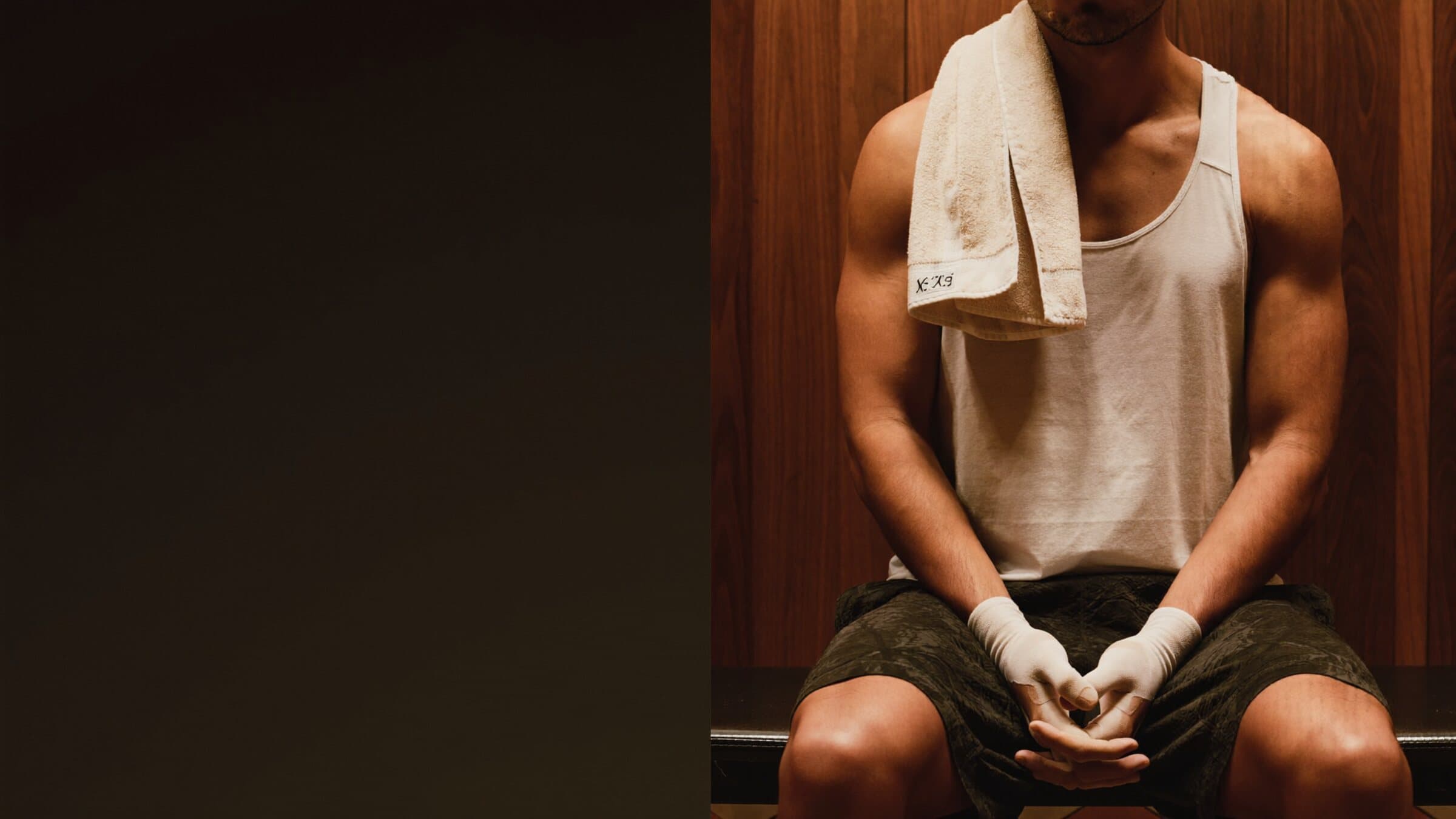
Recovery for CrossFit Athletes
5 sections6 min read
The short answer
CrossFit recovery starts by naming the workout stimulus: strength, conditioning, skill, or mixed. Check shoulders, grip, hips, legs, and trunk according to the actual movements, then work backward from the next class. Massage and compression offer different coverage and control. Immediate cold after lifting may carry an adaptation tradeoff worth considering.
The decision this page helps you make
A class can center on heavy lifting, gymnastics skill, short intense conditioning, longer mixed work, or some combination. The recovery choice should follow that stimulus, not the brand name of the training method. Note the movements, volume, near-failure efforts, and next class. Optional massage, compression, heat, or cold may fit by preference, but soreness should never be used as the only measure of a successful workout or recovery plan. Use the five checkpoints below in order: identify the load, cover the basics, choose only the support that fits, work backward from your calendar, and stop when symptoms fall outside ordinary training fatigue. This is a decision framework, not a diagnosis or a promise that any service will change performance or recovery speed.

What matters before you choose
Workout stimulus
Separate strength, conditioning, and skill. Heavy cleans create a different demand than high-repetition pull-ups, handstand practice, or a long rowing workout. Record the primary movements, total repetitions, loading, time domain, and anything unfamiliar. That stimulus map makes the next choice more specific. Write down what you did, how long it lasted, and how hard it felt before adding a recovery option. That context keeps the response proportional to the work. Keep the record accessible.
Strength versus conditioning
Check shoulders and grip after hanging or overhead work, hips and legs after squatting or lunging, and trunk fatigue after loaded carries or complex lifts. Broad muscle fatigue can be expected, but sharp joint-adjacent pain, swelling, instability, or loss of function needs more caution. Choose the simplest reasonable step first and reassess afterward. More inputs are not automatically better, especially when sleep, food, fluids, and reduced load need attention. Keep the plan proportionate.
Shoulder, grip, hip, and leg load
Count the hours until the next class and read its programmed emphasis when available. Repeating the same movement family changes the readiness question. A short turnaround favors basics and familiar, low-disruption options, while a longer gap gives time to observe how soreness develops. Preference matters because a format you can settle into is more practical than one you tolerate reluctantly. Ask what the session involves before you book. Confirm those details directly.
Short turnaround
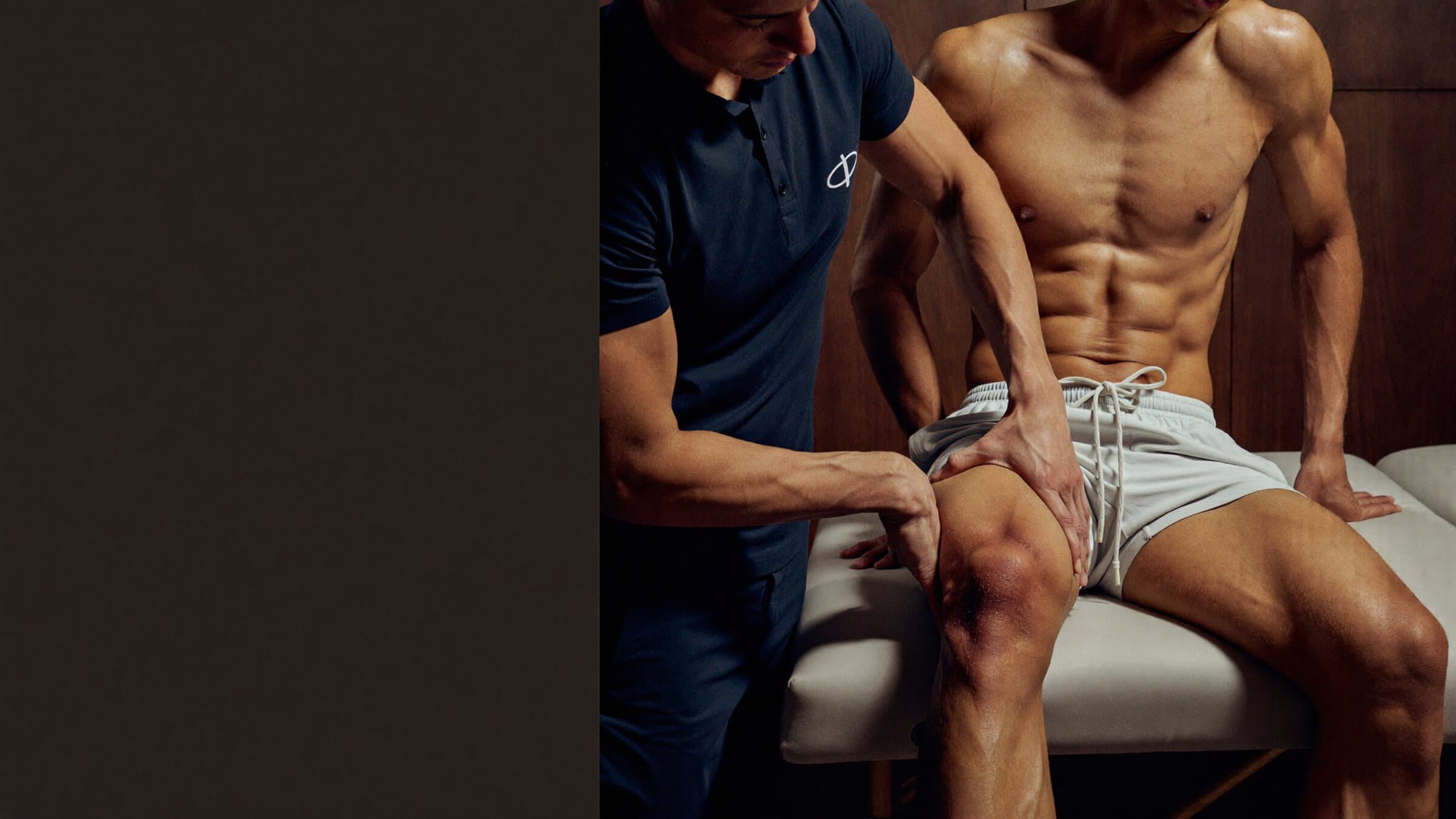
Massage allows therapist-guided focus on selected areas and pressure adjusted through feedback. Compression is passive equipment commonly centered on the legs. Choose by dominant area, desired interaction, screening, and calendar. Neither is a substitute for scaling or modifying tomorrow's class. Work backward from the next important workout, rehearsal, race, or workday. Leave enough margin to notice your response instead of experimenting immediately before it. Protect that next demand.
Service timing tradeoffs
If strength or muscle growth is the goal, routine immediate cold exposure after lifting may involve an adaptation tradeoff. Consider purpose, timing, frequency, and total exposure rather than following a blanket rule. Cold also requires cardiovascular, neurologic, skin, and tolerance screening. New, sharp, worsening, or function-limiting symptoms change the decision. Pause routine recovery and seek appropriate clinical guidance when the pattern is concerning. Safety comes before routine.

A practical way to use this information
- 1
For Recovery for CrossFit Athletes, name the training, work, or competition demand that created the need. Include what happened, when it happened, and which areas feel most loaded.
- 2
Protect the basics first: sleep opportunity, ordinary food and fluid needs, and enough distance from another hard effort to make a sensible choice.
- 3
Choose the experience that best fits the day, such as hands-on work, a seated device-led option, heat, cold, guided breathing, easy movement, or complete rest.
- 4
Match intensity and timing to what comes next. A familiar low-disruption option may make more sense near competition than a new or aggressive experience.
- 5
Stop the recovery decision and seek appropriate care when symptoms are sudden, severe, worsening, unusual, or inconsistent with ordinary training fatigue.
Fit, limits, and when to choose another path
A recovery studio is not emergency or diagnostic care. New, severe, worsening, or unexplained symptoms should be assessed by an appropriate health professional before a wellness booking. A website cannot diagnose a condition, clear someone for a service, or replace emergency or clinical care. New, severe, worsening, or unexplained symptoms, fainting, breathing difficulty, chest symptoms, major swelling, loss of function, or other urgent concerns should be routed to appropriate medical care instead of a recovery booking. For Recovery for CrossFit Athletes, follow the current service-specific screening and stop guidance rather than relying on general information alone.
Where this fits in the Recovery Mode system
Return to Recovery for Your Sport and Schedule for the complete topic map.
Continue with Recovery for Lifters and Strength Athletes, Recovery for Cyclists, or Recovery for Triathletes when that decision is closer to your situation.
For the service or selection path, review Choose Your Recovery.
For Recovery for CrossFit Athletes, the right choice can change with the day. Compare the current experience, level of guidance, time, preparation, and what you intend to do next. Use the live booking or contact source for changing details, and do not treat general information as personal medical clearance.
Other people and other weeks





Frequently asked questions
Name the dominant stimulus even when the workout was mixed. Was the key goal maximal strength, skill practice, sprint conditioning, or sustained work? Movements, volume, load, and novelty help answer that question. Record that context before choosing an optional recovery service or changing tomorrow's activity.
Check the body areas used most by the actual movements: grip and shoulders, hips and legs, or trunk. Do not assume location identifies an injury. Sharp pain, swelling, instability, or lost function needs assessment. Use normal function and symptom trend to decide whether to continue or seek guidance.
Use the next class time and programmed emphasis. A short turnaround into similar movements calls for a conservative routine and possible scaling. More time allows you to observe soreness before deciding what support fits. Confirm the session format, screening, and current availability before you book.
Massage fits selected-area, therapist-led work with adjustable pressure. Compression fits passive, equipment-based leg coverage. Choose by body area, interaction preference, schedule, and screening, not a promise of faster recovery. Leave enough margin to observe your response before the next important demand.
When lifting adaptation is a priority, consider avoiding routine immediate cold without discussing the tradeoff. Purpose, frequency, and timing matter. Cold also has its own screening needs, so it should not be an automatic post-class step. When urgent symptoms are present, use prompt medical care instead of a recovery appointment.
Next step
For Recovery for CrossFit Athletes, confirm the current service details, responsible provider, screening, and personal-fit questions before reserving. Use Book Your Recovery Session for an operational question, and use an appropriate health professional for medical clearance or symptoms that need evaluation.
Reserve a session
Current durations, prices, providers, and availability live in the booking system, not on this page.
Booking is handled by Acuity Scheduling. Nothing on this page is medical advice or clearance to participate.
Sources and review basis
- Sports Massage(opens in a new tab)
First Party Web. Supports: The official sports massage page describes sports massage as a bookable service and mentions cupping, deep tissue, and myofascial release. Limits: Provider assignment, current price, and licensing require verification.
- Leg Compression(opens in a new tab)
First Party Web. Supports: The official site markets NormaTec leg compression as a bookable service. Limits: Exact device model, labeling, session length, and screening are unverified.
- Massage Evidence And Safety(opens in a new tab)
Official Health Source. Supports: Massage evidence and safety language should remain qualified and avoid guaranteed outcomes. Limits: Does not substantiate a Recovery Mode outcome claim.
- Cold Exposure Safety(opens in a new tab)
Official Health Source. Supports: Cold exposure can create injury and acute physiological risk, so service-specific screening and use guidance are required. Limits: Exact device and protocol require service-specific review.