

Recovery for Office Workers
5 sections7 min read
The short answer
Recovery for office workers starts by changing the pattern that created the discomfort. Break up sitting, vary position, and use comfortable movement before adding services. Targeted massage offers hands-on focus, while mobility or breathwork can support an active reset. Employers seeking a program should verify scope, staffing, privacy, pricing, and current availability directly.
The decision this page helps you make
Desk work can combine prolonged sitting, screen focus, commuting, deadline stress, and too few movement breaks. The goal is not to label every stiff neck or hip as an injury. Instead, identify the daily pattern, restore comfortable movement, and decide whether a targeted hands-on or guided experience fits. A recovery appointment can be one part of the plan, but workstation setup, movement opportunities, sleep, and medical assessment when symptoms are concerning still matter. Use the five checkpoints below in order: identify the load, cover the basics, choose only the support that fits, work backward from your calendar, and stop when symptoms fall outside ordinary training fatigue. This is a decision framework, not a diagnosis or a promise that any service will change performance or recovery speed.

What matters before you choose
Desk and screen pattern
Estimate uninterrupted sitting rather than total work hours. Note how often you stand, change position, walk, or look away from the screen. Laptop-only days, long video calls, and a seated commute can extend the same posture. Build short, realistic position changes into existing transitions instead of relying on one perfect break. Write down what you did, how long it lasted, and how hard it felt before adding a recovery option. That context keeps the response proportional to the work. Keep the record accessible.
Neck, shoulder, back, and hip stiffness
Describe neck, shoulder, back, and hip stiffness by timing and function. Does it ease after walking or persist regardless of position? Is there numbness, weakness, severe headache, trauma, or radiating pain? Those details help separate an ordinary comfort decision from a pattern that deserves qualified assessment. Choose the simplest reasonable step first and reassess afterward. More inputs are not automatically better, especially when sleep, food, fluids, and reduced load need attention. Keep the plan proportionate.
Targeted massage
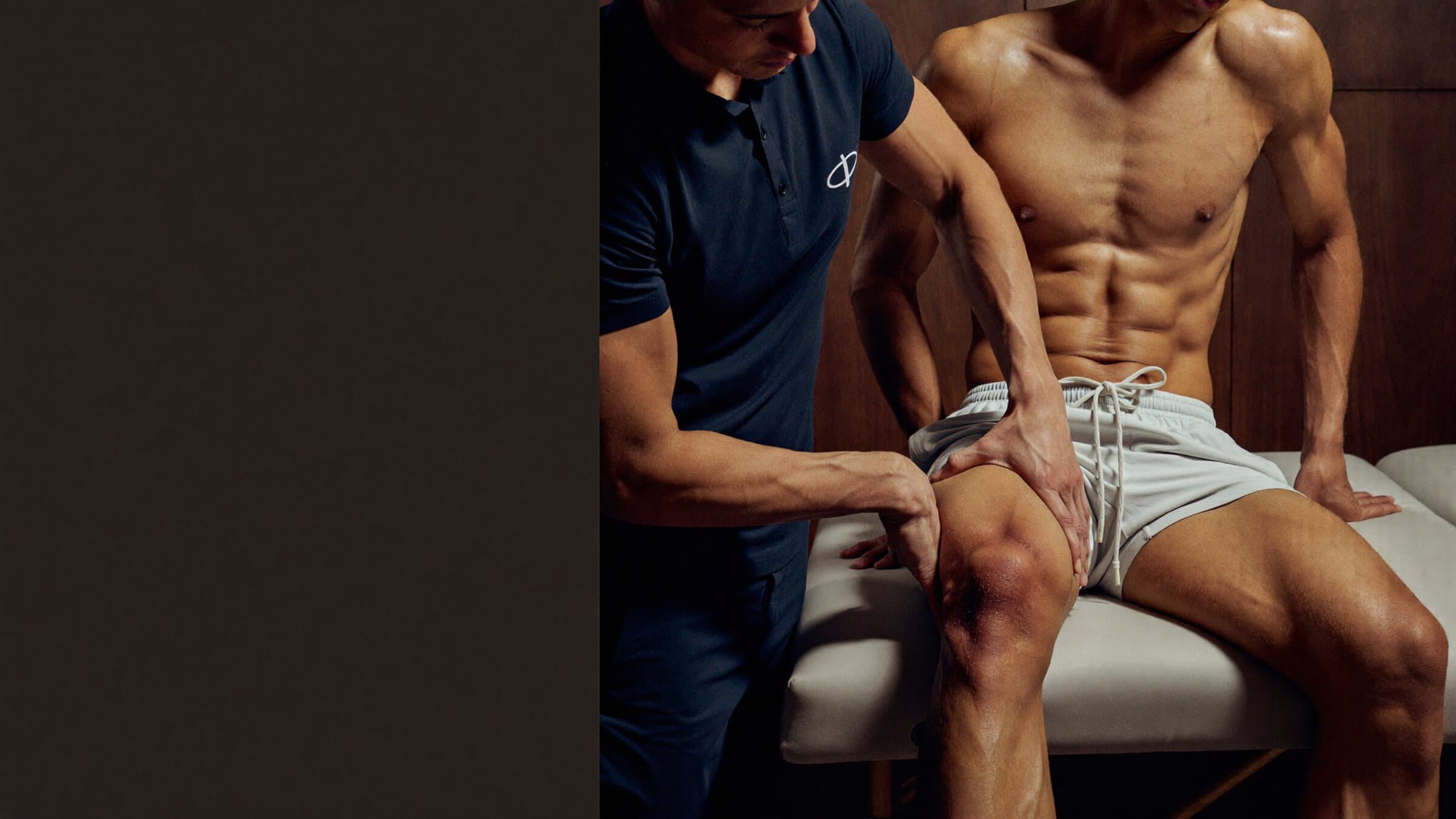
Targeted massage offers therapist-led attention to selected areas and adjustable pressure. Tell the therapist about screen time, commute, recent training, sensitive areas, and any medical guidance. Massage does not correct an unsuitable workstation by itself, so pair the visit with practical position and movement changes. Preference matters because a format you can settle into is more practical than one you tolerate reluctantly. Ask what the session involves before you book. Confirm those details directly.
Mobility and breathwork
Gentle mobility may fit when active movement feels comfortable and you want a physical reset. Breathwork may offer a guided attention and pacing practice, but it should avoid unsafe breath holds and hyperventilation, especially near water, driving, or cold exposure. Stop if lightheaded or unwell. Work backward from the next important workout, rehearsal, race, or workday. Leave enough margin to notice your response instead of experimenting immediately before it. Protect that next demand.
Corporate pathway
For an employer program, define the workforce, location, schedule, desired experience, room constraints, privacy expectations, and accessibility needs. Ask what services, licensed providers, equipment, screening, insurance, pricing, and cancellation terms are currently available. Do not promise health or productivity outcomes to employees. New, sharp, worsening, or function-limiting symptoms change the decision. Pause routine recovery and seek appropriate clinical guidance when the pattern is concerning. Safety comes before routine.


A practical way to use this information
- 1
For Recovery for Office Workers, name the training, work, or competition demand that created the need. Include what happened, when it happened, and which areas feel most loaded.
- 2
Protect the basics first: sleep opportunity, ordinary food and fluid needs, and enough distance from another hard effort to make a sensible choice.
- 3
Choose the experience that best fits the day, such as hands-on work, a seated device-led option, heat, cold, guided breathing, easy movement, or complete rest.
- 4
Match intensity and timing to what comes next. A familiar low-disruption option may make more sense near competition than a new or aggressive experience.
- 5
Stop the recovery decision and seek appropriate care when symptoms are sudden, severe, worsening, unusual, or inconsistent with ordinary training fatigue.
Fit, limits, and when to choose another path
A recovery studio is not emergency or diagnostic care. New, severe, worsening, or unexplained symptoms should be assessed by an appropriate health professional before a wellness booking. A website cannot diagnose a condition, clear someone for a service, or replace emergency or clinical care. New, severe, worsening, or unexplained symptoms, fainting, breathing difficulty, chest symptoms, major swelling, loss of function, or other urgent concerns should be routed to appropriate medical care instead of a recovery booking. For Recovery for Office Workers, follow the current service-specific screening and stop guidance rather than relying on general information alone.
Where this fits in the Recovery Mode system
Return to Recovery for Your Sport and Schedule for the complete topic map.
Continue with Recovery for Runners, Recovery for HYROX Athletes, or Recovery for CrossFit Athletes when that decision is closer to your situation.
For the service or selection path, review Choose Your Recovery.
For Recovery for Office Workers, the right choice can change with the day. Compare the current experience, level of guidance, time, preparation, and what you intend to do next. Use the live booking or contact source for changing details, and do not treat general information as personal medical clearance.
Other people and other weeks





Frequently asked questions
Count uninterrupted sitting blocks and include commuting, not only official work hours. Notice how often you change position, stand, walk, and look away from the screen. Small breaks tied to meetings or tasks are often easier to maintain. Record that context before choosing an optional recovery service or changing tomorrow's activity.
Neck, shoulders, back, and hips may feel stiff after prolonged desk work, but location alone does not identify the cause. Numbness, weakness, trauma, severe headache, or persistent radiating pain warrants qualified guidance. Use normal function and symptom trend to decide whether to continue or seek guidance.
Targeted massage may fit when you want therapist-led attention and adjustable pressure on selected areas. Share relevant symptoms, work pattern, training, and medical guidance. Also address movement and workstation habits rather than expecting massage to replace them. Confirm the session format, screening, and current availability before you book.
Mobility can support a comfortable active reset. Breathwork can support paced attention when practiced safely, but avoid forceful hyperventilation or breath holds near water, driving, or cold exposure. Stop if dizzy. Leave enough margin to observe your response before the next important demand.
Employers can ask about a corporate program, but current scope must be verified. Define headcount, location, schedule, space, accessibility, privacy, provider credentials, screening, pricing, and cancellation needs before a proposal is treated as approved. When urgent symptoms are present, use prompt medical care instead of a recovery appointment.
Next step
For Recovery for Office Workers, confirm the current service details, responsible provider, screening, and personal-fit questions before reserving. Use Book Your Recovery Session for an operational question, and use an appropriate health professional for medical clearance or symptoms that need evaluation.
Reserve a session
Current durations, prices, providers, and availability live in the booking system, not on this page.
Booking is handled by Acuity Scheduling. Nothing on this page is medical advice or clearance to participate.
Sources and review basis
- Sports Massage(opens in a new tab)
First Party Web. Supports: The official sports massage page describes sports massage as a bookable service and mentions cupping, deep tissue, and myofascial release. Limits: Provider assignment, current price, and licensing require verification.
- Breathwork(opens in a new tab)
First Party Web. Supports: The official site markets one-to-one breathwork coaching and names a Certified Wim Hof Instructor on the team page. Limits: Instructor certification, session protocol, exclusions, and consent need confirmation.
- Corporate Wellness(opens in a new tab)
First Party Web. Supports: The official site markets corporate wellness services. Limits: Capacity, staffing, service area, COI, logistics, and client proof are not published in sufficient detail.
- Massage Evidence And Safety(opens in a new tab)
Official Health Source. Supports: Massage evidence and safety language should remain qualified and avoid guaranteed outcomes. Limits: Does not substantiate a Recovery Mode outcome claim.
- Physical Activity Guidelines for Americans(opens in a new tab)
U.S. Department of Health and Human Services. Supports: Evidence-based physical activity guidance and the role of gradual, appropriate activity.
- Adult Activity: An Overview(opens in a new tab)
Centers for Disease Control and Prevention. Supports: Current adult physical-activity guidance and the principle that activity can be accumulated across a week.