

Infrared Sauna Versus Traditional Sauna
5 sections7 min read
The short answer
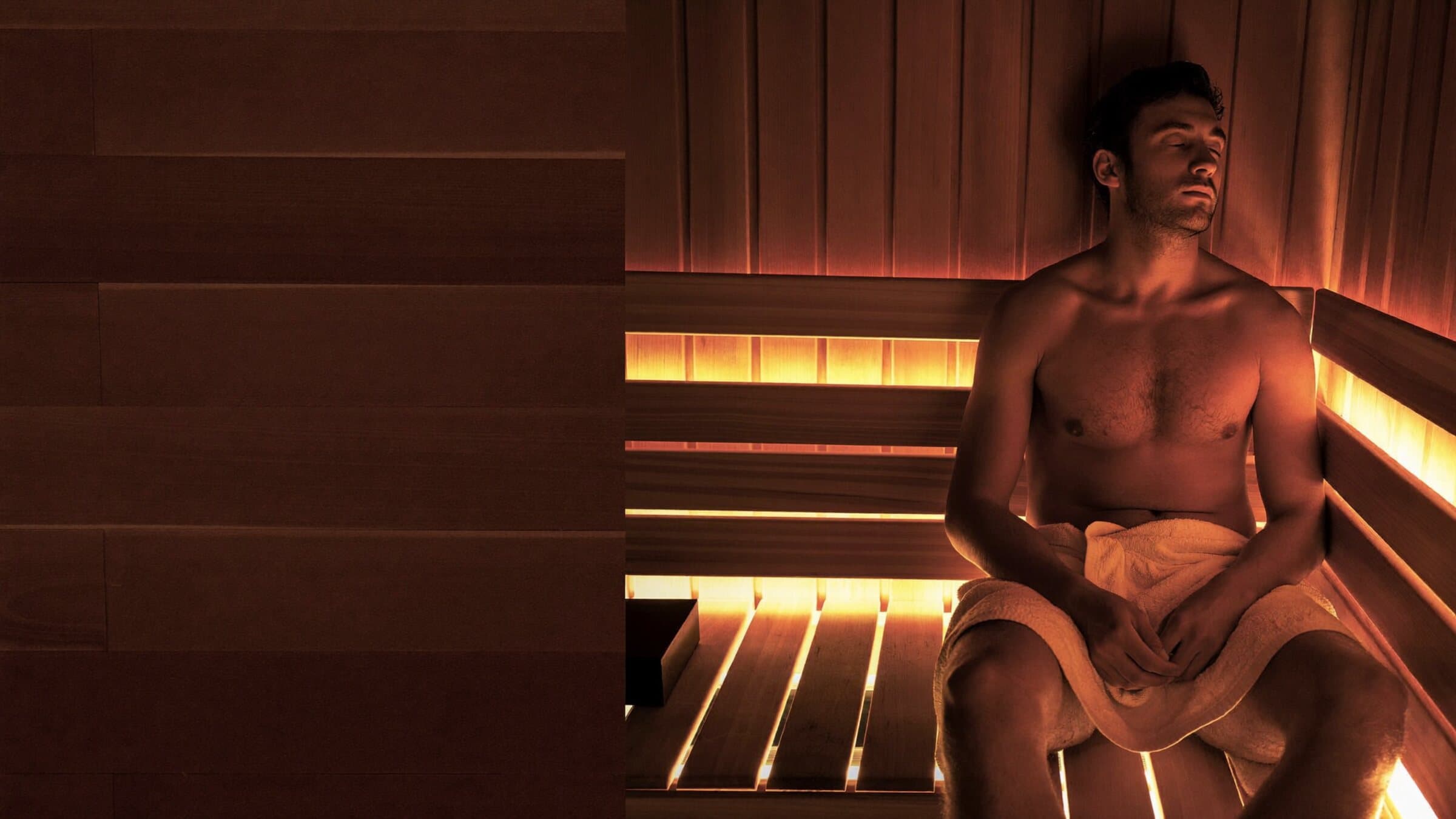
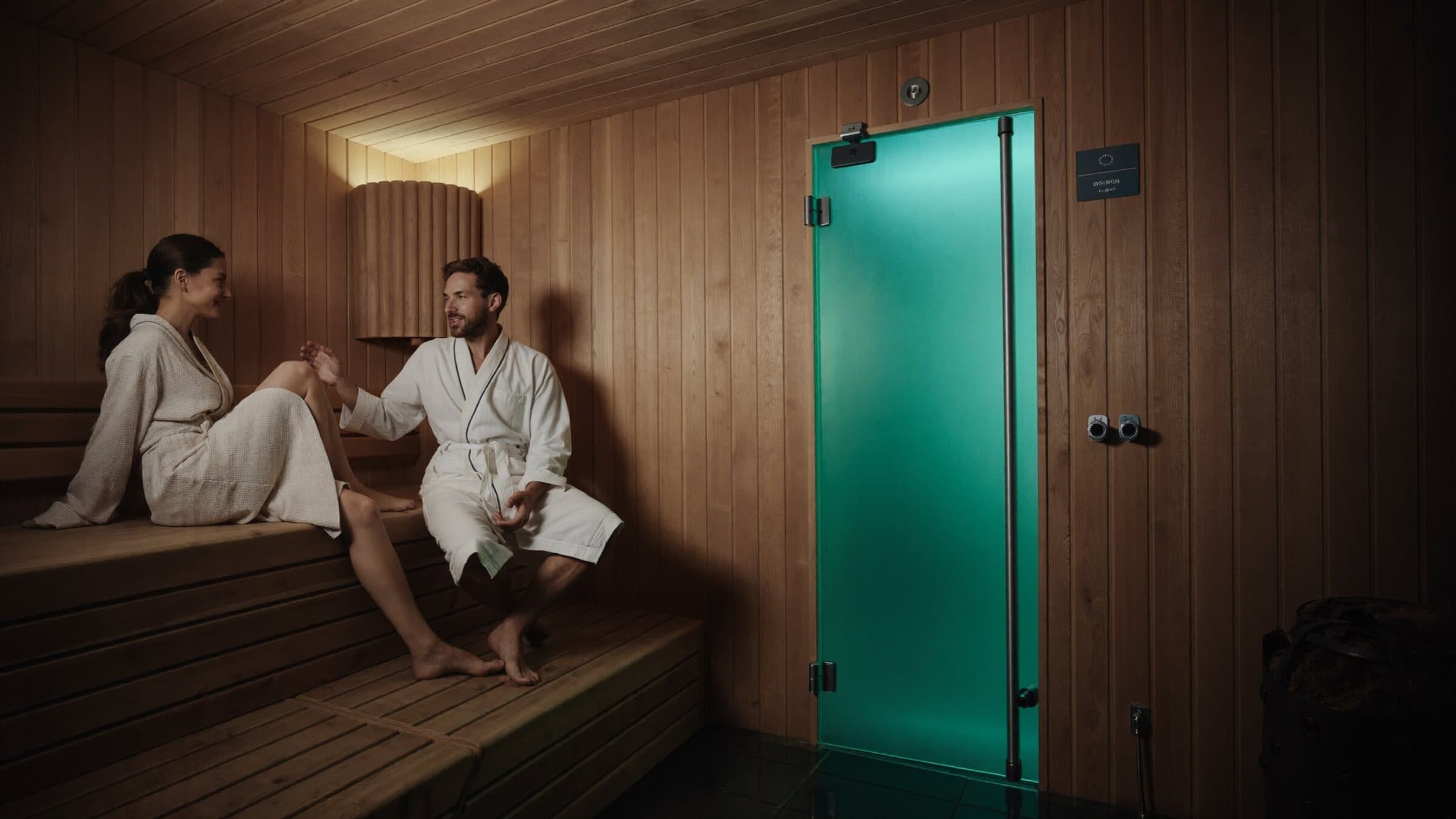
Infrared saunas use radiant heat sources to warm the user and surrounding surfaces, while traditional saunas heat the room air and often sauna stones. Traditional rooms commonly feel hotter; humidity depends on design and water use. Evidence from one sauna type should not be transferred automatically to another. Verify Recovery Mode's exact equipment.
The choice this page clarifies
Infrared and traditional saunas both create heat exposure, but they generate and deliver that heat differently. The distinction affects room temperature, humidity, warm-up, sensation, controls, and which research is relevant. Neither term establishes a medical benefit or a universally safer choice. Your decision should begin with the actual equipment, operating range, supervision, session protocol, health screening, and personal response to heat. The practical choice depends on the experience you want, who provides it, how much control you retain, where it fits in your schedule, and what screening is needed. Neither side wins for every person. Confirm the current menu, equipment, provider credentials, price, and booking terms directly before relying on an option described here.

Compare the options by the factors that matter
Radiant versus ambient heat
Infrared units use radiant emitters that transfer energy toward the body and surfaces while the room air may remain cooler. Traditional saunas heat the air, usually with an electric or wood-fired heater and stones. Construction varies, so the service name alone does not reveal wavelength, heater type, temperature, or ventilation. Compare the actual session experience and scope, not the strongest marketing phrase. The better fit is the one that matches your desired level of contact, coverage, and participation.
Temperature and humidity context
Traditional saunas commonly operate at a higher air temperature, but the exact range depends on the facility and protocol. Humidity may remain low or rise briefly when water is placed on appropriate heated stones. Infrared rooms are not automatically cool or easy, and either can create substantial heat stress. Ask who or what controls the intensity and how quickly it can be changed. That distinction often matters more than which option sounds more advanced.
Session feel
Infrared heat may feel more direct and the room air may feel less intense. Traditional heat can feel more enveloping, especially when humidity rises. Neither necessarily involves steam. Sensation varies with temperature, humidity, duration, seating position, hydration, and individual tolerance, so controls and exit access matter. Place the choice on your real calendar. Allow for setup, the session itself, and how you personally respond before a demanding workout, event, drive, or work obligation.
Evidence extrapolation
Do not assume a finding from Finnish-style sauna research, infrared equipment research, or another protocol applies equally to every commercial sauna. Device design, temperature, humidity, exposure duration, population, and outcome can differ. Describe the experience conservatively and keep health claims tied to the exact evidence. Screening is part of the comparison, not an afterthought. Share relevant conditions, medications, recent procedures, injuries, and unusual symptoms with the appropriate provider.
Currently represented local offer
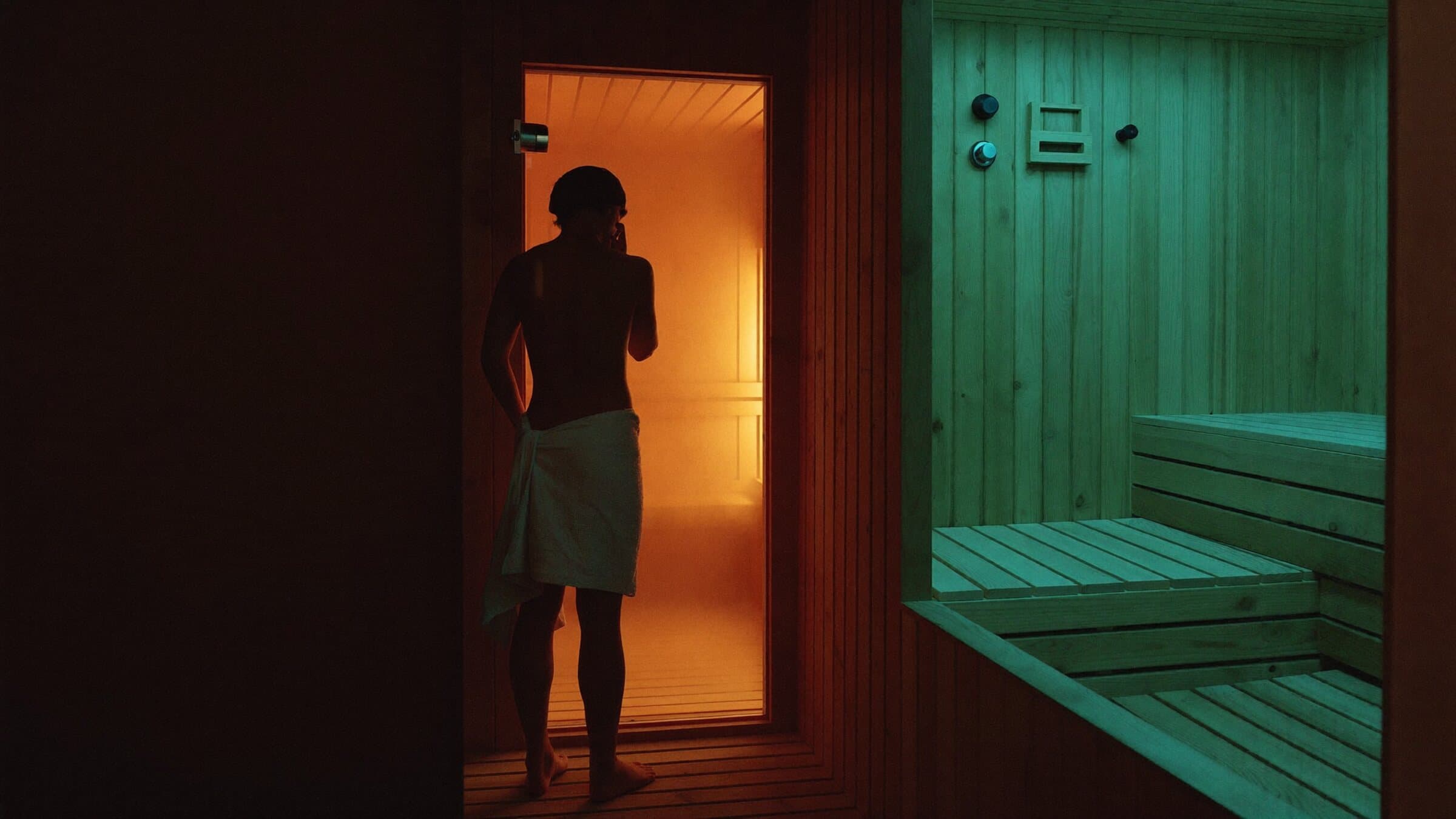
Confirm whether Recovery Mode markets an infrared sauna, a traditional sauna, or another heat device, then verify manufacturer, model, operating protocol, temperature controls, cleaning, supervision, and screening. If those details are not approved, do not infer the equipment type from photographs or use research from a different sauna category. Availability and commercial terms can change. Verify the exact service name, inclusions, provider, equipment, price, and cancellation terms in the current booking flow before purchasing.

Make the comparison in five steps
- 1
For Infrared Sauna Versus Traditional Sauna, name the two choices precisely. Compare experiences and booking formats, not broad labels that can mean different things.
- 2
Start with the reader's context: recent activity, desired experience, available time, tolerance for touch or temperature, and what comes next.
- 3
Check the fit and screening information for each option. A comparison page does not determine personal suitability.
- 4
Confirm live duration, provider, room setup, price, and availability in the approved booking source.
- 5
Choose the option with the clearest fit, or use Find Your Mode when the tradeoff is still unclear.
Fit, limits, and when neither option is right
Sudden cold-water exposure can affect breathing, heart rate, and blood pressure. Heat exposure also increases fluid loss. People with health concerns should discuss fit with an appropriate health professional, and everyone should leave immediately if instructed by staff or if warning symptoms appear. A website cannot diagnose a condition, clear someone for a service, or replace emergency or clinical care. New, severe, worsening, or unexplained symptoms, fainting, breathing difficulty, chest symptoms, major swelling, loss of function, or other urgent concerns should be routed to appropriate medical care instead of a recovery booking. For Infrared Sauna Versus Traditional Sauna, follow the current service-specific screening and stop guidance rather than relying on general information alone.
Continue through the decision system
Return to Choose Your Recovery for the complete topic map.
Continue with Localized Versus Whole-Body Cryotherapy, Compression Boots Versus Sports Massage, or Compression Boots Versus a Massage Gun when that decision is closer to your situation.
For the service or selection path, review Infrared Sauna and Cold Plunge.
For Infrared Sauna Versus Traditional Sauna, the right choice can change with the day. Compare the current experience, level of guidance, time, preparation, and what you intend to do next. Use the live booking or contact source for changing details, and do not treat general information as personal medical clearance.
Other choices this library settles
- Hands-onSports Massage Versus Deep Tissue Massage
- Hands-onSports Massage Versus Assisted Stretching
- Hands-onSports Massage Versus Sports Acupuncture
- Hands-onCupping Versus Myofascial Release
- ContrastSauna Versus Cold Plunge
- ContrastContrast Therapy Versus One Modality
- ColdCold Plunge Versus Localized Cryotherapy
- ColdLocalized Versus Whole-Body Cryotherapy
- PressureCompression Boots Versus Sports Massage
- PressureCompression Boots Versus a Massage Gun




Frequently asked questions
Infrared saunas use radiant emitters to transfer heat toward the user and surfaces. Traditional saunas heat the room air, often with a heater and stones. Exact designs vary, so verify equipment rather than relying on the category name. Use that distinction to match the experience rather than to predict a health outcome.
Traditional saunas usually have hotter room air, but actual temperature and humidity depend on the facility. Infrared can still feel intense and create meaningful heat stress. The safer choice cannot be decided from temperature alone. Ask how controls, provider involvement, and your ability to stop differ in practice.
Not necessarily. A traditional sauna may be dry or may gain humidity when water is used on suitable heated stones. Infrared units generally do not create steam. Confirm the local room design and protocol. Confirm the exact protocol and leave enough time to observe your own response.
No. Findings should remain tied to the studied device, temperature, duration, population, and outcome. Traditional and infrared protocols are not interchangeable, and research does not establish that every commercial session produces the same result. Complete option-specific screening and share relevant conditions, medications, and recent procedures.
Recovery Mode's current equipment type must be verified through approved first-party specifications. Confirm the exact manufacturer, model, heat method, temperature range, protocol, and screening rather than inferring infrared or traditional from a marketing image. Verify every current commercial and operational detail directly before purchasing or arriving.
Next step
For Infrared Sauna Versus Traditional Sauna, confirm the current service details, responsible provider, screening, and personal-fit questions before reserving. Use Book Your Recovery Session for an operational question, and use an appropriate health professional for medical clearance or symptoms that need evaluation.
Reserve a session
Current durations, prices, providers, and availability live in the booking system, not on this page.
Booking is handled by Acuity Scheduling. Nothing on this page is medical advice or clearance to participate.
Sources and review basis
- Contrast Service(opens in a new tab)
First Party Web. Supports: The official site markets a combined infrared sauna and cold plunge service. Limits: Privacy, temperatures, duration, supervision, towels, shower, and screening are not fully verified.
- Cold Exposure Safety(opens in a new tab)
Official Health Source. Supports: Cold exposure can create injury and acute physiological risk, so service-specific screening and use guidance are required. Limits: Exact device and protocol require service-specific review.
- Health Claims(opens in a new tab)
Official Regulator. Supports: FTC health-marketing guidance requires truthful, non-misleading, adequately substantiated express and implied health claims. Limits: Service-specific evidence and qualified review remain necessary.
- Recovery Mode infrared sauna and cold plunge page(opens in a new tab)
Recovery Mode. Supports: Infrared sauna and cold plunge are represented as a combined service.
- Cold water immersion risks(opens in a new tab)
American Heart Association. Supports: Cold shock, breathing, blood pressure, heart strain, and gradual acclimation cautions.
- Preventing hypothermia(opens in a new tab)
Centers for Disease Control and Prevention. Supports: Cold water can cause hypothermia and the CDC warning signs.
- Dehydration: symptoms and causes(opens in a new tab)
Mayo Clinic. Supports: Sweating, exercise, heat exposure, and dehydration risk.