
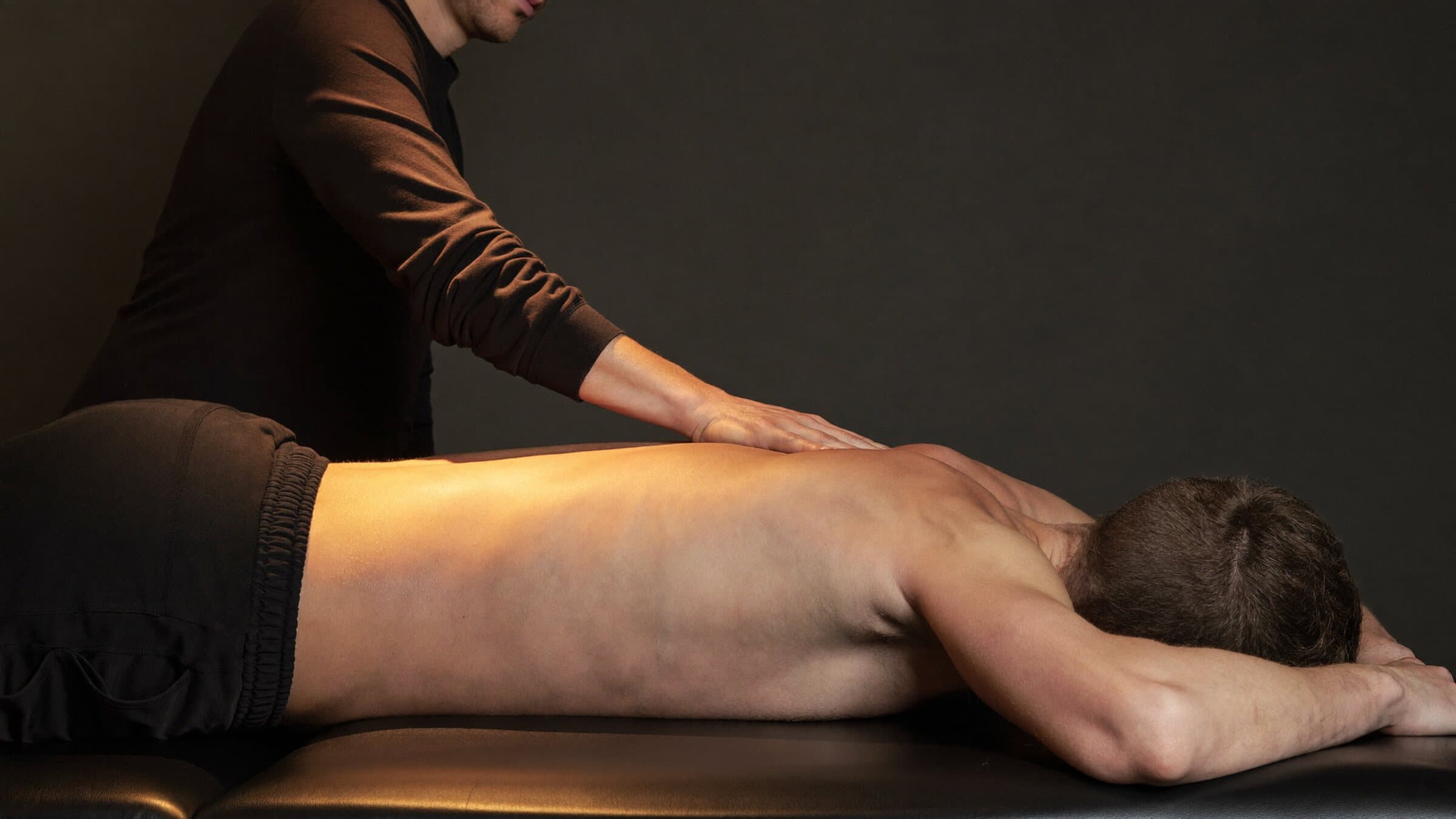
Sports Massage Versus Deep Tissue Massage
5 sections7 min read
The short answer
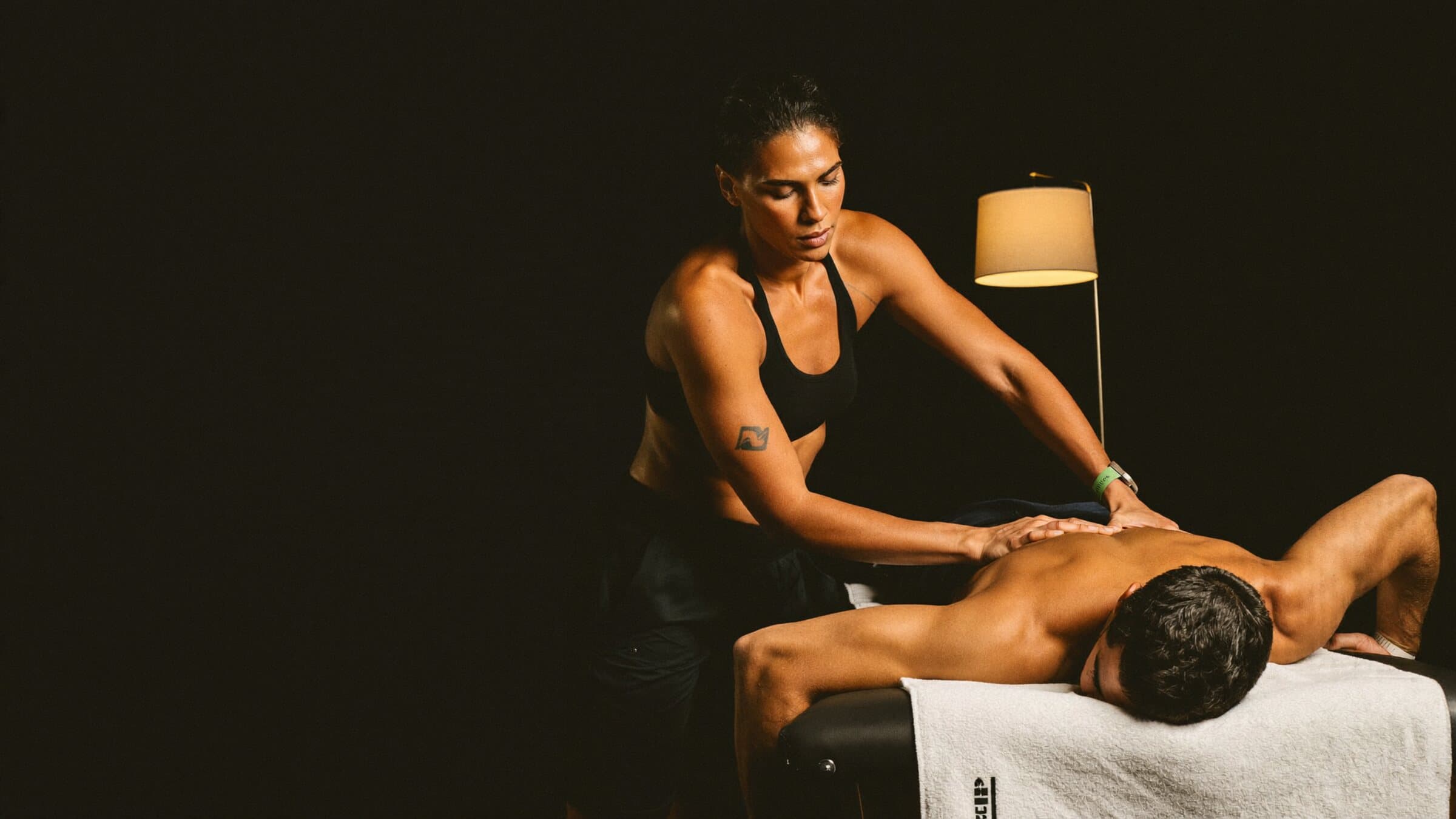
Sports massage describes a goal and context tied to activity, while deep tissue usually describes a style of working with deeper layers or sustained pressure. The categories can overlap. Deeper is not always better, especially near training or competition. At Recovery Mode, verify the current massage menu and book the listed option that matches your needs.
The choice this page clarifies
Sports massage and deep tissue massage are not clean opposites. A sports-focused session may use lighter, moderate, or deeper techniques depending on timing, body area, and feedback. A session marketed as deep tissue may still be adapted to the client. The useful comparison is purpose, provider communication, pressure tolerance, and time until the next demanding activity, not a contest over which label sounds more intensive. The practical choice depends on the experience you want, who provides it, how much control you retain, where it fits in your schedule, and what screening is needed. Neither side wins for every person. Confirm the current menu, equipment, provider credentials, price, and booking terms directly before relying on an option described here.

Compare the options by the factors that matter
Purpose and context
Sports massage is commonly framed around training, competition, repeated activity, or a selected movement demand. Deep tissue is commonly framed around technique depth, slower work, or sustained pressure. Ask what the therapist plans to do and why. A label alone does not establish a standardized protocol or a guaranteed result. Compare the actual session experience and scope, not the strongest marketing phrase. The better fit is the one that matches your desired level of contact, coverage, and participation.
Technique overlap
The techniques may overlap substantially. A licensed massage therapist can adjust pace, pressure, body area, and method within the booked service and professional scope. Sports-focused work can include deeper pressure, while deep tissue work need not be maximal or uniform. Consent and ongoing feedback should guide any change. Ask who or what controls the intensity and how quickly it can be changed. That distinction often matters more than which option sounds more advanced.
Pressure misconception
More pressure is not automatically more effective. Strong work can be uncomfortable or leave temporary tenderness, and it may be a poor fit near a race, game, heavy lift, or first-time session. You should be able to ask for less pressure immediately. Pain tolerance is not a measure of treatment quality. Place the choice on your real calendar. Allow for setup, the session itself, and how you personally respond before a demanding workout, event, drive, or work obligation.
Training timing
Close to training, describe the event, loaded areas, and hours until you need to perform. A familiar, conservative sports-focused session may be easier to place than unexpectedly strong pressure. With more time, you can observe your response. New or concerning pain still needs appropriate assessment rather than a deeper session. Screening is part of the comparison, not an afterthought. Share relevant conditions, medications, recent procedures, injuries, and unusual symptoms with the appropriate provider.
Recovery Mode booking taxonomy
Recovery Mode's current public materials should be treated as the source for bookable massage names, durations, providers, and prices. Do not assume a comparison term is a separately bookable service. Confirm whether the listed massage appointment can be tailored to your activity context during intake and in the live booking flow. Availability and commercial terms can change. Verify the exact service name, inclusions, provider, equipment, price, and cancellation terms in the current booking flow before purchasing.


Make the comparison in five steps
- 1
For Sports Massage Versus Deep Tissue Massage, name the two choices precisely. Compare experiences and booking formats, not broad labels that can mean different things.
- 2
Start with the reader's context: recent activity, desired experience, available time, tolerance for touch or temperature, and what comes next.
- 3
Check the fit and screening information for each option. A comparison page does not determine personal suitability.
- 4
Confirm live duration, provider, room setup, price, and availability in the approved booking source.
- 5
Choose the option with the clearest fit, or use Find Your Mode when the tradeoff is still unclear.
Fit, limits, and when neither option is right
Massage should not be used to delay medical evaluation. NCCIH advises people to discuss suitability with a health professional when they have relevant health conditions and to ask about the practitioner's training and credentials. A website cannot diagnose a condition, clear someone for a service, or replace emergency or clinical care. New, severe, worsening, or unexplained symptoms, fainting, breathing difficulty, chest symptoms, major swelling, loss of function, or other urgent concerns should be routed to appropriate medical care instead of a recovery booking. For Sports Massage Versus Deep Tissue Massage, follow the current service-specific screening and stop guidance rather than relying on general information alone.
Continue through the decision system
Return to Choose Your Recovery for the complete topic map.
Continue with How We Help You Choose Recovery, Sports Massage Versus Assisted Stretching, or Sports Massage Versus Sports Acupuncture when that decision is closer to your situation.
For the service or selection path, review Sports Massage in Astoria, Queens.
For Sports Massage Versus Deep Tissue Massage, the right choice can change with the day. Compare the current experience, level of guidance, time, preparation, and what you intend to do next. Use the live booking or contact source for changing details, and do not treat general information as personal medical clearance.
Other choices this library settles
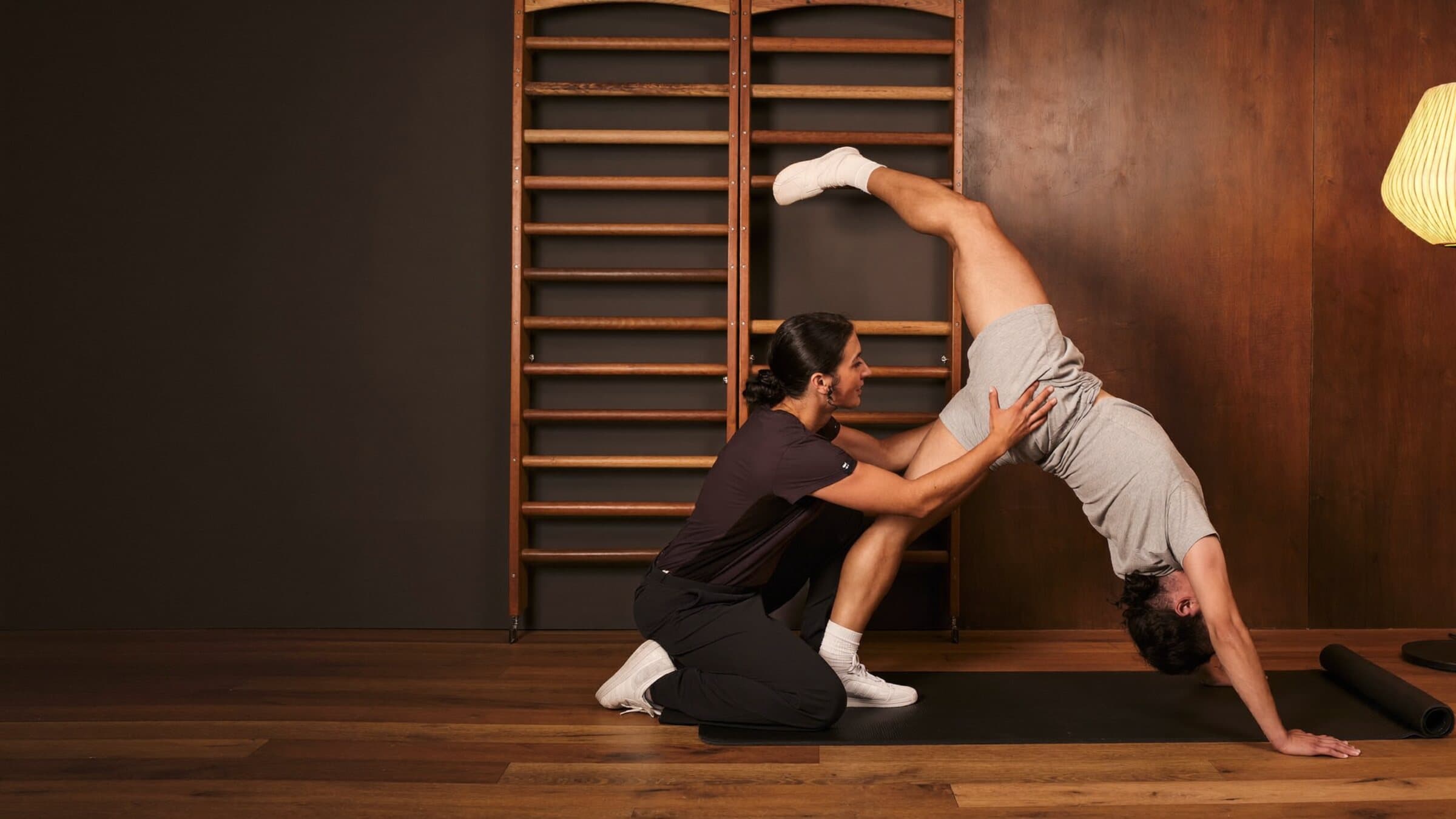
- Hands-onSports Massage Versus Assisted Stretching
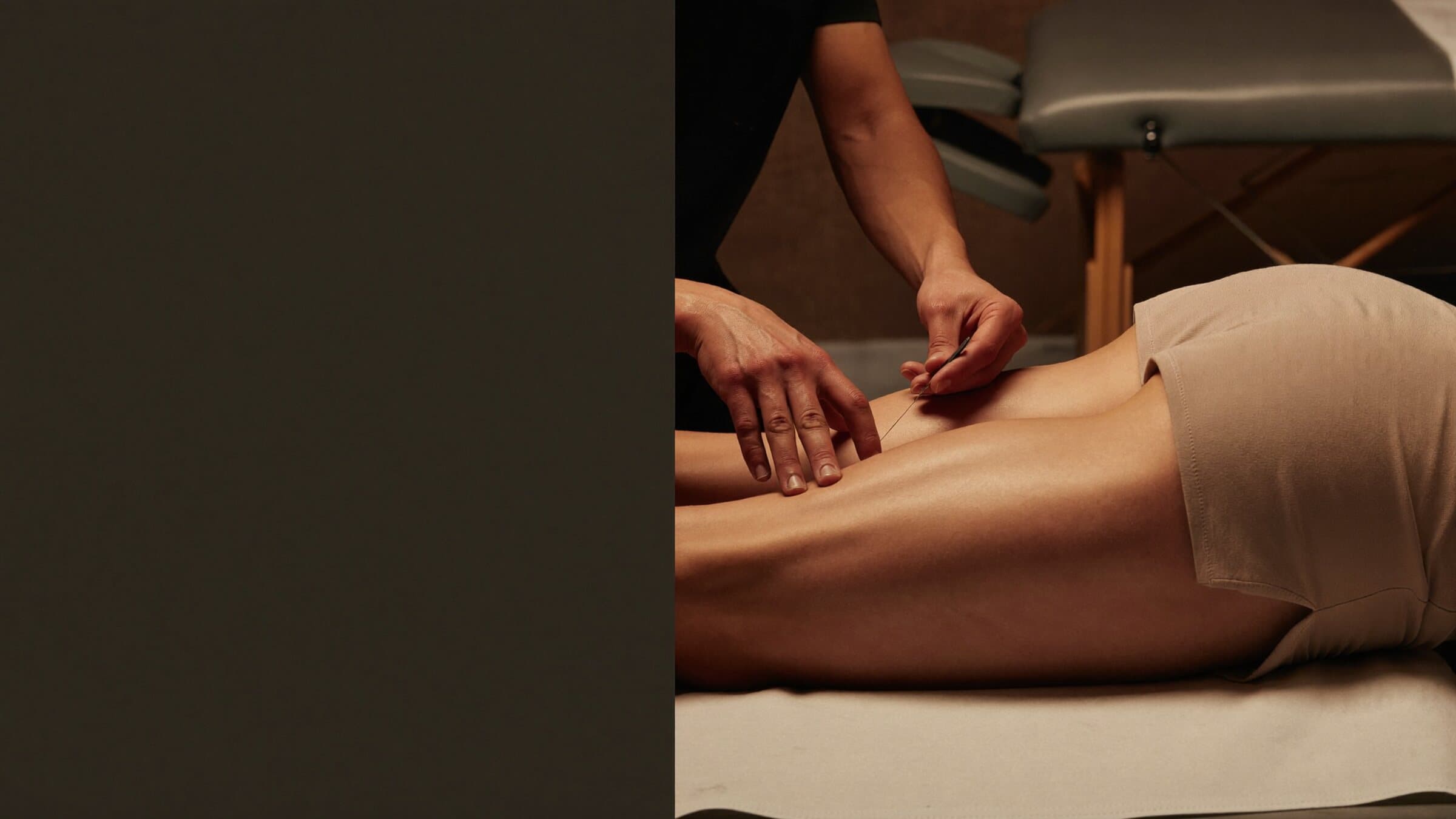
- Hands-onSports Massage Versus Sports Acupuncture
- Hands-onCupping Versus Myofascial Release
- HeatInfrared Sauna Versus Traditional Sauna
- ContrastSauna Versus Cold Plunge
- ContrastContrast Therapy Versus One Modality
- ColdCold Plunge Versus Localized Cryotherapy
- ColdLocalized Versus Whole-Body Cryotherapy
- PressureCompression Boots Versus Sports Massage
- PressureCompression Boots Versus a Massage Gun



Frequently asked questions
Sports massage is organized around activity context, timing, and selected movement demands. Deep tissue usually refers to slower or more sustained work at greater depth. Because providers may combine techniques, the practical goals can overlap. Use that distinction to match the experience rather than to predict a health outcome.
Yes. A sports-focused massage may include deeper work when it fits the body area, timing, provider judgment, and your consent. It can also remain lighter. The label does not require one fixed pressure throughout. Ask how controls, provider involvement, and your ability to stop differ in practice.
No. Deeper pressure can feel too intense, create temporary tenderness, or conflict with a near-term performance need. Useful pressure is pressure you can tolerate while communicating normally, and it should be adjusted when requested. Confirm the exact protocol and leave enough time to observe your own response.
A sports-focused, familiar, conservative session may be easier to plan close to training because the activity and timing are central to intake. Strong or unfamiliar deep work deserves more margin before a key session. Complete option-specific screening and share relevant conditions, medications, and recent procedures.
Verify the current booking menu rather than assuming both comparison labels are separate appointments. Recovery Mode may list a massage service that can be discussed and tailored during intake. Current names, providers, durations, and prices require direct confirmation. Verify every current commercial and operational detail directly before purchasing or arriving.
Next step
For Sports Massage Versus Deep Tissue Massage, confirm the current service details, responsible provider, screening, and personal-fit questions before reserving. Use Book Your Recovery Session for an operational question, and use an appropriate health professional for medical clearance or symptoms that need evaluation.
Reserve a session
Current durations, prices, providers, and availability live in the booking system, not on this page.
Booking is handled by Acuity Scheduling. Nothing on this page is medical advice or clearance to participate.
Sources and review basis
- Sports Massage(opens in a new tab)
First Party Web. Supports: The official sports massage page describes sports massage as a bookable service and mentions cupping, deep tissue, and myofascial release. Limits: Provider assignment, current price, and licensing require verification.
- Massage Evidence And Safety(opens in a new tab)
Official Health Source. Supports: Massage evidence and safety language should remain qualified and avoid guaranteed outcomes. Limits: Does not substantiate a Recovery Mode outcome claim.
- Massage Licensing(opens in a new tab)
Official Regulator. Supports: New York law controls massage therapist licensure and titles. Limits: Individual registrations remain to be verified.
- Recovery Mode sports massage page(opens in a new tab)
Recovery Mode. Supports: Sports massage formats, techniques represented, durations, and prices shown on the current page.
- Massage Therapy: What You Need To Know(opens in a new tab)
National Center for Complementary and Integrative Health. Supports: Evidence limits, safety considerations, and questions to ask a massage practitioner.
- New York massage therapy license requirements(opens in a new tab)
New York State Education Department. Supports: Massage therapy is a licensed profession in New York and the published licensure requirements.