
Sports Massage Versus Assisted Stretching
5 sections7 min read
The short answer
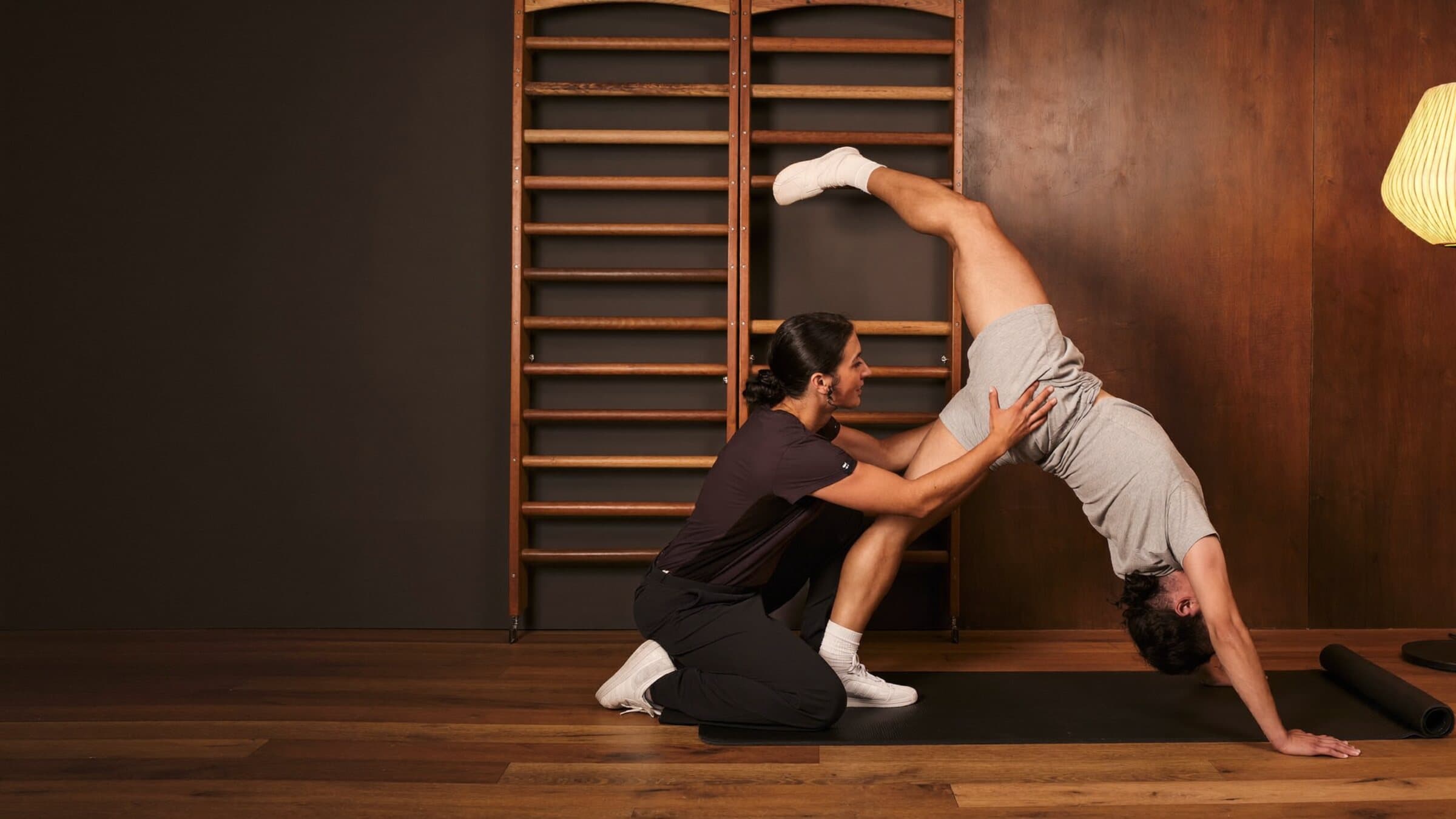
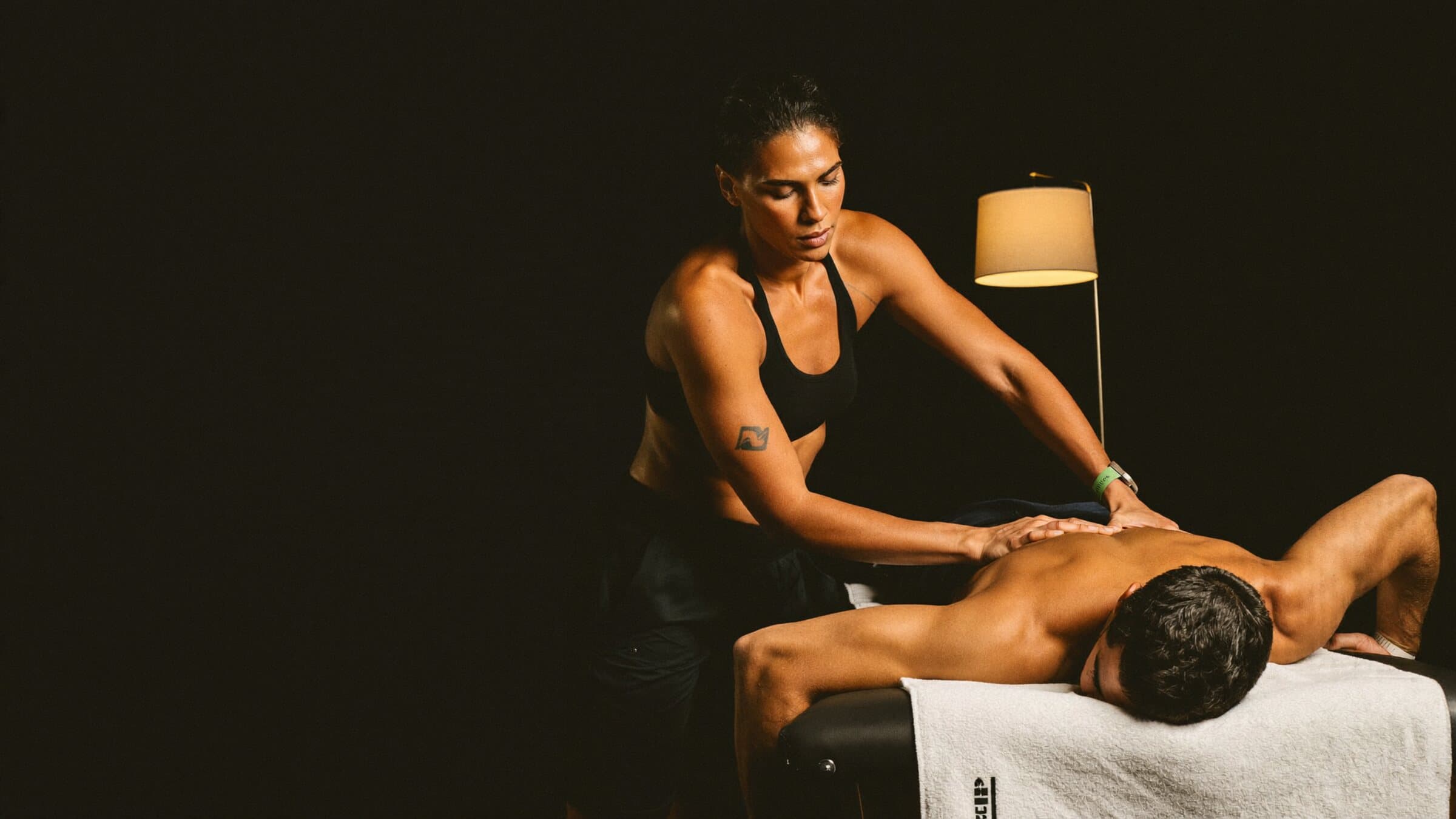
Sports massage uses practitioner-applied manual techniques, while assisted stretching centers on guided joint movement and your response through range. Massage is usually more passive; stretching often requires more active communication and position changes. Clothing, comfort, timing, and movement goals differ. Confirm whether assisted stretching is currently a separate bookable Recovery Mode service.
The choice this page clarifies
These experiences can both involve a provider and a treatment table, but the session mechanics are different. Sports massage applies pressure and manual techniques to selected areas. Assisted stretching moves one or more joints through controlled ranges with ongoing feedback. Your choice should reflect whether you want tissue-focused contact or movement-focused guidance, how much participation feels comfortable, what you plan to do afterward, and what is actually available to book. The practical choice depends on the experience you want, who provides it, how much control you retain, where it fits in your schedule, and what screening is needed. Neither side wins for every person. Confirm the current menu, equipment, provider credentials, price, and booking terms directly before relying on an option described here.

Compare the options by the factors that matter
Hands-on pressure versus guided movement
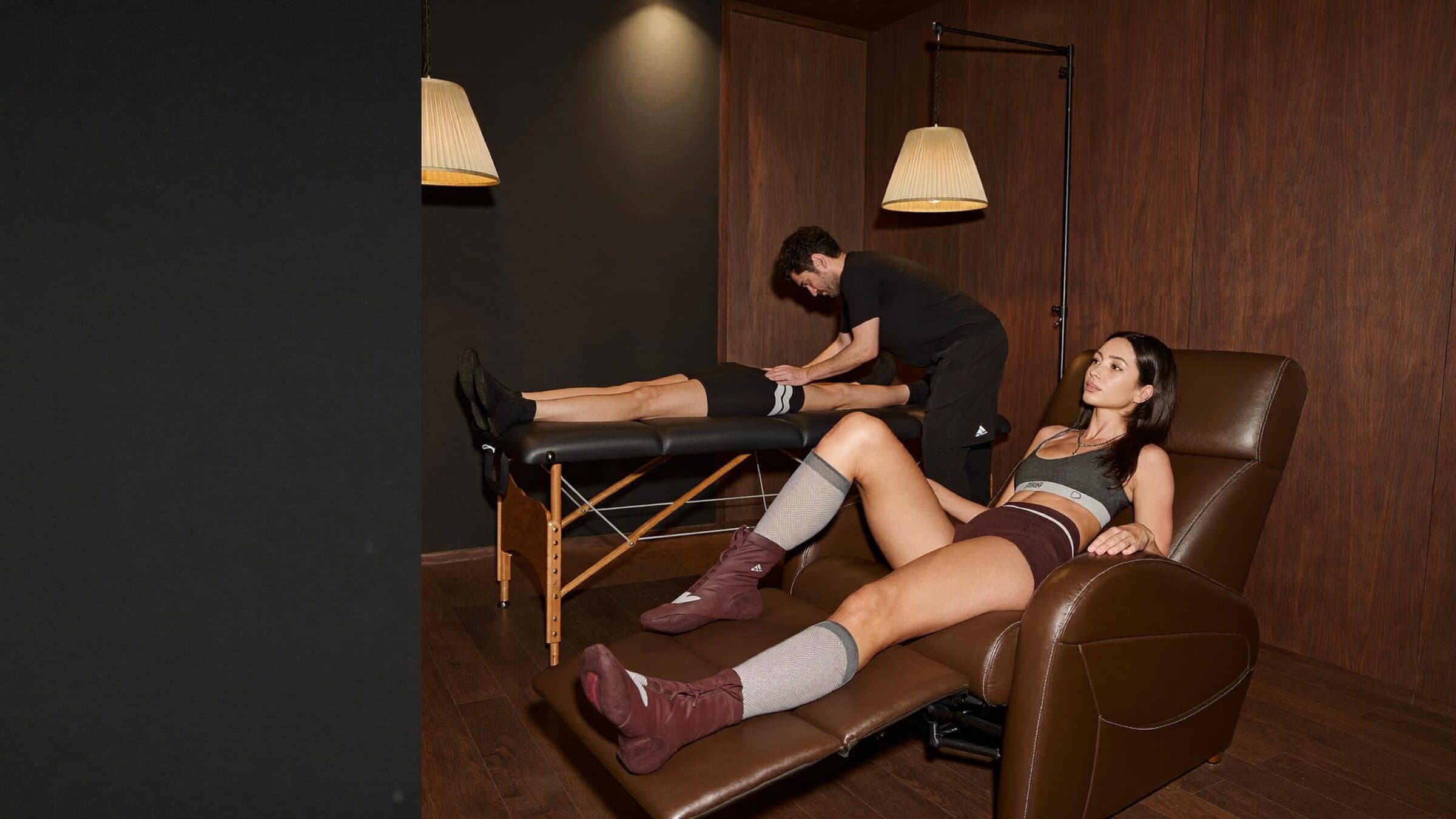
Massage centers on touch, pressure, pace, and selected body areas, with the therapist applying manual techniques while you remain mostly passive. Assisted stretching centers on positioning and guided movement through a range. The provider and client must communicate about tension, pain, control, and where the movement should stop. Compare the actual session experience and scope, not the strongest marketing phrase. The better fit is the one that matches your desired level of contact, coverage, and participation.
Passive and active participation
You are generally more passive during massage, although feedback about pressure and comfort remains essential. Assisted stretching often asks you to reposition, relax a muscle, contract gently, or report the edge of comfortable range. Neither session should require you to endure pain or surrender control over the movement. Ask who or what controls the intensity and how quickly it can be changed. That distinction often matters more than which option sounds more advanced.
Clothing and session feel
Massage draping and clothing depend on the booked service, provider practice, body area, and your consent. Assisted stretching is often performed in flexible athletic clothing because positions and joint movement are central. Confirm clothing instructions before arrival, and choose garments that allow comfortable movement without unwanted exposure. Place the choice on your real calendar. Allow for setup, the session itself, and how you personally respond before a demanding workout, event, drive, or work obligation.
Goal fit
Choose massage when selected-area pressure and a mostly passive experience fit your preference. Choose assisted stretching when guided movement, range feedback, and greater participation fit the goal. Neither label guarantees improved mobility, and sharp, unstable, or neurologic symptoms should be evaluated before either experience. Screening is part of the comparison, not an afterthought. Share relevant conditions, medications, recent procedures, injuries, and unusual symptoms with the appropriate provider.
Current availability
Do not infer bookability from the comparison itself. Check Recovery Mode's current service menu for an exact assisted stretching appointment, provider, duration, price, and intake process. If it is not listed, ask whether stretching may be incorporated within another qualified provider's scope rather than assuming a standalone service. Availability and commercial terms can change. Verify the exact service name, inclusions, provider, equipment, price, and cancellation terms in the current booking flow before purchasing.

Make the comparison in five steps
- 1
For Sports Massage Versus Assisted Stretching, name the two choices precisely. Compare experiences and booking formats, not broad labels that can mean different things.
- 2
Start with the reader's context: recent activity, desired experience, available time, tolerance for touch or temperature, and what comes next.
- 3
Check the fit and screening information for each option. A comparison page does not determine personal suitability.
- 4
Confirm live duration, provider, room setup, price, and availability in the approved booking source.
- 5
Choose the option with the clearest fit, or use Find Your Mode when the tradeoff is still unclear.
Fit, limits, and when neither option is right
Massage should not be used to delay medical evaluation. NCCIH advises people to discuss suitability with a health professional when they have relevant health conditions and to ask about the practitioner's training and credentials. A website cannot diagnose a condition, clear someone for a service, or replace emergency or clinical care. New, severe, worsening, or unexplained symptoms, fainting, breathing difficulty, chest symptoms, major swelling, loss of function, or other urgent concerns should be routed to appropriate medical care instead of a recovery booking. For Sports Massage Versus Assisted Stretching, follow the current service-specific screening and stop guidance rather than relying on general information alone.
Continue through the decision system
Return to Choose Your Recovery for the complete topic map.
Continue with Recovery Day Pass Versus One Service, Membership Versus Package Versus Drop-In, or How We Help You Choose Recovery when that decision is closer to your situation.
For the service or selection path, review Sports Massage in Astoria, Queens.
For Sports Massage Versus Assisted Stretching, the right choice can change with the day. Compare the current experience, level of guidance, time, preparation, and what you intend to do next. Use the live booking or contact source for changing details, and do not treat general information as personal medical clearance.
Other choices this library settles
- Hands-onSports Massage Versus Deep Tissue Massage
- Hands-onSports Massage Versus Sports Acupuncture
- Hands-onCupping Versus Myofascial Release
- HeatInfrared Sauna Versus Traditional Sauna
- ContrastSauna Versus Cold Plunge
- ContrastContrast Therapy Versus One Modality
- ColdCold Plunge Versus Localized Cryotherapy
- ColdLocalized Versus Whole-Body Cryotherapy
- PressureCompression Boots Versus Sports Massage
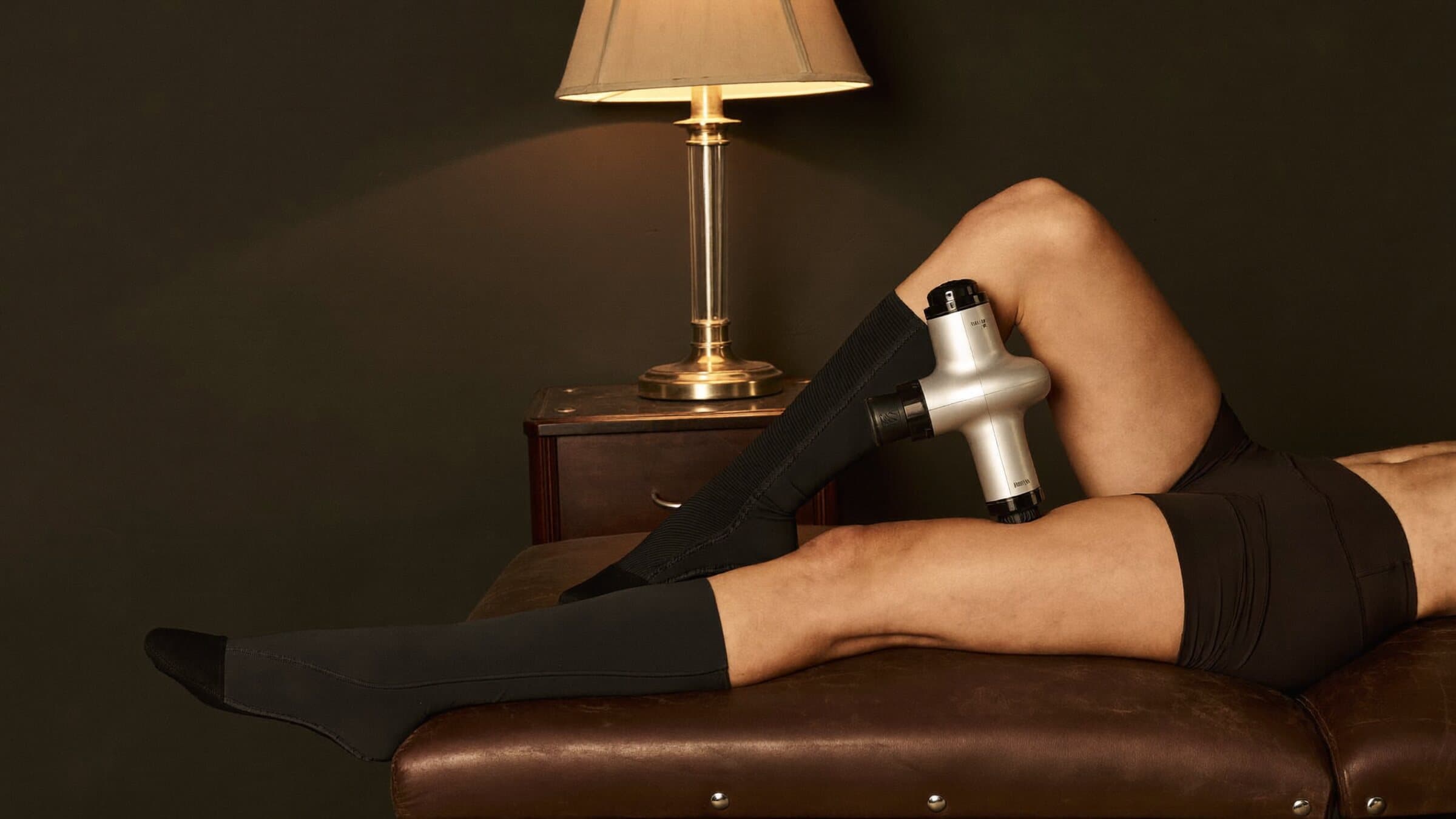
- PressureCompression Boots Versus a Massage Gun


Frequently asked questions
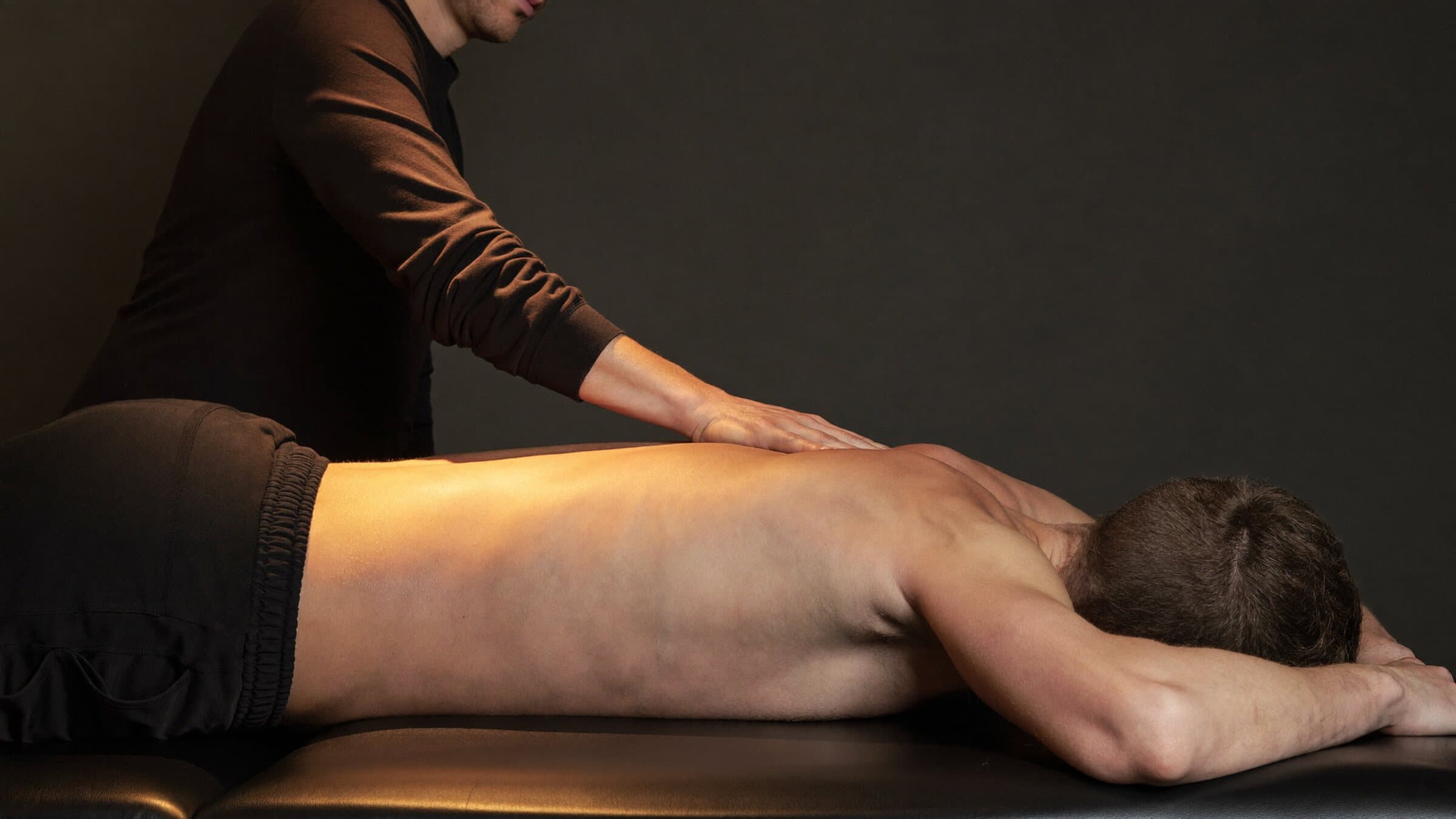
Massage uses manual pressure and techniques on selected areas while you remain mostly passive. Assisted stretching uses guided joint movement and position changes, so you usually provide more continuous feedback about range, tension, and control. Use that distinction to match the experience rather than to predict a health outcome.
Assisted stretching usually requires more participation because you reposition, follow cues, and help define a comfortable range. Massage still requires active consent and pressure feedback, even though the body is generally more passive. Ask how controls, provider involvement, and your ability to stop differ in practice.
Flexible athletic clothing is often practical for assisted stretching. Massage clothing and draping depend on the service and your preferences. Confirm instructions before arrival and communicate any coverage or positioning concern during intake. Confirm the exact protocol and leave enough time to observe your own response.
Massage better matches a preference for tissue-focused manual contact and selected-area pressure. Assisted stretching better matches a preference for guided movement and range exploration. Neither is universally better, and the provider must respect comfort and screening. Complete option-specific screening and share relevant conditions, medications, and recent procedures.
Current availability must be verified in Recovery Mode's live booking menu. A comparison does not mean assisted stretching is separately bookable. Confirm the exact service name, qualified provider, duration, price, and what the session includes. Verify every current commercial and operational detail directly before purchasing or arriving.
Next step
For Sports Massage Versus Assisted Stretching, confirm the current service details, responsible provider, screening, and personal-fit questions before reserving. Use Book Your Recovery Session for an operational question, and use an appropriate health professional for medical clearance or symptoms that need evaluation.
Reserve a session
Current durations, prices, providers, and availability live in the booking system, not on this page.
Booking is handled by Acuity Scheduling. Nothing on this page is medical advice or clearance to participate.
Sources and review basis
- Sports Massage(opens in a new tab)
First Party Web. Supports: The official sports massage page describes sports massage as a bookable service and mentions cupping, deep tissue, and myofascial release. Limits: Provider assignment, current price, and licensing require verification.
- Legal Entity And Service Boundary(opens in a new tab)
First Party Legal. Supports: Current terms identify Portable Physical Therapy P.C. doing business as Recovery Mode and state that website content is not diagnosis or emergency care. Limits: Terms need counsel review against actual service entities and booking flow.
- Massage Licensing(opens in a new tab)
Official Regulator. Supports: New York law controls massage therapist licensure and titles. Limits: Individual registrations remain to be verified.
- Recovery Mode sports massage page(opens in a new tab)
Recovery Mode. Supports: Sports massage formats, techniques represented, durations, and prices shown on the current page.
- Massage Therapy: What You Need To Know(opens in a new tab)
National Center for Complementary and Integrative Health. Supports: Evidence limits, safety considerations, and questions to ask a massage practitioner.
- New York massage therapy license requirements(opens in a new tab)
New York State Education Department. Supports: Massage therapy is a licensed profession in New York and the published licensure requirements.
- Physical Activity Guidelines for Americans(opens in a new tab)
U.S. Department of Health and Human Services. Supports: Evidence-based physical activity guidance and the role of gradual, appropriate activity.
- Stretching to Prevent or Reduce Muscle Soreness After Exercise(opens in a new tab)
PubMed. Supports: Randomized evidence does not show a clinically important reduction in post-exercise soreness from stretching before or after exercise.