
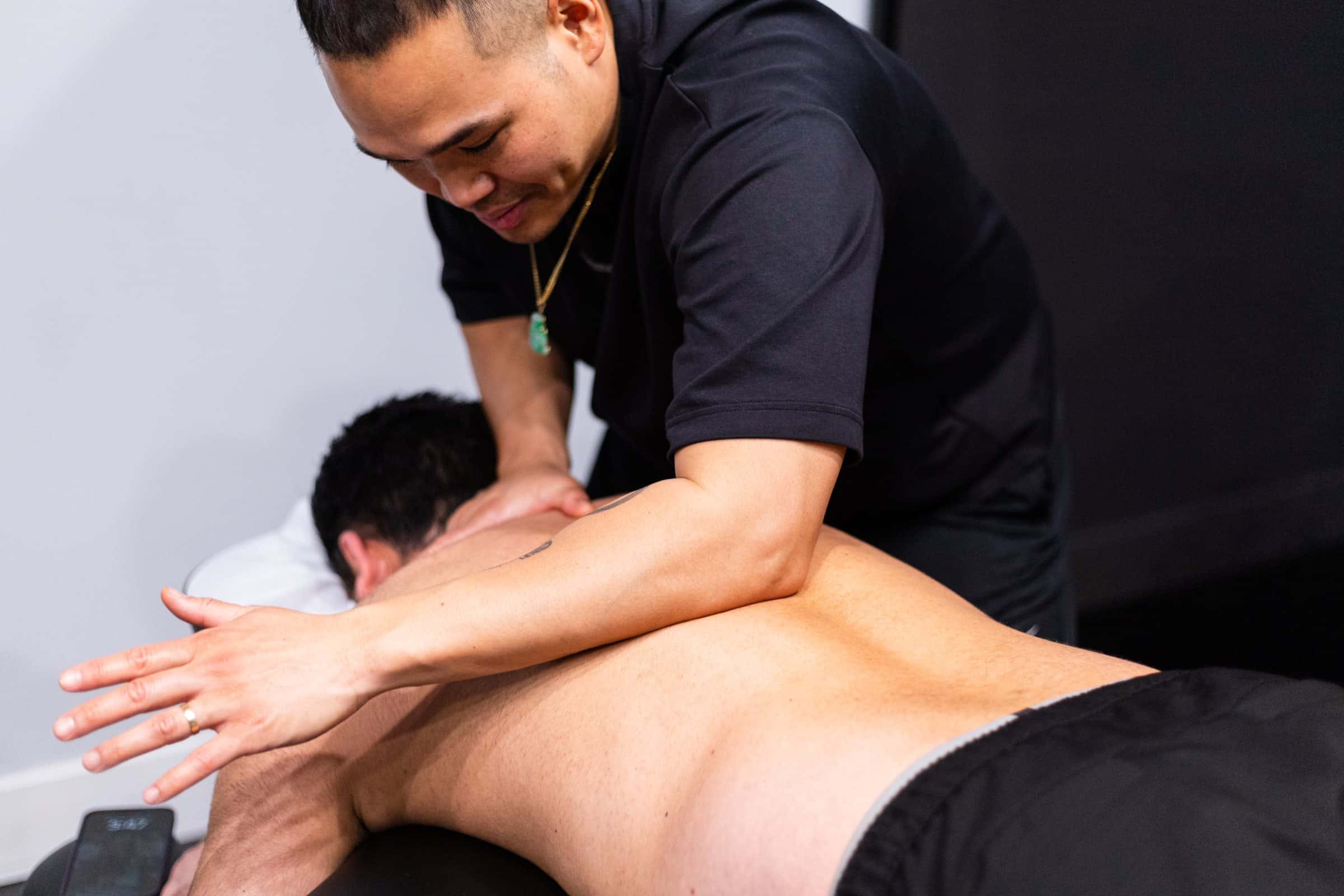
Sports massage in Astoria, Queens
Sports massage, aimed where it hurts
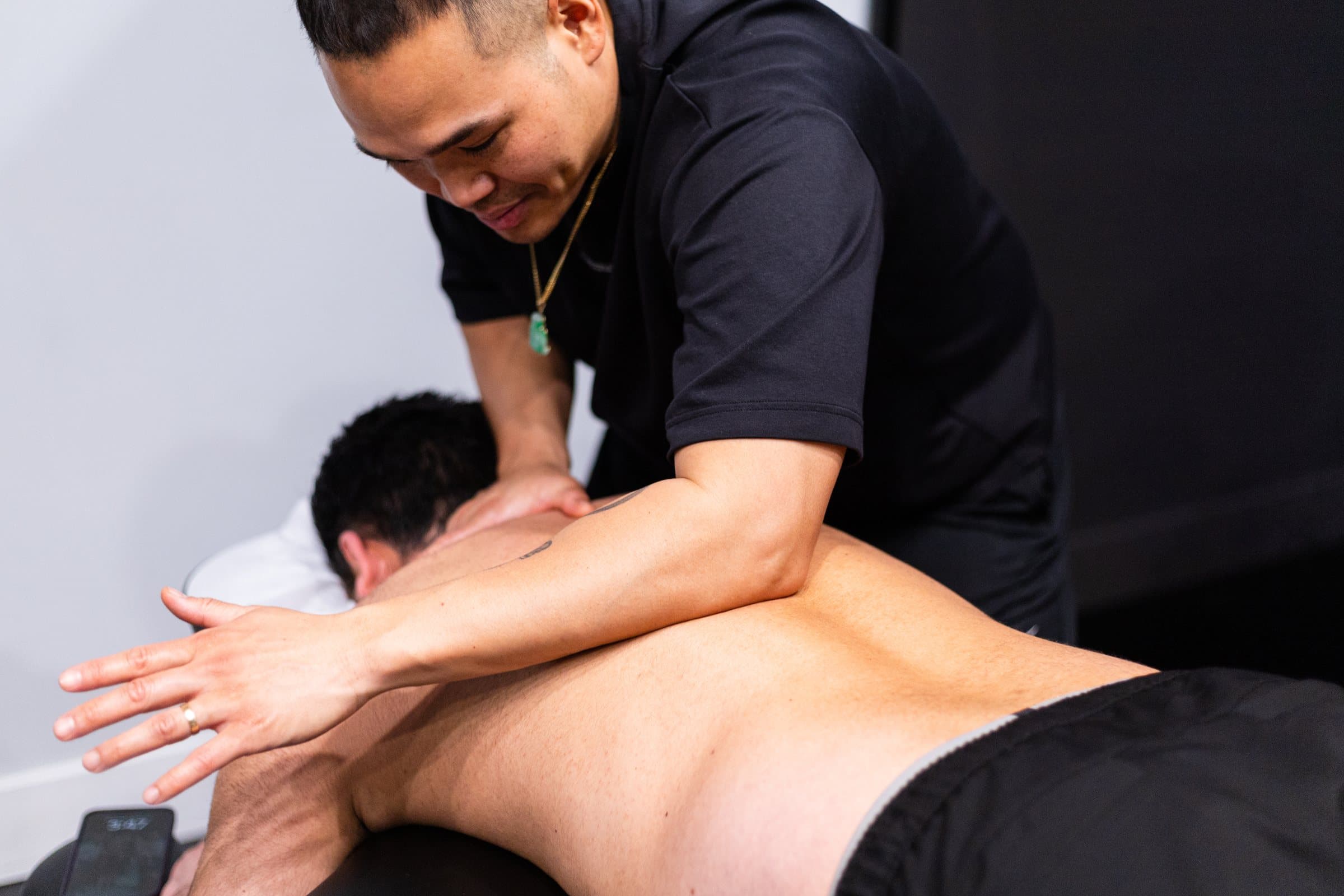
Targeted hands-on treatment combining deep tissue massage, myofascial release, and cupping to relieve muscle tension, improve mobility, and support recovery. Ideal for muscular tightness, post-workout soreness, and everyday physical demands.
- Techniques
- Deep tissue, cupping, myofascial release, stretch therapy
- Focus areas
- Spine, upper body or lower body
- Session lengths
- 30 min, 60 min, 2 hr
- Wear
- Tank top or sports bra, and shorts
Choose your focus
Where do you feel it?
Spine
Lower back pain, stiffness, and posture that has suffered from sitting or repetitive movement.
Upper body
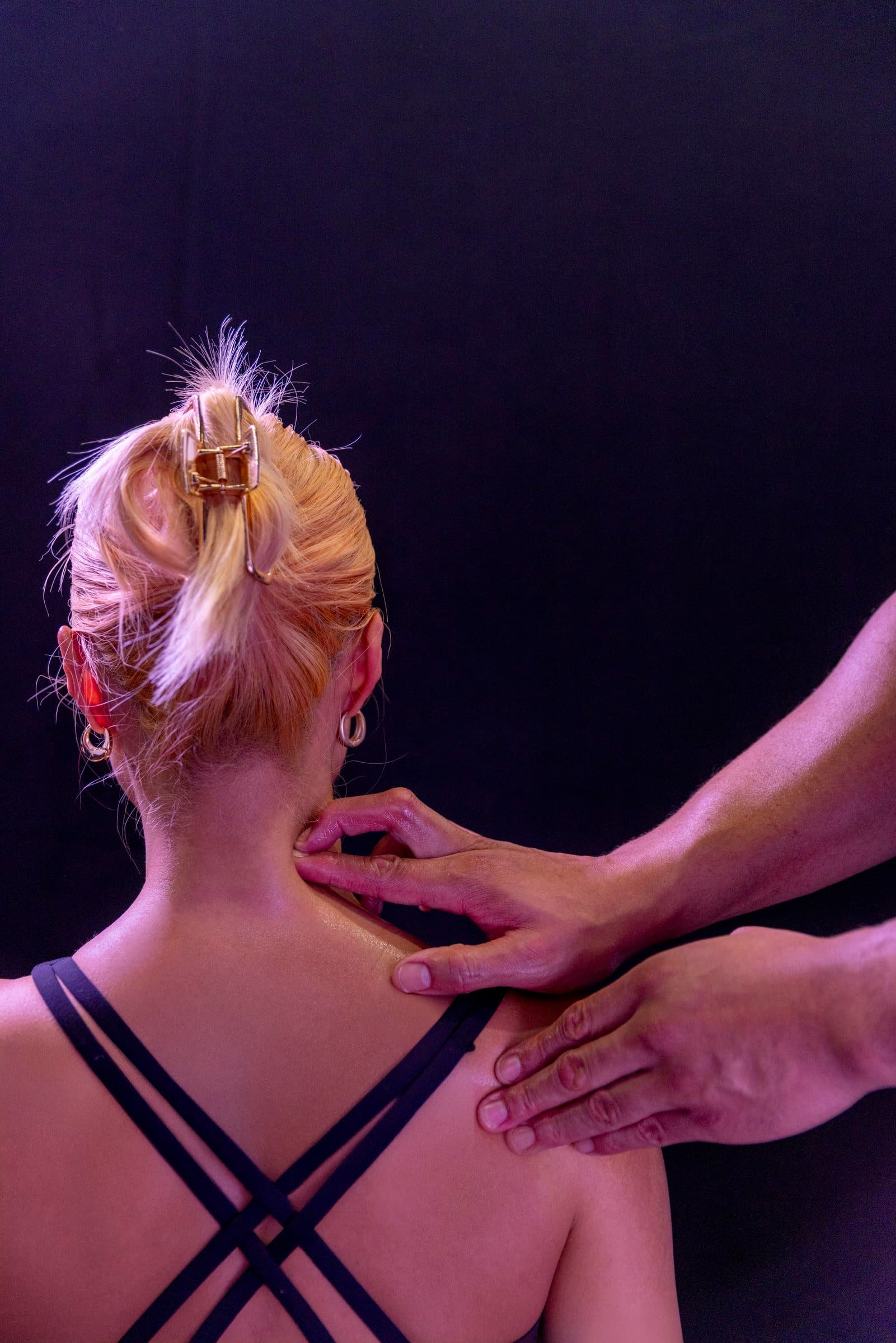
Shoulders, neck and upper back, for tension from desk work or lifting.
CoversNeck, shoulders and upper back.
Lower body
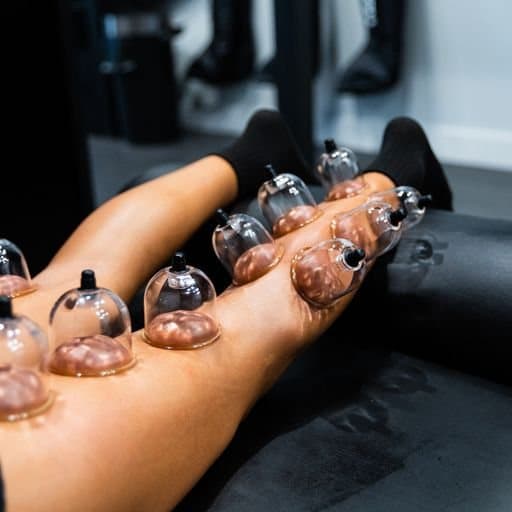
Legs, hips and glutes, for muscles tightened by running, training or long days on your feet.
CoversCalves, hamstrings, quads, hips and glutes.
Not sure which area? Say so when you arrive and your therapist will work it out with you.
Who comes in
Built around how you train
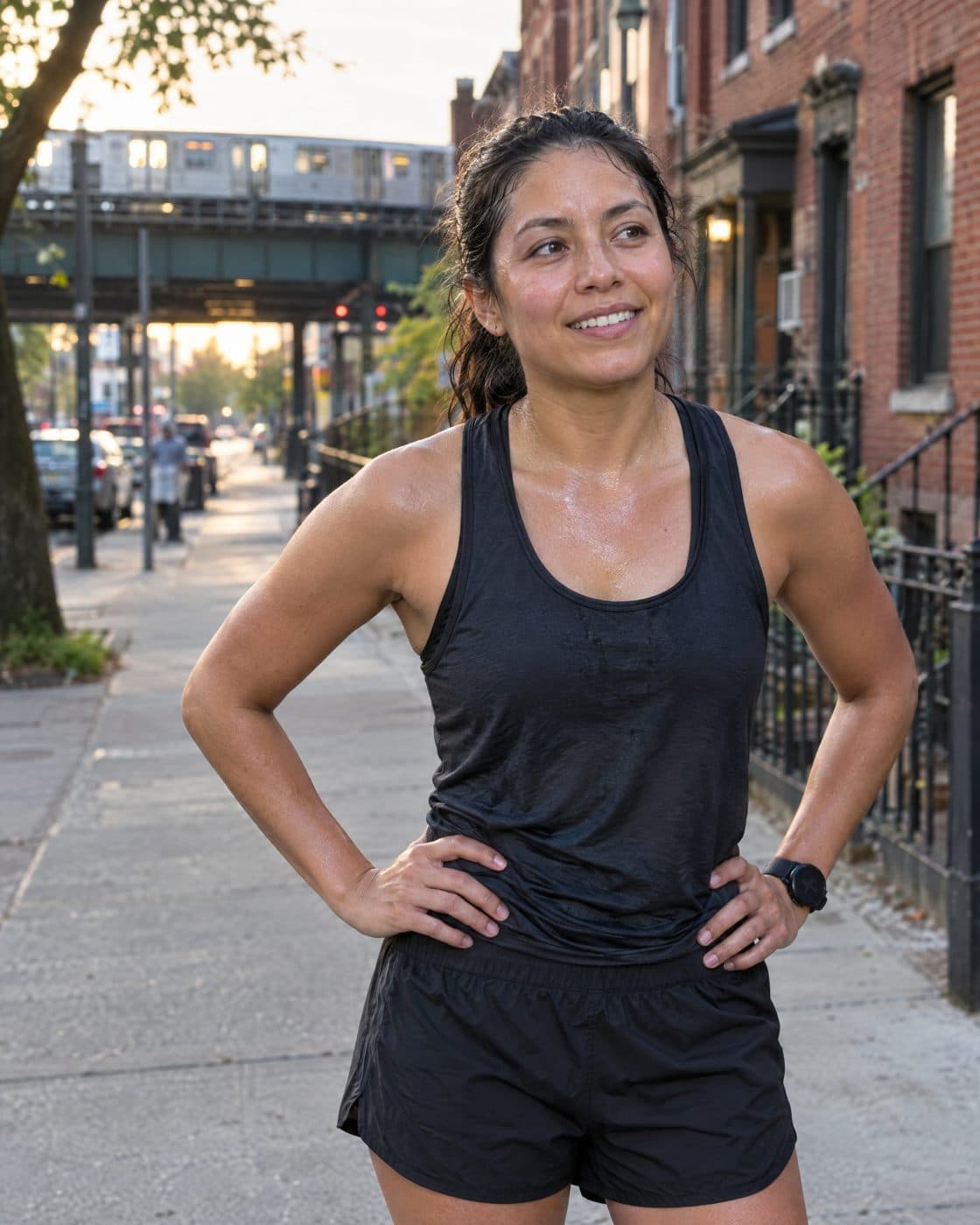
Runners
Calves, hamstrings, hips and glutes that take the miles.
Runner’s Recovery Special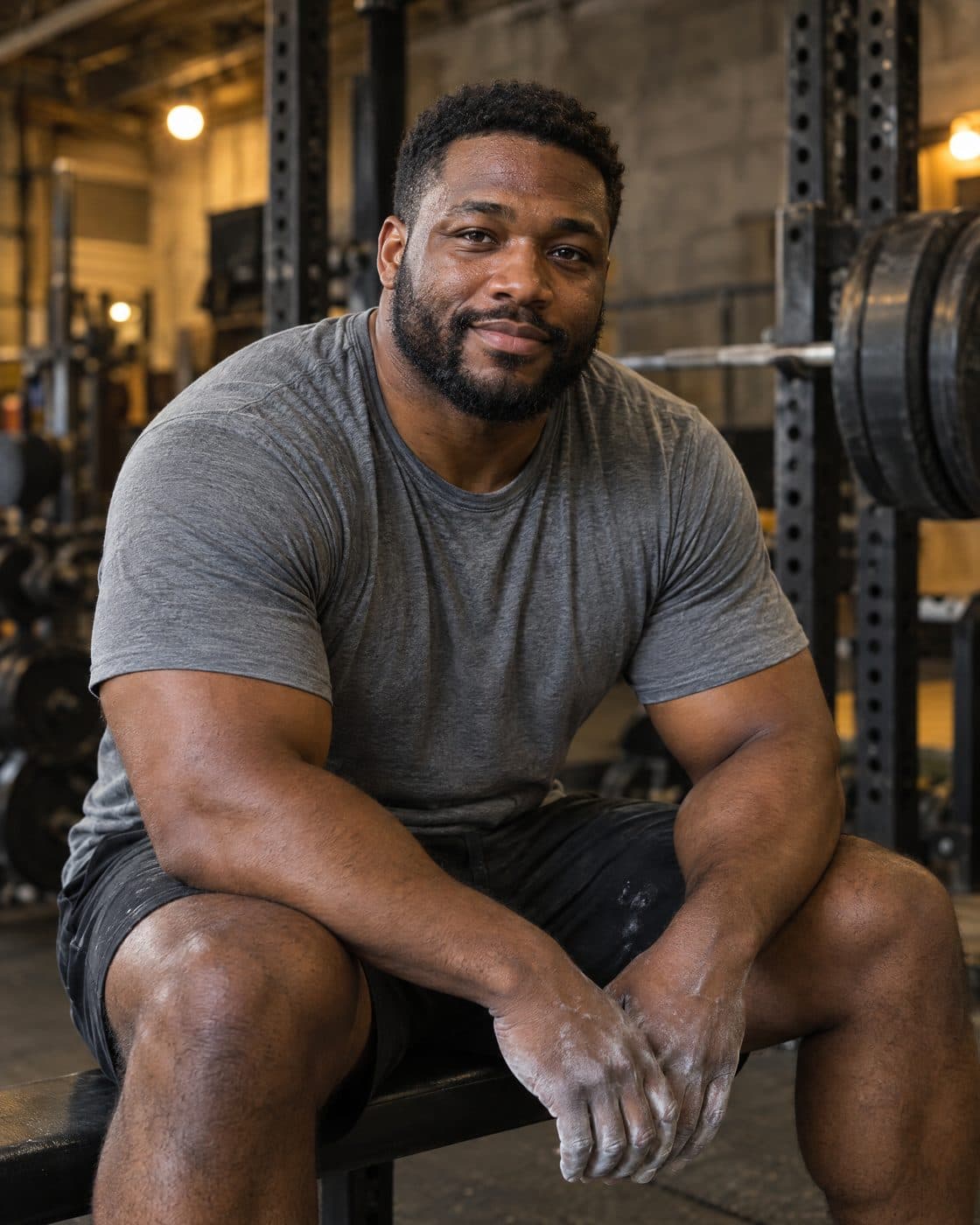
Lifters
Tightness that builds up from heavy training weeks.
Signature Sports Massage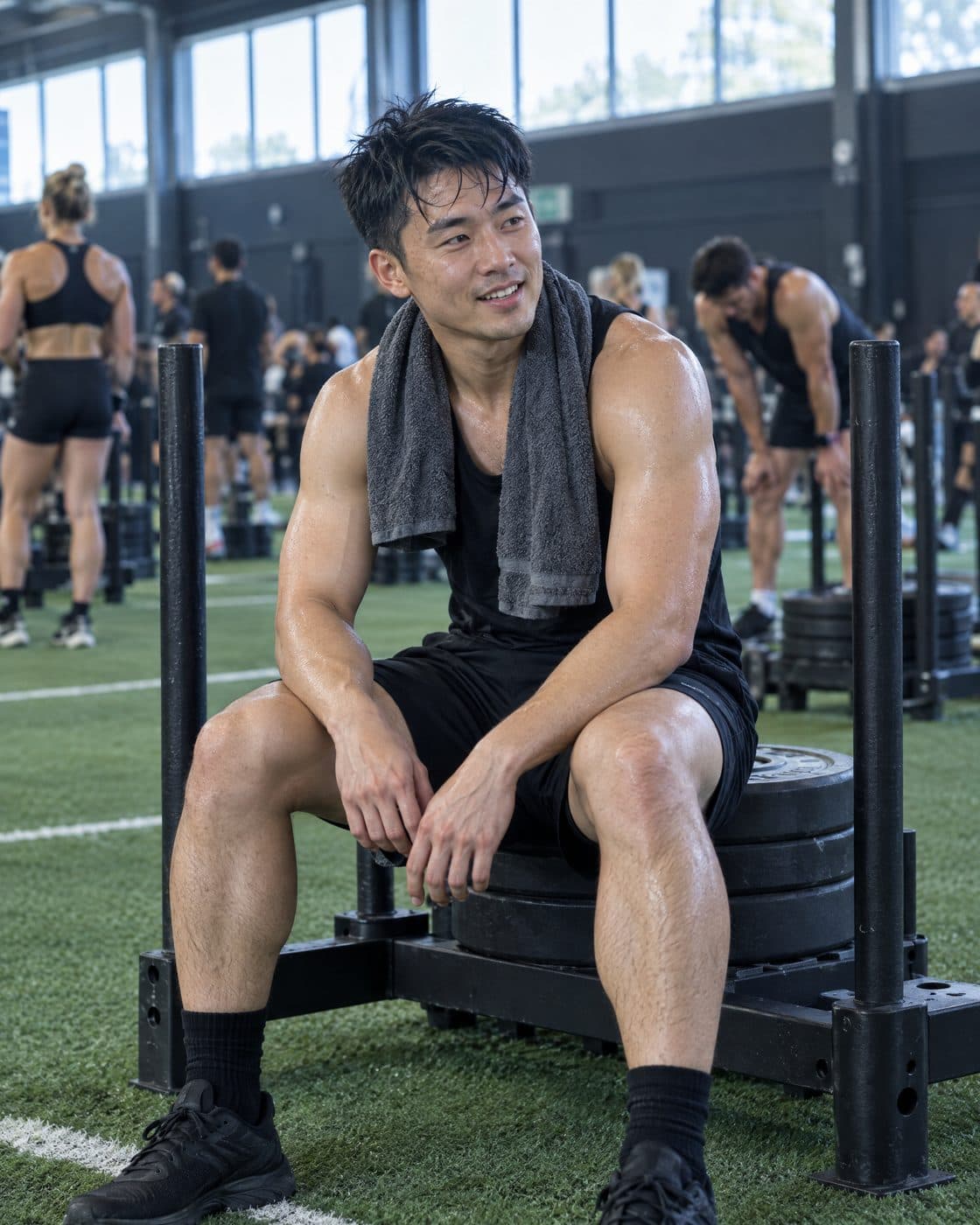
HYROX athletes
Legs, shoulders and grip that carry the runs, sleds and wall balls.
Signature Sports Massage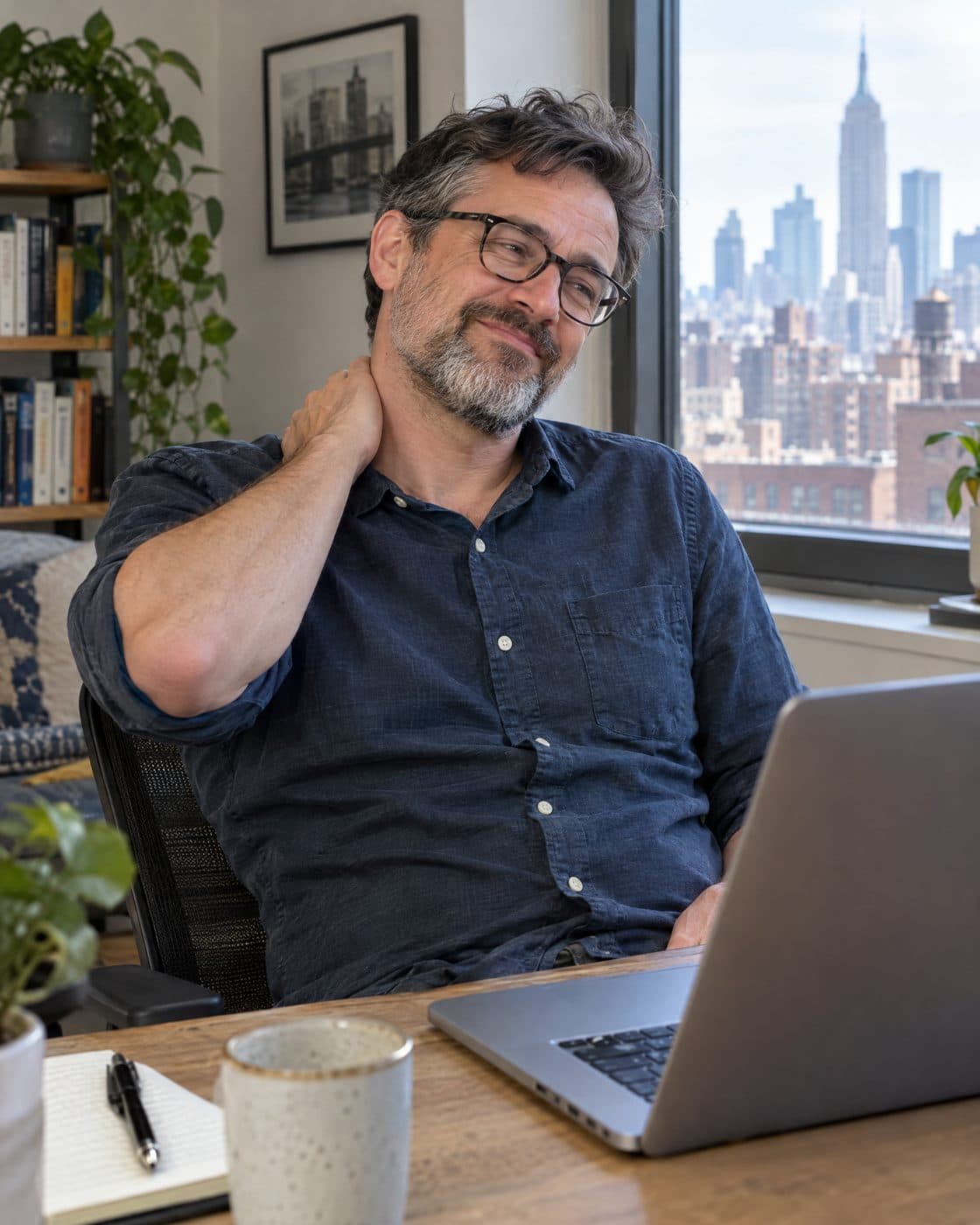
Desk workers
Neck, shoulders and back that carry a day at the desk.
Signature Sports Massage
How a session runs
Talk it through
Where it is tight, what you have been training, what keeps nagging.
Target
Work goes to the area you chose.
Treat
Deep tissue, cupping and myofascial release on the tissue that needs it.
Move
Assisted stretching and active movement, aimed at range of motion you can use.
Your session is with one of the studio’s licensed massage therapists. Recovery Mode was founded by two Doctors of Physical Therapy, Dr. Keith Lee and Dr. Vivian Huang, who perform the Advanced Sports Therapy sessions themselves. Meet the team.
The details
01
What the techniques do
Most sessions combine several techniques. Deep tissue work gets into dense, overworked muscle. Cupping uses suction to lift tissue in areas that feel stuck. Myofascial release applies slow, sustained pressure to the connective tissue around muscle. Assisted stretching and active movement close out the session, aimed at the range of motion you actually use.
02
Which session to book
- New to Recovery Mode: the new client session, at an introductory rate, on your first visit only.
- One area that keeps nagging: the Signature Sports Massage.
- Short on time: the Rapid Recovery session.
- Several areas at once, or coming off a race: the Full Body Sports Massage.
- Training for a distance: the Runner’s Recovery Special, which finishes in the Normatec boots.
03
How often to come in
If you are working through a specific injury, once or twice a week until it settles is typical. For maintenance, every two weeks to once a month is enough for most people. For marathon runners in a training block, Dr. Vivian Huang, DPT, suggests a session every three to four weeks as a starting point, timed for a step-back week or a few days after a key long run.
How often runners should get a sports massage04
Afterward
Drink plenty of water, keep to gentle movement like walking or light stretching, and skip anything strenuous for the next few hours. Avoid alcohol for the rest of the day and keep caffeine moderate. After cupping you may feel more tired than usual, or a little achy. Both pass.
More aftercare and cupping questions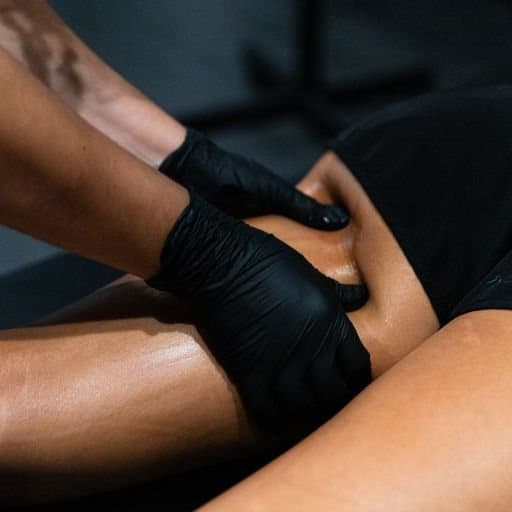
Is a sports massage only for athletes?
- No. It suits anyone whose body is under regular load: runners, lifters, people who play weekend sports, and people who sit at a desk all day and feel it in their neck and back.
Will cupping leave marks?
- It can. Light pink marks fade within minutes to an hour. Darker red marks usually fade over three days to a week, and can take up to two weeks over an area with a longstanding problem. With regular cupping the marks tend to get lighter over time.
What is the difference between sports massage and deep tissue massage?
- Deep tissue massage focuses on persistent tension in a specific area. Sports massage works from your activity, training load and recovery needs, and often uses deep tissue work as one of several techniques alongside cupping, myofascial release and stretching.
Does it hurt?
- Deep work can be uncomfortable in very tight areas, but it should never be more than you can breathe through. Tell your therapist and they will adjust the pressure. You set the limit.
What should I wear for a sports massage?
- A tank top or sports bra and shorts, so your therapist can reach the areas you want worked on.
Written by Dr. Vivian Huang, DPT
Sports massage guides from Dr. Vivian Huang, DPT
Sports Massage vs. Deep Tissue Massage: What's the Difference?
Sports massage and deep tissue massage are often used interchangeably, but they're not exactly the same.
Read the guideHYROX Recovery Guide: How to Recover Between Training Sessions
Training for HYROX can leave you sore in places you didn't expect.
Read the guide8 Marathon Training Recovery Mistakes That Could Be Slowing You Down
Marathon training asks a lot from your body.
Read the guideHow Often Should Runners Get a Sports Massage During Marathon Training?
For most marathon runners, scheduling a sports massage every 3 to 4 weeks throughout a training block is a good place to start.
Read the guide
Tell us where it hurts.
Pairs well with
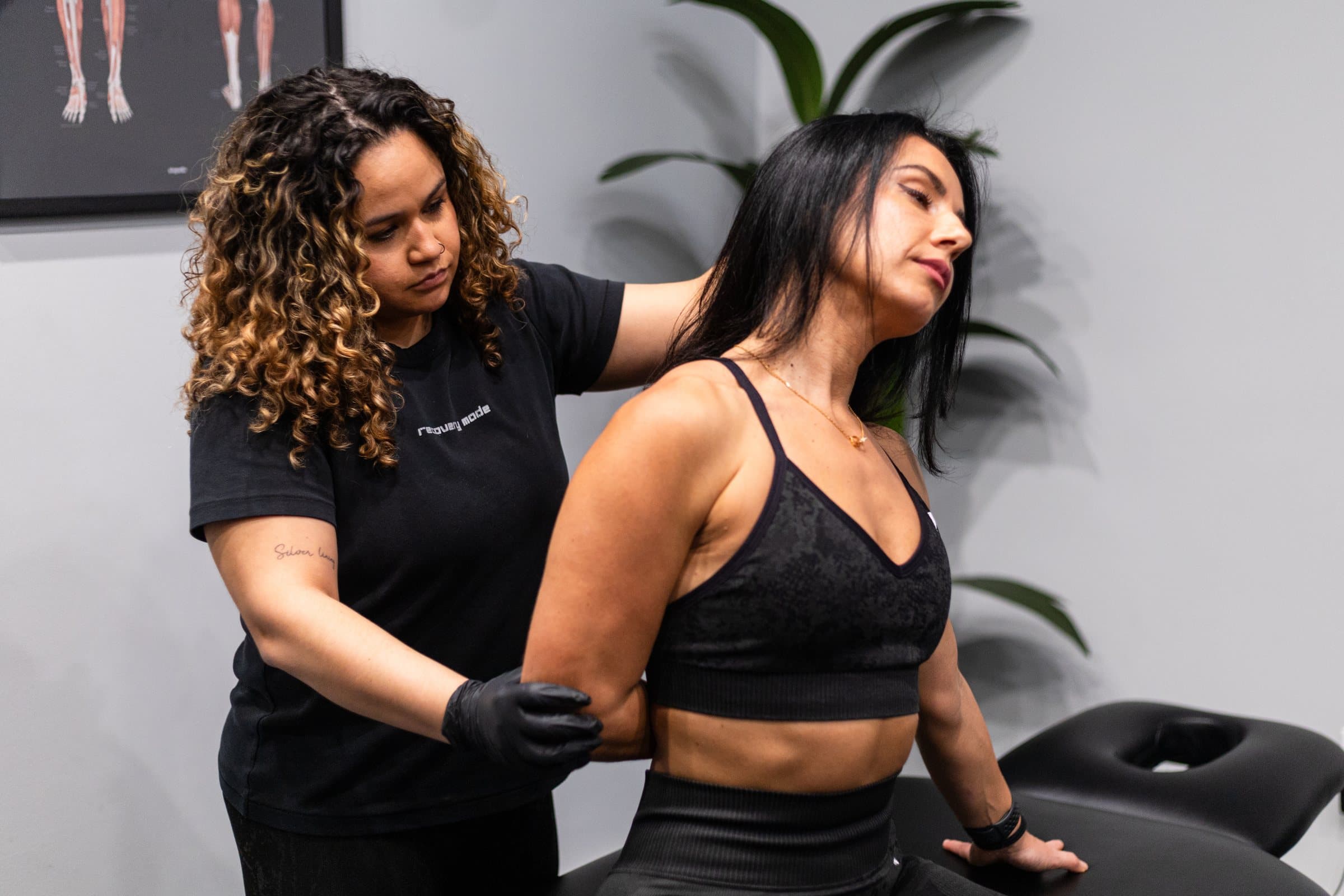
Advanced Sports Therapy
Physical therapist-led manual treatment.
Sessions and prices
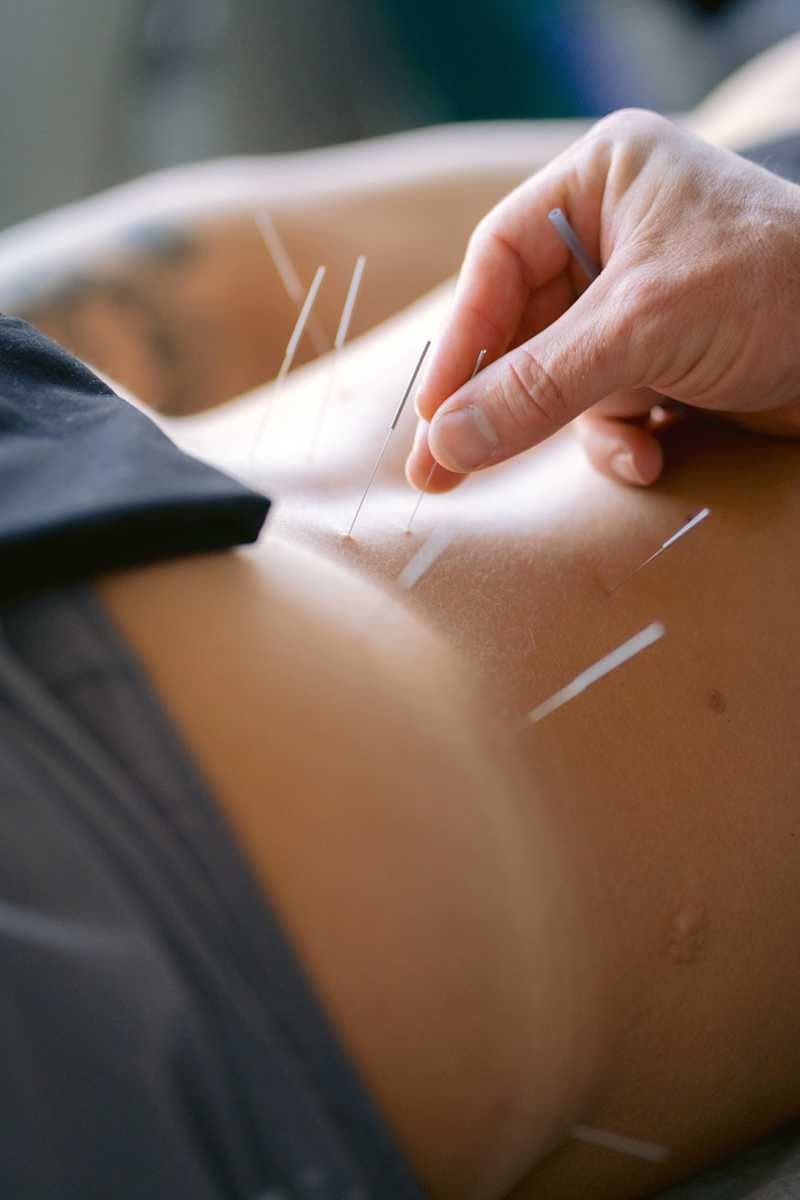
Sports Acupuncture
Acupuncture and complementary hands-on techniques.
Sessions and prices
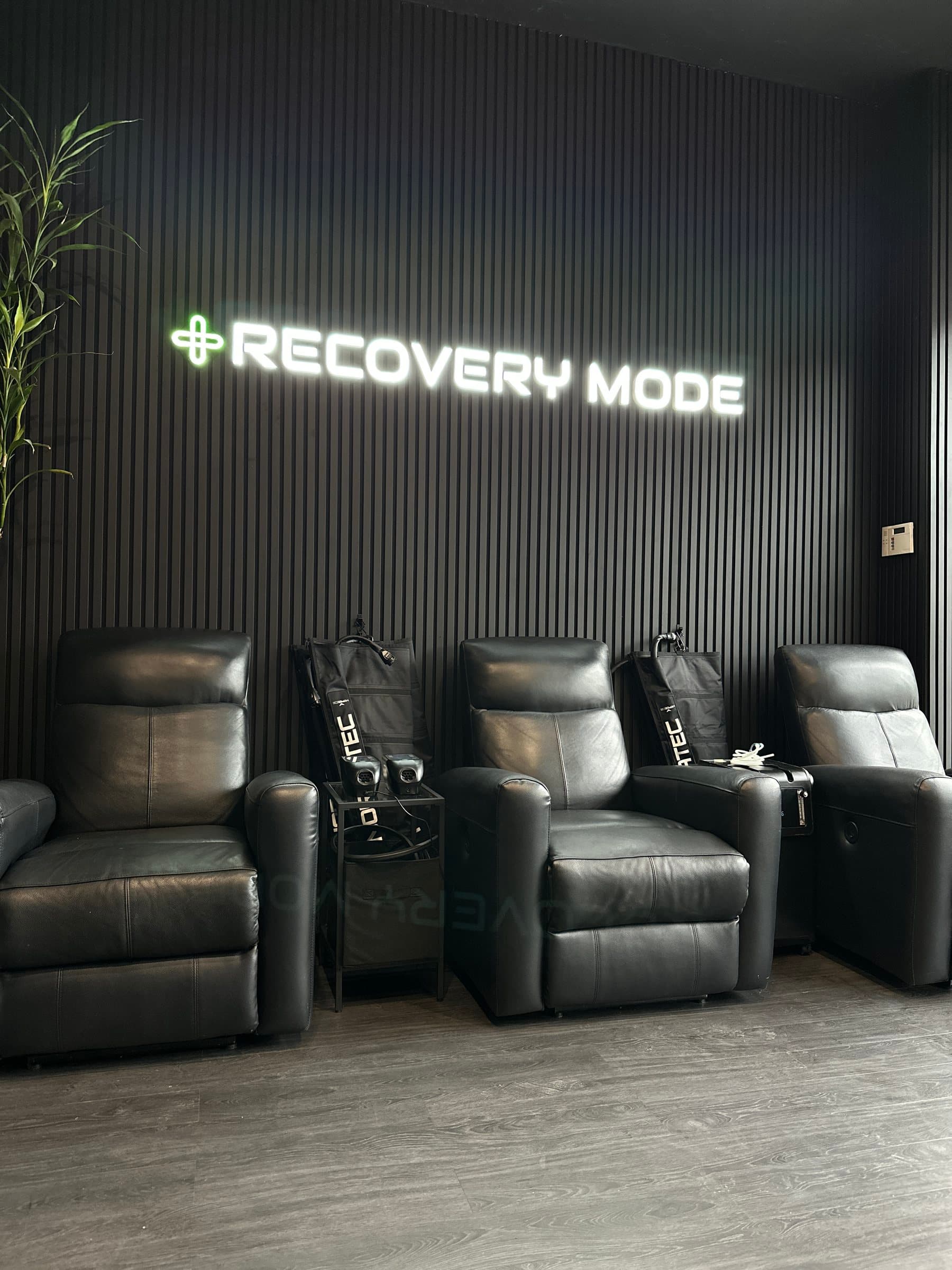
Normatec Compression and Oxygen Boost
Sequential air compression for legs or hips, on its own or with an Oxygen Boost, in the recovery lounge.
Sessions and prices
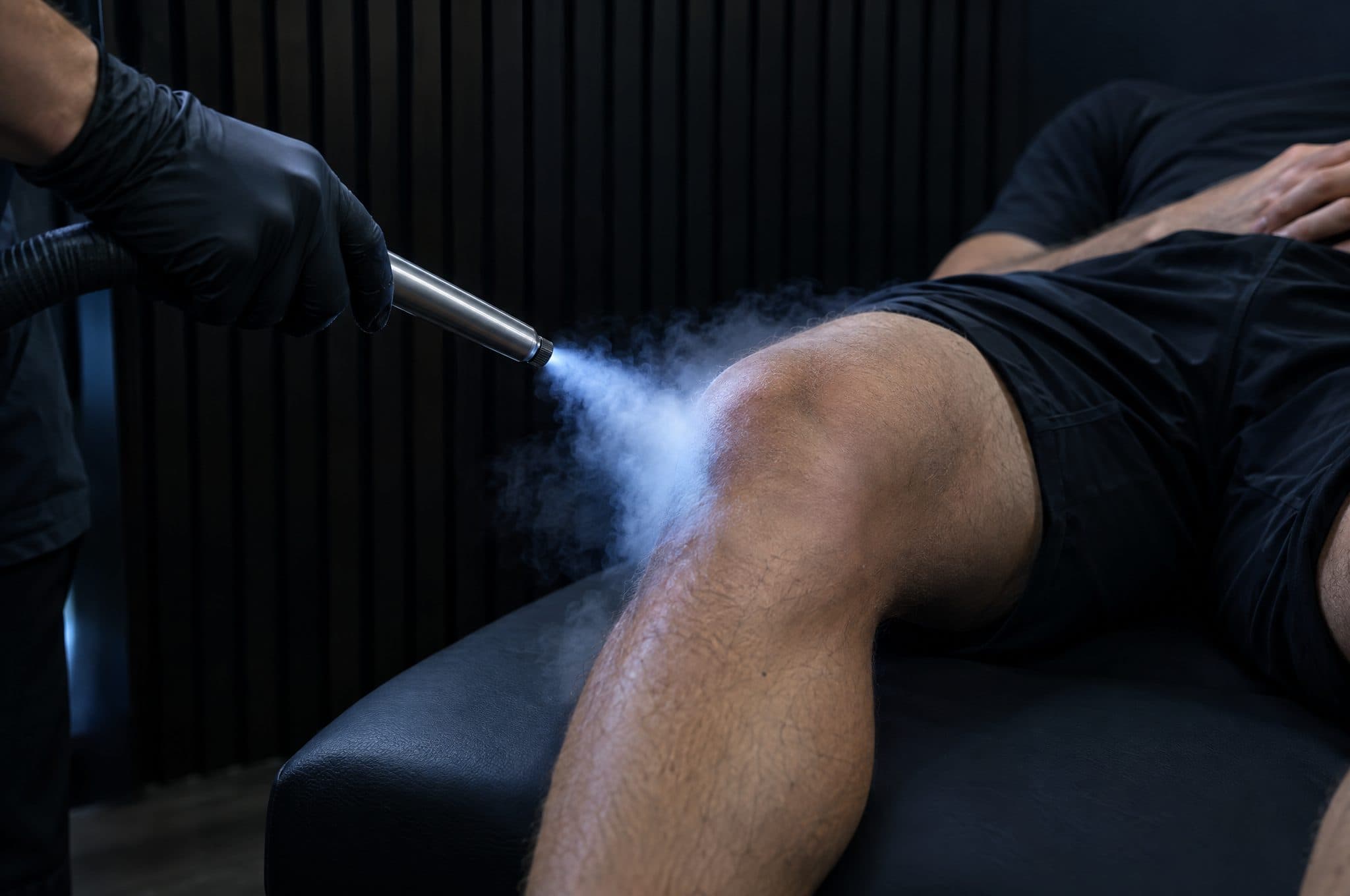
Localized Cryotherapy
Sub-zero air on one joint or muscle. Add it to a massage.
Sessions and prices
Visit the studio
On Steinway Street in Astoria, Queens
30-29 Steinway St, Astoria, NY 11103Questions first? Call (929) 666-1729, or see what to bring and what the first visit looks like on the visit page.
Hours
- Monday to Friday
- 10am to 6pm
- Saturday
- 10am to 3pm
- Sunday
- Closed
Holiday hours can differ. Call if you’re not sure.