
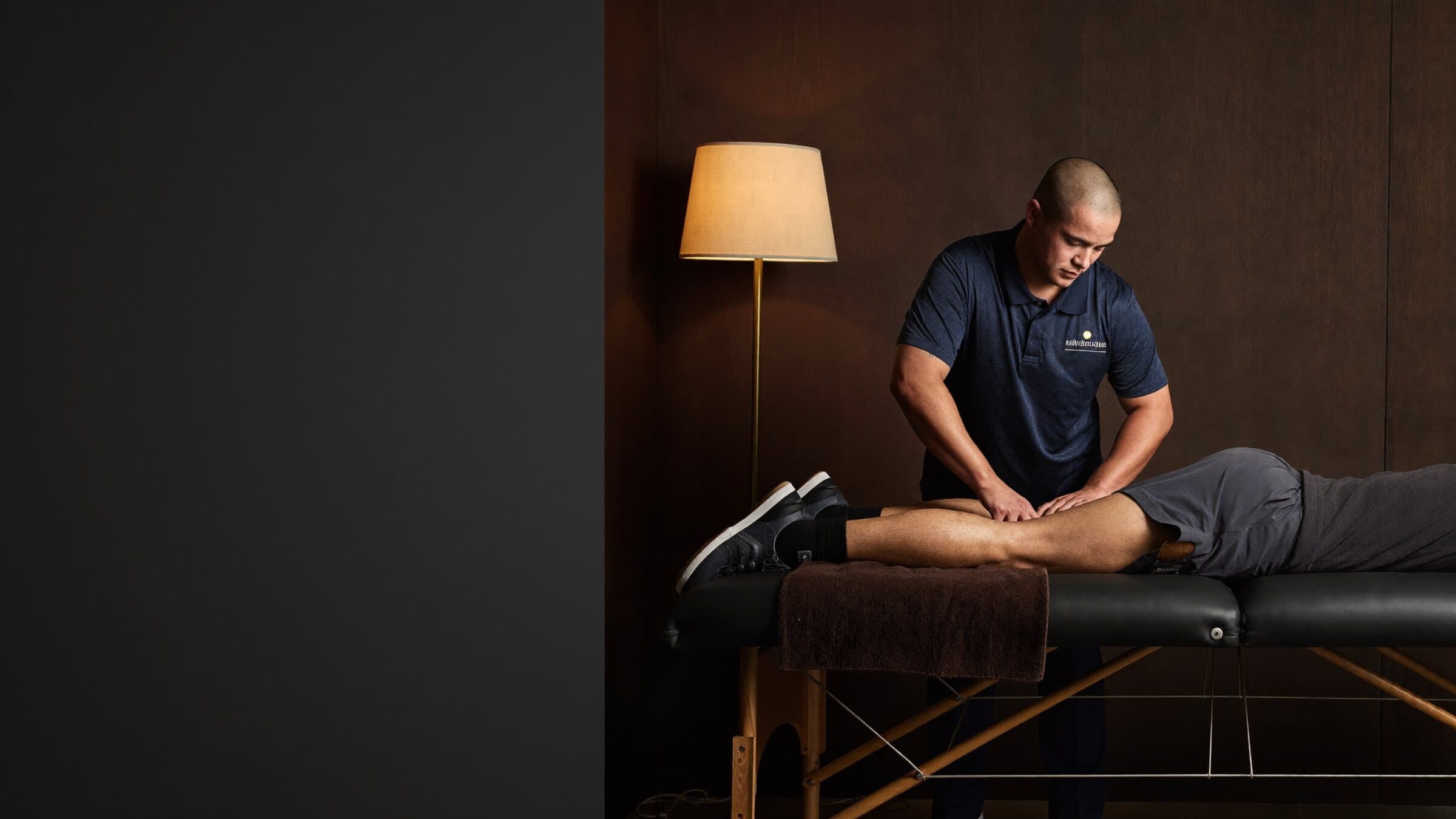
When to Schedule Sports Massage
5 sections7 min read
The short answer
Sports massage timing depends on what came before, what comes next, technique intensity, and your prior response. Lighter familiar work may fit near activity, while unfamiliar or deeper pressure may create temporary tenderness. Avoid a rigid race-week schedule. Share your training calendar, symptoms, preferences, and recent injuries before the session.
Choose the right starting point
The best time for sports massage is not a fixed number of hours before or after exercise. A short, familiar session before easy training is a different choice from deep or focused work near an important competition. After hard effort, tissues may feel sensitive and your priorities may be food, fluid, rest, and injury screening before hands-on pressure. Begin with the calendar: identify the last demanding session, the next one, and the consequence of temporary soreness. Then describe your normal response to massage and anything that feels new or concerning. A licensed massage therapist can adjust the session, but massage cannot diagnose an injury or guarantee better performance.
What this hub helps you explore
Pre-training context
Before training, massage should be considered in relation to the movement and intensity you need to produce. Familiar, comfortable work may feel useful to some people, while strong pressure can leave others tender or less ready. Race day or a key test is a poor time to discover how you respond to a new technique. Preserve enough time and control to reassess before the activity begins.
Post-training context
After a hard session, fatigue, heat, hydration, skin condition, and localized tenderness can change what feels appropriate. Do not assume that stronger pressure will accelerate recovery. Tell the therapist exactly what you trained and whether pain began suddenly or movement changed. New swelling, sharp pain, loss of function, numbness, or another warning sign should be clinically evaluated before routine massage. Your previous response is useful planning context, but it does not guarantee the same response at the next appointment.
Race-week context
Race week rewards predictability. Keep technique, practitioner, and pressure familiar when the outcome matters, and avoid using cupping or aggressive deep work for the first time immediately before competition. The closer the appointment is to the event, the more important it becomes to minimize unexpected tenderness. No timing choice can guarantee a faster time or prevent injury. A hands-on comfort change does not diagnose an injury, prove tissue repair, or medically clear a return to activity.
Intensity and soreness
Temporary soreness or tenderness can occur after massage, especially when pressure is unfamiliar or intense. That possibility should shape both timing and consent. Pressure does not need to be painful to be legitimate, and you can request an adjustment at any moment. Persistent, severe, or worsening symptoms after a session should not be dismissed as proof that the work was effective. A licensed therapist can adapt hands-on work but cannot use the session to diagnose a condition or promise a cure.
Individual schedule
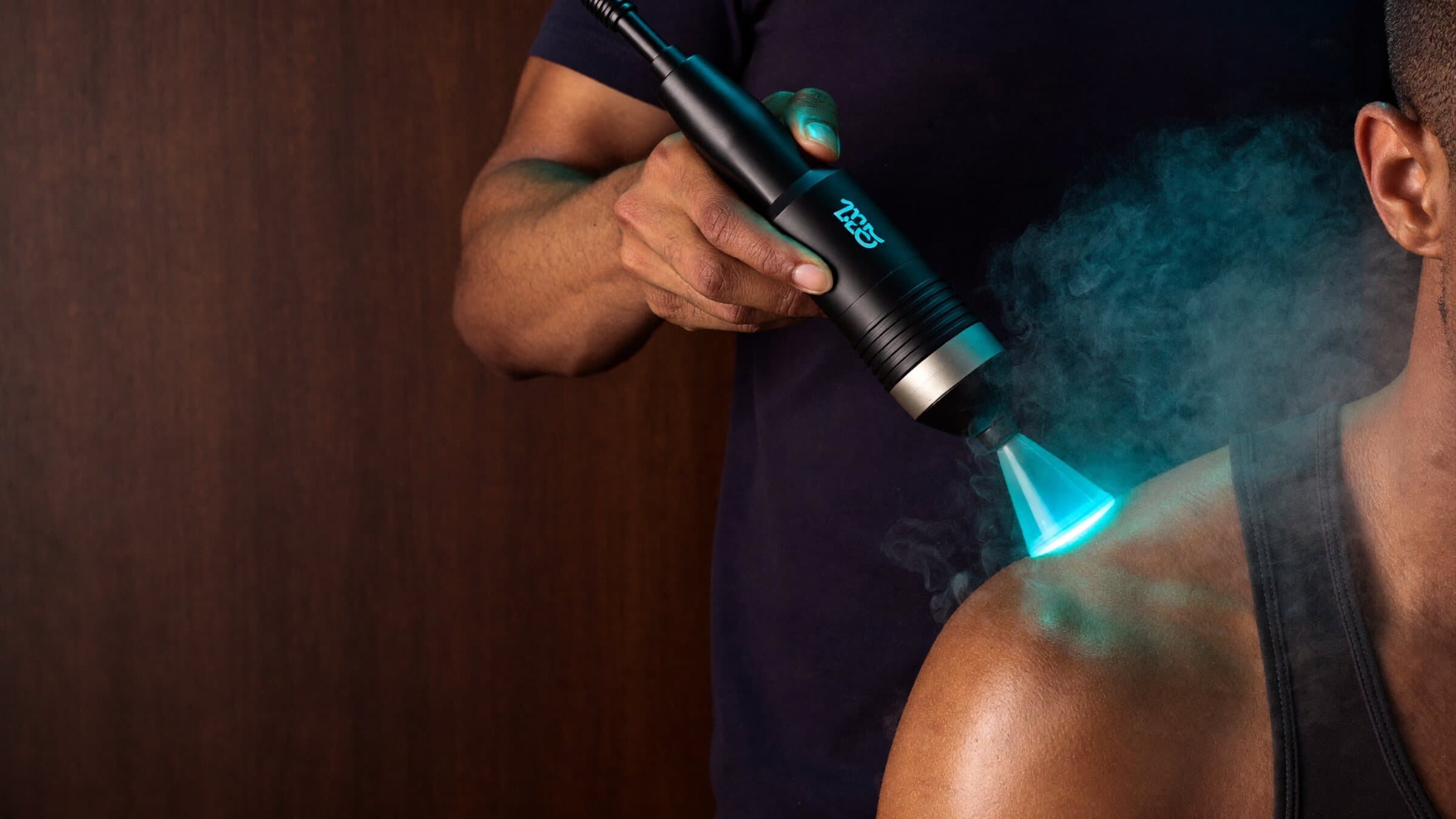
Share the exact training or competition calendar, areas of concern, previous massage response, relevant health history, medications, skin issues, and recent injuries. Explain what you need to do afterward, including travel, lifting, or another event. The therapist can then discuss a reasonable scope. Confirm licensing and current service details rather than relying on a technique name alone. The therapist should explain material risks and alternatives before any add-on that changes sensation or may leave visible marks.

Use the hub without getting lost
- 1
For When to Schedule Sports Massage, start with the plain-language definition and separate the topic from adjacent terms that are often used interchangeably.
- 2
Apply the idea to the activity that came before and the demand that comes next instead of copying a universal protocol.
- 3
Use the evidence section to distinguish supported findings, mixed findings, practical experience, and unanswered questions.
- 4
If a service is relevant, review its preparation, supervision, stop process, and current operating details before booking.
- 5
Use a qualified professional for diagnosis, medical clearance, persistent symptoms, medication questions, or a concern outside a wellness studio's scope.
Keep the choice proportional to the evidence
Massage should not be used to delay medical evaluation. NCCIH advises people to discuss suitability with a health professional when they have relevant health conditions and to ask about the practitioner's training and credentials. A website cannot diagnose a condition, clear someone for a service, or replace emergency or clinical care. New, severe, worsening, or unexplained symptoms, fainting, breathing difficulty, chest symptoms, major swelling, loss of function, or other urgent concerns should be routed to appropriate medical care instead of a recovery booking. For When to Schedule Sports Massage, follow the current service-specific screening and stop guidance rather than relying on general information alone.
Follow the most relevant pathway
Return to The Recovery Library for the complete topic map.
Choose the pathway that matches the decision you are making:
- What to Expect at Your First Sports Massage
- Cupping Marks and Aftercare
- What Is Myofascial Release?
- Deep Tissue Massage Within Sports Massage
- A Guide to Trigger Point Techniques
- Sports Massage Before a Race
- Sports Massage After a Race
Continue with When Recovery Needs Medical Care, Breathwork Basics for Recovery, or Cold Exposure Basics when that decision is closer to your situation.
For the service or selection path, review Sports Massage in Astoria, Queens.
For When to Schedule Sports Massage, the right choice can change with the day. Compare the current experience, level of guidance, time, preparation, and what you intend to do next. Use the live booking or contact source for changing details, and do not treat general information as personal medical clearance.
Frequently asked questions
Yes, but the session should fit the activity, your prior response, and the pressure used. Familiar, comfortable work may be easier to place near training than an intense or unfamiliar technique that could cause tenderness.
After hard training, describe fatigue, heat exposure, hydration, skin condition, and any focal symptoms. Pressure may need to be reduced, postponed, or avoided when new swelling, sharp pain, or function loss suggests evaluation first. Recent trauma, significant swelling, altered sensation, skin injury, or worsening pain changes whether massage is an appropriate next step.
There is no universal cutoff. Deep or unfamiliar work close to competition can create unwanted tenderness, so keep race-week choices predictable and discuss the exact event time, pressure, and your previous response with the therapist.
Yes. Temporary tenderness can occur, particularly after intense or unfamiliar pressure. It should be disclosed before consent. Severe, persistent, worsening, neurologic, or function-limiting symptoms deserve appropriate clinical attention. New loss of function, neurologic symptoms, or major swelling requires a clinical decision before routine hands-on work.
Next step
For When to Schedule Sports Massage, confirm the current service details, responsible provider, screening, and personal-fit questions before reserving. Use Book Your Recovery Session for an operational question, and use an appropriate health professional for medical clearance or symptoms that need evaluation.
Reserve a session
Current durations, prices, providers, and availability live in the booking system, not on this page.
Booking is handled by Acuity Scheduling. Nothing on this page is medical advice or clearance to participate.
Sources and review basis
- Sports Massage(opens in a new tab)
First Party Web. Supports: The official sports massage page describes sports massage as a bookable service and mentions cupping, deep tissue, and myofascial release. Limits: Provider assignment, current price, and licensing require verification.
- Massage Evidence And Safety(opens in a new tab)
Official Health Source. Supports: Massage evidence and safety language should remain qualified and avoid guaranteed outcomes. Limits: Does not substantiate a Recovery Mode outcome claim.
- Health Claims(opens in a new tab)
Official Regulator. Supports: FTC health-marketing guidance requires truthful, non-misleading, adequately substantiated express and implied health claims. Limits: Service-specific evidence and qualified review remain necessary.
- Recovery Mode sports massage page(opens in a new tab)
Recovery Mode. Supports: Sports massage formats, techniques represented, durations, and prices shown on the current page.
- Massage Therapy: What You Need To Know(opens in a new tab)
National Center for Complementary and Integrative Health. Supports: Evidence limits, safety considerations, and questions to ask a massage practitioner.
- New York massage therapy license requirements(opens in a new tab)
New York State Education Department. Supports: Massage therapy is a licensed profession in New York and the published licensure requirements.
- Heat and Cold Therapy for Delayed Onset Muscle Soreness(opens in a new tab)
PubMed. Supports: A review found short-term soreness effects for some heat and cold approaches, with a need for more high-quality comparative evidence.