

Recovery Fundamentals
5 sections6 min read
The short answer
The recovery hierarchy begins with sleep, adequate energy and protein, hydration, and a training load you can absorb. Easy movement may help you transition between hard efforts. Massage, heat, cold, compression, and other services are optional layers. They can support an experience, but they cannot replace missing fundamentals.
Choose the right starting point
A reliable recovery plan is less about collecting tools and more about fixing the largest constraint. If sleep is consistently short, food intake is inadequate, or every training day is hard, another modality cannot erase that load. Begin with the inputs that affect every day, then decide whether a service adds something useful for comfort, routine, or a specific transition. This hierarchy also protects you from more-is-better thinking. You do not need to use every available option, and an intense recovery experience is not automatically a more effective one. Track how you feel and perform across time, make one reasonable change at a time, and escalate concerning symptoms instead of trying to recover through them.
What this hub helps you explore
Sleep foundation
Sleep is a foundation because it supports health and daily functioning across the whole week, not only after one workout. Aim for a routine that gives you a realistic opportunity to sleep and notice whether travel, late training, stress, or irregular timing repeatedly disrupts it. A single imperfect night happens. A persistent pattern of poor sleep or daytime impairment deserves attention beyond a recovery purchase.
Fuel and hydration
Food and fluid replace what training and daily activity consume, but needs are personal. Look at the overall pattern before chasing a narrow post-workout ritual. Regular meals, enough total energy, and access to fluids usually matter more than a branded supplement. Heavy sweating, heat exposure, illness, dietary restrictions, or a medical condition may change the conversation and can justify individualized professional guidance. Your baseline is the most useful comparison, since another person's routine cannot establish what fits your current state.
Training load
Training load includes frequency, intensity, volume, novelty, and the amount of recovery time between efforts. A program can become difficult to absorb even when no single session looks extreme. Sudden increases, repeated hard days, and unfamiliar movements often change soreness and fatigue. Adjusting the work itself may be the most direct recovery decision. A coach or clinician can help when the pattern is persistent or unclear.
Easy movement
Easy movement can function as a bridge between demanding sessions when it feels comfortable. Walking, relaxed cycling, or gentle mobility may help you check in without adding another hard stimulus. Keep the effort genuinely easy and stop if symptoms worsen. Active recovery is not a test of toughness, and it should not be used to prove that pain is harmless or that an injury has resolved.
Optional modalities
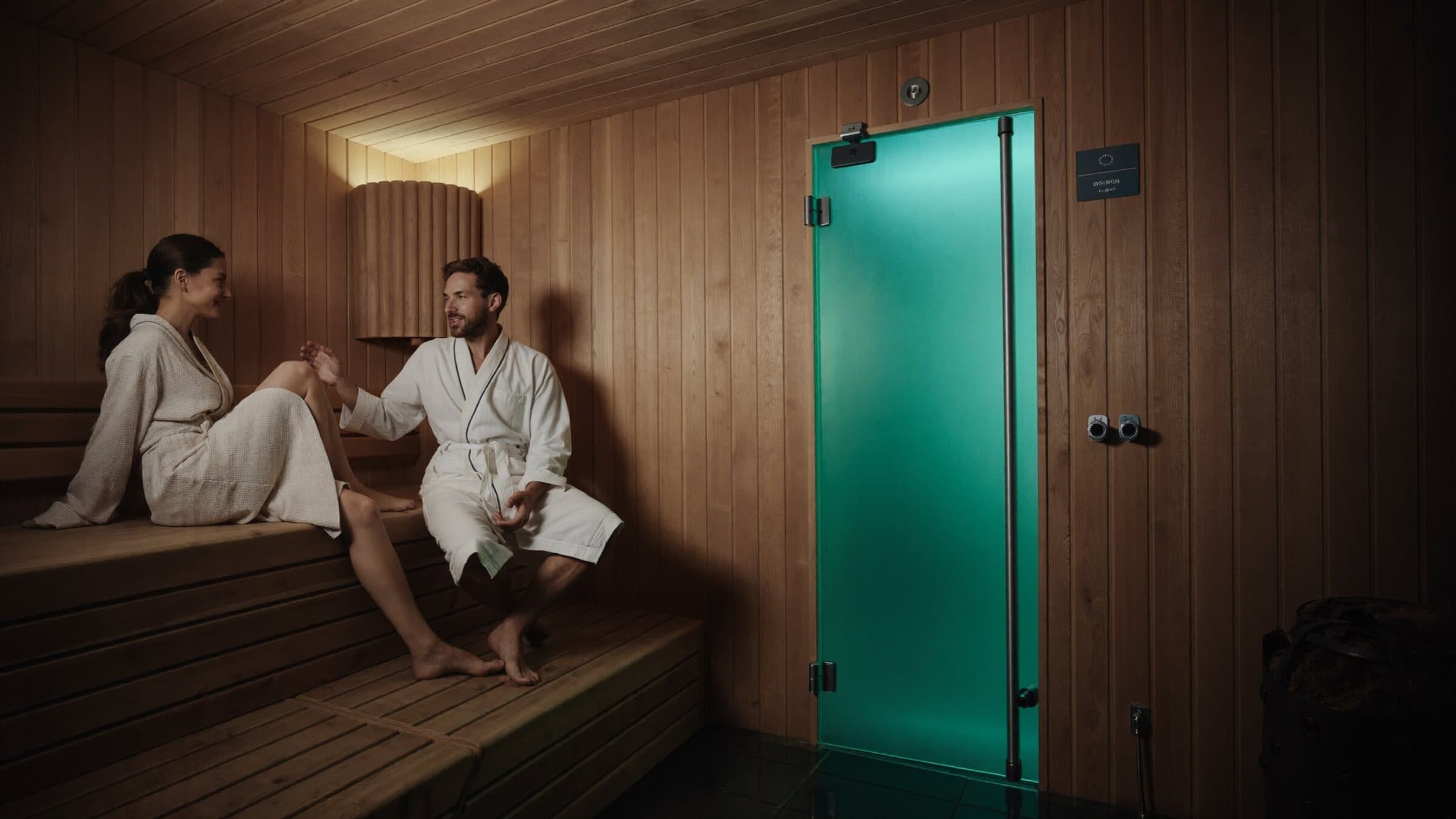
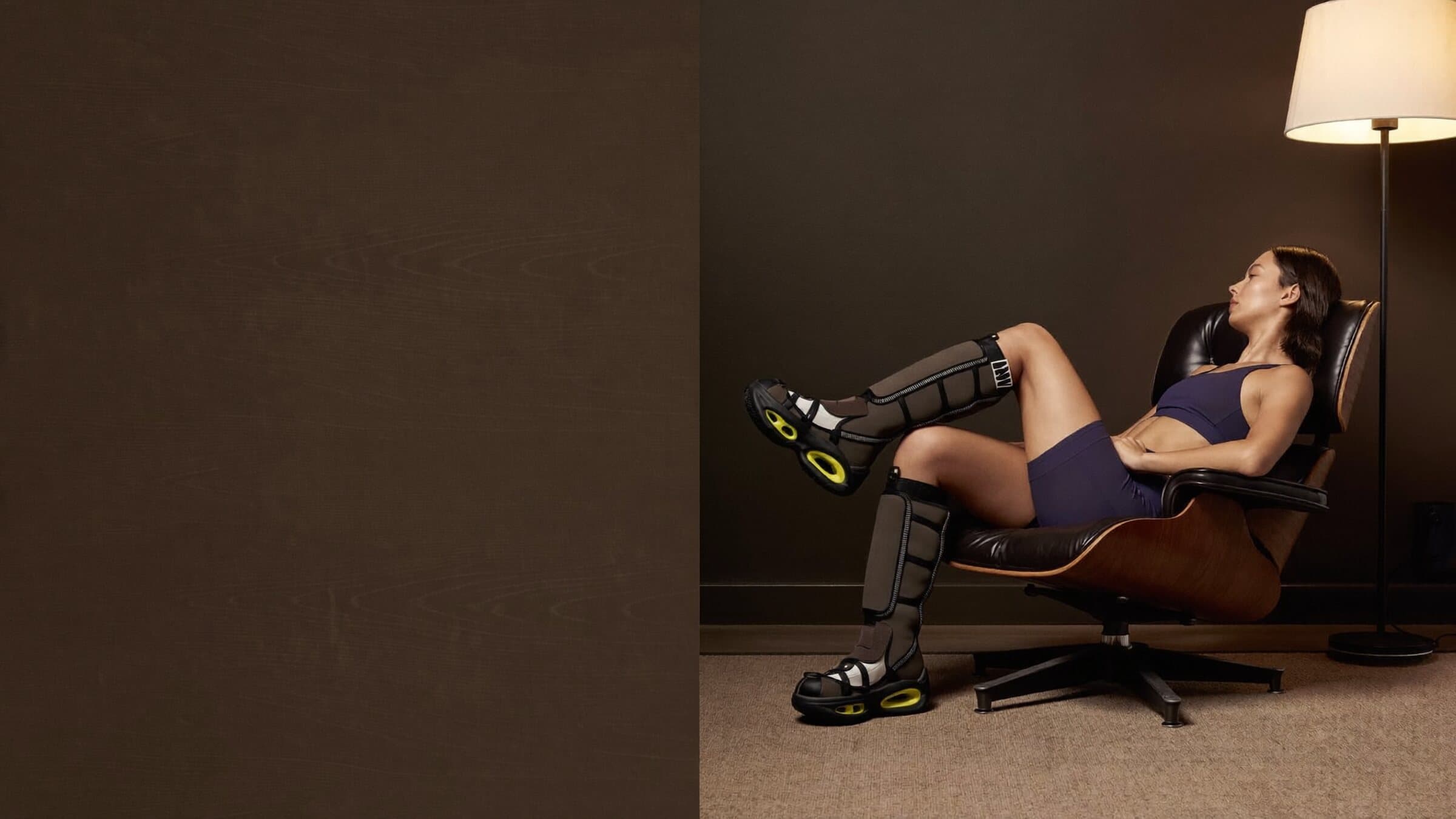
Optional modalities are best viewed as targeted additions. Massage may offer adjustable hands-on work, sauna adds heat exposure, cold immersion adds acute cold stress, and compression applies external pressure. Pick one because the experience and timing fit, not because a stack sounds advanced. Confirm screening and stop rules, especially for temperature, device-led, or medically regulated services. Keep sleep, food, fluids, and training load visible before attributing the entire response to one optional modality.

Use the hub without getting lost
- 1
For Recovery Fundamentals, start with the plain-language definition and separate the topic from adjacent terms that are often used interchangeably.
- 2
Apply the idea to the activity that came before and the demand that comes next instead of copying a universal protocol.
- 3
Use the evidence section to distinguish supported findings, mixed findings, practical experience, and unanswered questions.
- 4
If a service is relevant, review its preparation, supervision, stop process, and current operating details before booking.
- 5
Use a qualified professional for diagnosis, medical clearance, persistent symptoms, medication questions, or a concern outside a wellness studio's scope.
Keep the choice proportional to the evidence
A recovery studio is not emergency or diagnostic care. New, severe, worsening, or unexplained symptoms should be assessed by an appropriate health professional before a wellness booking. A website cannot diagnose a condition, clear someone for a service, or replace emergency or clinical care. New, severe, worsening, or unexplained symptoms, fainting, breathing difficulty, chest symptoms, major swelling, loss of function, or other urgent concerns should be routed to appropriate medical care instead of a recovery booking. For Recovery Fundamentals, follow the current service-specific screening and stop guidance rather than relying on general information alone.
Follow the most relevant pathway
Return to The Recovery Library for the complete topic map.
Choose the pathway that matches the decision you are making:
- Sleep and Workout Recovery
- Hydration and Workout Recovery
- Nutrition Basics for Recovery
- Muscle Soreness Versus Pain
- Warm-Up and Cooldown Basics
- A Practical Foam Rolling Guide
- Stretching Versus Mobility
- Delayed Onset Muscle Soreness Guide
- Training Load and Recovery
- Signs You May Need More Recovery
- Recovery Metrics Without the Hype
- Recovery After Travel
- A Recovery Guide for Desk Tension
- Recovery Terms in Plain Language
- Common Recovery Misconceptions
Continue with Cold Exposure Basics, When to Schedule Sports Massage, or Evidence and Editorial Standards when that decision is closer to your situation.
For the service or selection path, review Choose Your Recovery.
For Recovery Fundamentals, the right choice can change with the day. Compare the current experience, level of guidance, time, preparation, and what you intend to do next. Use the live booking or contact source for changing details, and do not treat general information as personal medical clearance.
Frequently asked questions
The foundations are sleep, sufficient food, suitable fluid intake, and a training load that includes time to adapt. Stress management and easy movement can also matter. Paid services sit above, not below, these basics. A comfort change can inform preference without identifying the cause, proving healing, or clearing the next session.
Improve the clearest recurring gap first. If you regularly sleep too little, skip meals, underdrink during heavy sweating, or schedule consecutive hard days, that issue gives you a more useful starting point than adding several tools.
No. A service may support comfort, relaxation, or a planned transition, but it cannot make up for chronic sleep loss, inadequate nutrition, dehydration, or a training schedule that repeatedly exceeds your capacity. Use that cue with the week's training, sleep, nutrition, and life stress rather than interpreting it alone.
More frequent, longer, harder, or unfamiliar work usually requires more recovery capacity. The useful question is whether your recent load and current readiness still match the next planned session, not whether you feel perfectly fresh.
A service can be useful when its experience matches a clear preference or near-term need and you pass its safety screening. It remains optional, and its effect should be assessed without assuming a guaranteed outcome.
Next step
For Recovery Fundamentals, confirm the current service details, responsible provider, screening, and personal-fit questions before reserving. Use Book Your Recovery Session for an operational question, and use an appropriate health professional for medical clearance or symptoms that need evaluation.
Reserve a session
Current durations, prices, providers, and availability live in the booking system, not on this page.
Booking is handled by Acuity Scheduling. Nothing on this page is medical advice or clearance to participate.
Sources and review basis
- Health Claims(opens in a new tab)
Official Regulator. Supports: FTC health-marketing guidance requires truthful, non-misleading, adequately substantiated express and implied health claims. Limits: Service-specific evidence and qualified review remain necessary.
- About sleep(opens in a new tab)
Centers for Disease Control and Prevention. Supports: Sleep is important for health and well-being, with needs varying by age and person.
- Dehydration: symptoms and causes(opens in a new tab)
Mayo Clinic. Supports: Sweating, exercise, heat exposure, and dehydration risk.
- Exercise and Fluid Replacement Position Stand(opens in a new tab)
PubMed. Supports: Exercise hydration should account for fluid loss, environment, tolerance, and the activity context.
- Sports Nutrition Guide(opens in a new tab)
U.S. Anti-Doping Agency. Supports: Sports nutrition needs vary with energy expenditure, health, sport, and individual context.
- Nutrition and Athletic Performance Position Stand(opens in a new tab)
PubMed. Supports: Energy, carbohydrate, protein, food, and fluid needs are foundational considerations for training and recovery.
- Physical Activity Guidelines for Americans(opens in a new tab)
U.S. Department of Health and Human Services. Supports: Evidence-based physical activity guidance and the role of gradual, appropriate activity.