
What to Expect at Your First Sports Massage
5 sections7 min read
The short answer
A first sports massage should begin with intake, goals, relevant health history, current symptoms, and informed choices about areas, positioning, clothing, and pressure. You can change or stop the session at any time. Cupping, deep tissue, or myofascial techniques are not automatic. Temporary tenderness is possible, while severe reactions need attention.
The decision this page helps you make
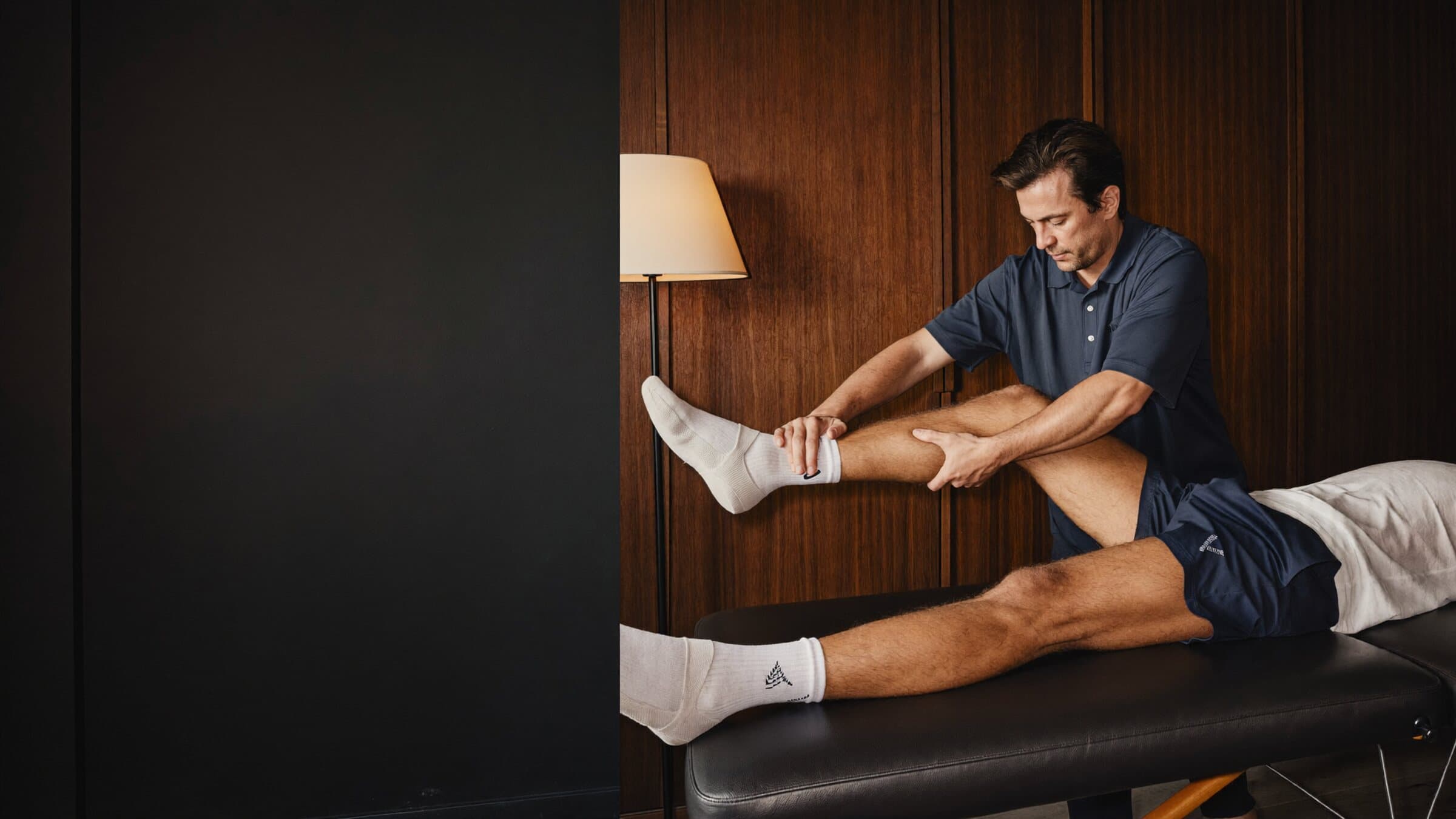
Your first appointment is a conversation before it is a technique. Expect questions about recent activity, what you want from the visit, areas you do or do not want addressed, injuries, health conditions, medications, skin issues, and prior reactions to hands-on work. The therapist should explain draping, positioning, clothing options, consent, and how to request a change. You do not need to tolerate pain to receive a legitimate session. Recovery Mode currently lists sports massage and mentions cupping, deep tissue, and myofascial release, but those methods should only appear when appropriate and agreed upon. Confirm the responsible licensed therapist, current service details, and any preparation requirements before arriving.
What matters before you choose
Intake and goals
Intake connects your goal with safety and scope. Describe the activity that led you to book, what feels different, whether symptoms started suddenly, and what you need to do next. Share relevant diagnoses, medications, pregnancy, recent procedures, allergies, and skin conditions. A massage therapist can plan hands-on work within scope, but cannot use the intake to diagnose an injury or replace medical evaluation. Skin, medication, circulation, pregnancy, surgery, and injury context can all change how hands-on pressure should be approached.
Clothing and positioning questions
Ask what clothing is appropriate, what areas will remain covered, and how positioning can be modified for comfort. Professional draping and consent apply throughout the appointment. You can decline work on any area without explanation and request a different position, more support, or an end to the session. Operational details should come from the live booking details because room setup and policies can change. Your comfort governs each choice.
Pressure communication
Pressure should be collaborative. Words such as light, moderate, or deep can mean different things to different people, so describe the sensation and effect you want. Speak up for sharp, burning, electric, numb, or intolerable pressure. The therapist should adjust without treating pain tolerance as a goal. Silence is not permanent consent, and you may change your mind at any time. Do not use pain tolerance, bruising, or visible marks as a measure of how effective the work was.
Possible techniques
Sports massage can include varied hands-on approaches, and Recovery Mode currently represents cupping, deep tissue, and myofascial release in its service context. That does not mean every appointment uses every method. Each technique should be explained, connected to the agreed goal, and separately consented when it changes the experience or may leave visible marks. Ask before assuming an add-on is included. Persistent or escalating symptoms after a session deserve appropriate evaluation rather than being dismissed as necessary soreness.
Post-session expectations
Afterward, you may feel relaxed, unchanged, or temporarily tender. Notice how you respond before scheduling intense activity based on someone else's experience. Seek help for severe, worsening, or unexpected symptoms, significant swelling, neurologic changes, skin injury, breathing difficulty, or another concerning reaction. A pleasant response is personal feedback, not proof of injury treatment or a guaranteed future result. Confirm that the responsible therapist holds the required New York license and that the technique fits the agreed scope.
A practical way to use this information
- 1
For What to Expect at Your First Sports Massage, start with the plain-language definition and separate the topic from adjacent terms that are often used interchangeably.
- 2
Apply the idea to the activity that came before and the demand that comes next instead of copying a universal protocol.
- 3
Use the evidence section to distinguish supported findings, mixed findings, practical experience, and unanswered questions.
- 4
If a service is relevant, review its preparation, supervision, stop process, and current operating details before booking.
- 5
Use a qualified professional for diagnosis, medical clearance, persistent symptoms, medication questions, or a concern outside a wellness studio's scope.
Fit, limits, and when to choose another path
Massage should not be used to delay medical evaluation. NCCIH advises people to discuss suitability with a health professional when they have relevant health conditions and to ask about the practitioner's training and credentials. A website cannot diagnose a condition, clear someone for a service, or replace emergency or clinical care. New, severe, worsening, or unexplained symptoms, fainting, breathing difficulty, chest symptoms, major swelling, loss of function, or other urgent concerns should be routed to appropriate medical care instead of a recovery booking. For What to Expect at Your First Sports Massage, follow the current service-specific screening and stop guidance rather than relying on general information alone.
Where this fits in the Recovery Mode system
Return to When to Schedule Sports Massage for the complete topic map.
Continue with Sports Massage Before a Race, Sports Massage After a Race, or Cupping Marks and Aftercare when that decision is closer to your situation.
For the service or selection path, review Sports Massage in Astoria, Queens.
For What to Expect at Your First Sports Massage, the right choice can change with the day. Compare the current experience, level of guidance, time, preparation, and what you intend to do next. Use the live booking or contact source for changing details, and do not treat general information as personal medical clearance.
Frequently asked questions
The appointment should start with goals, recent activity, symptoms, relevant health history, medications, skin concerns, and consent. You can also discuss areas to avoid, positioning, pressure, and what you need to do after the session.
Ask the studio for current clothing guidance. You should receive clear options, professional draping, and control over which areas are addressed. You may keep on more clothing or decline any area based on your comfort.
Describe what you feel instead of relying only on labels. Ask for less or more pressure, a slower pace, a different position, or a stop. Sharp, burning, electric, numb, or intolerable sensations require adjustment. Your previous response is useful planning context, but it does not guarantee the same response at the next appointment.
No. Cupping or another named technique should be used only when it fits the agreed plan, is within the provider's scope, and you consent after understanding the experience and possible marks or tenderness. A hands-on comfort change does not diagnose an injury, prove tissue repair, or medically clear a return to activity.
Responses vary. Relaxation, no major change, or temporary tenderness may occur. Severe, persistent, worsening, neurologic, skin, breathing, or swelling symptoms are not a normal outcome to simply push through. A licensed therapist can adapt hands-on work but cannot use the session to diagnose a condition or promise a cure.
Next step
For What to Expect at Your First Sports Massage, confirm the current service details, responsible provider, screening, and personal-fit questions before reserving. Use Book Your Recovery Session for an operational question, and use an appropriate health professional for medical clearance or symptoms that need evaluation.
Reserve a session
Current durations, prices, providers, and availability live in the booking system, not on this page.
Booking is handled by Acuity Scheduling. Nothing on this page is medical advice or clearance to participate.
Sources and review basis
- Sports Massage(opens in a new tab)
First Party Web. Supports: The official sports massage page describes sports massage as a bookable service and mentions cupping, deep tissue, and myofascial release. Limits: Provider assignment, current price, and licensing require verification.
- Massage Evidence And Safety(opens in a new tab)
Official Health Source. Supports: Massage evidence and safety language should remain qualified and avoid guaranteed outcomes. Limits: Does not substantiate a Recovery Mode outcome claim.
- Customer Language And Trust(opens in a new tab)
Third Party Reviews. Supports: Verified-patient reviews describe listening, runner context, individualized attention, and feeling rejuvenated. Limits: Republishing a review requires permission and compliant attribution.
- Recovery Mode sports massage page(opens in a new tab)
Recovery Mode. Supports: Sports massage formats, techniques represented, durations, and prices shown on the current page.
- Massage Therapy: What You Need To Know(opens in a new tab)
National Center for Complementary and Integrative Health. Supports: Evidence limits, safety considerations, and questions to ask a massage practitioner.
- New York massage therapy license requirements(opens in a new tab)
New York State Education Department. Supports: Massage therapy is a licensed profession in New York and the published licensure requirements.