
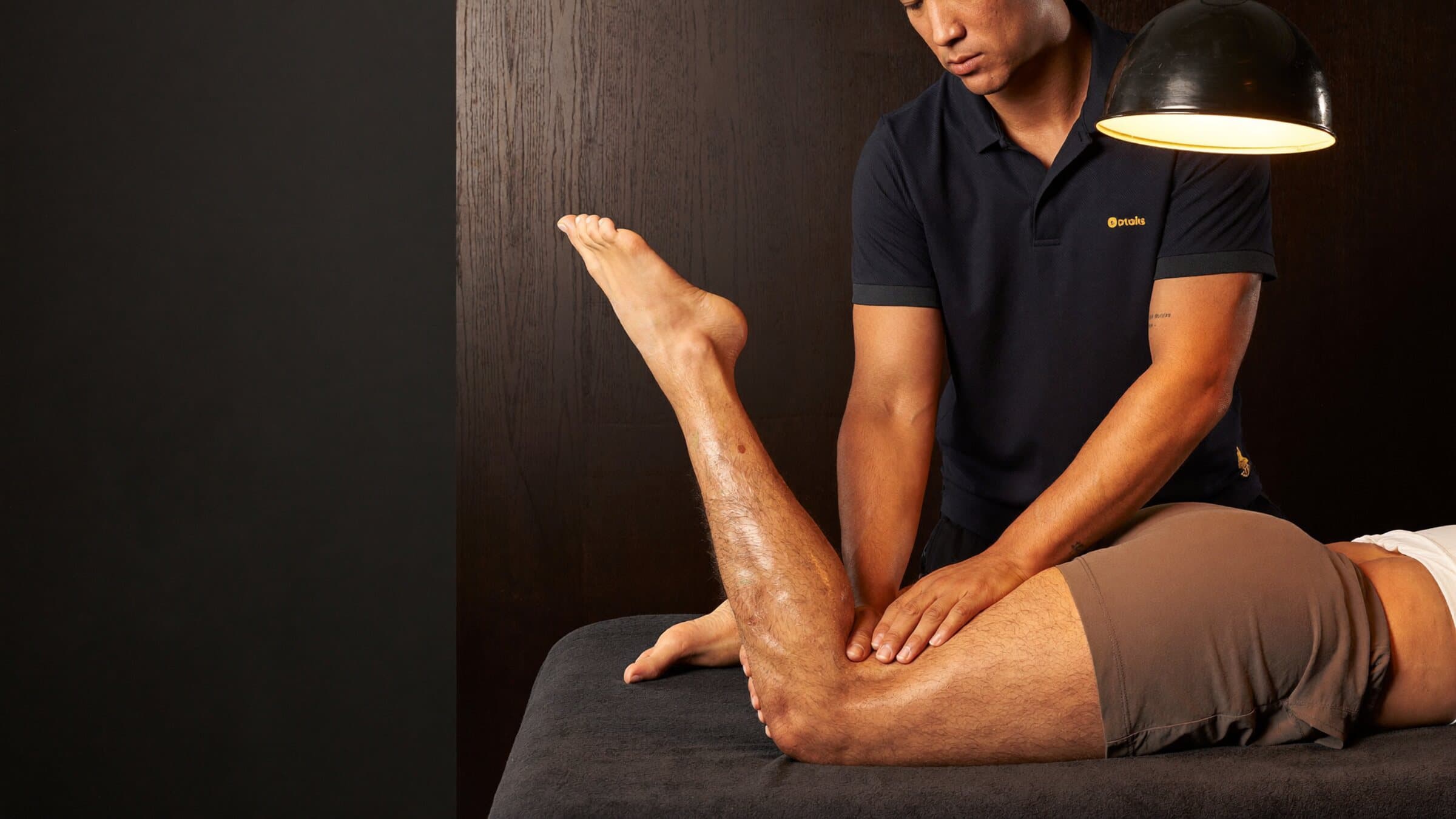
Sports Massage After a Race
5 sections7 min read
The short answer
After a race, first address immediate safety, cooling, food, fluid, and any injury signs. Massage timing and pressure depend on event stress, tenderness, skin condition, travel, and your next training date. Immediate strong work is not automatically better. New swelling, severe pain, weakness, numbness, or function loss needs evaluation first.
The decision this page helps you make
A finish line creates emotion and fatigue, both of which can make it harder to judge what your body needs. Before massage, move to a safe environment, cool according to conditions, drink and eat as appropriate, and assess whether any symptom began suddenly or limits normal function. An immediate post-event session may need to be short and gentle, while some athletes prefer waiting until sensitivity settles. The correct choice is personal and cannot be reduced to a universal number of hours. Pressure should remain adjustable, especially after long or unfamiliar effort. Massage may influence comfort but cannot diagnose injury, repair tissue on command, or replace medical evaluation for concerning signs.
What matters before you choose
Immediate post-race sensitivity
Immediately after a race, heart rate, body temperature, hydration, energy, skin, and emotions may all be different from baseline. Give yourself enough time to communicate clearly and walk safely before choosing hands-on work. Medical-tent guidance takes priority over a recovery booking. A session should not begin when you are confused, faint, severely chilled or overheated, unable to keep fluids down, or otherwise medically unstable. Do not use pain tolerance, bruising, or visible marks as a measure of how effective the work was.
Delayed session option
Waiting can be reasonable when legs are highly sensitive, the event caused skin irritation, you need food and fluid first, or you are unsure whether a focal symptom is an injury. Delaying does not mean you missed a recovery window. Use the interval to observe whether pain, swelling, strength, sensation, and function improve or worsen. The trend can change whether massage remains appropriate. Persistent or escalating symptoms after a session deserve appropriate evaluation rather than being dismissed as necessary soreness.
Pressure modification
Post-race pressure may need to be lighter, broader, or shorter than your usual session. Deep work is not required to address a feeling of heaviness or stiffness. Describe the event, surfaces, pace, cramping, falls, and focal symptoms. Request immediate adjustment for sharp, burning, electric, numb, or intolerable sensations. Stronger pressure does not prove faster recovery or better tissue repair. Confirm that the responsible therapist holds the required New York license and that the technique fits the agreed scope.
Injury red flags
Seek medical evaluation before massage for severe or worsening pain, major swelling, suspected fracture or dislocation, inability to bear weight, new weakness or numbness, significant skin injury, fever, dark urine with severe muscle symptoms, or another concerning change. Chest symptoms, severe breathing difficulty, fainting, stroke signs, or a medical emergency requires 911 rather than post-race bodywork. Share the exact activity calendar so the therapist understands whether temporary soreness would disrupt what comes next.
Training calendar follow-up
Share your next training date, travel plan, work demands, and another upcoming event so the therapist understands the consequence of tenderness. A quick return to training does not justify aggressive work. Track your response after the appointment and adjust later sessions accordingly. The calendar supports communication, but it does not allow massage to clear you for activity or guarantee readiness. Keep subjective comfort separate from objective claims about strength, speed, injury risk, healing, or long-term tissue change.

A practical way to use this information
- 1
For Sports Massage After a Race, start with the plain-language definition and separate the topic from adjacent terms that are often used interchangeably.
- 2
Apply the idea to the activity that came before and the demand that comes next instead of copying a universal protocol.
- 3
Use the evidence section to distinguish supported findings, mixed findings, practical experience, and unanswered questions.
- 4
If a service is relevant, review its preparation, supervision, stop process, and current operating details before booking.
- 5
Use a qualified professional for diagnosis, medical clearance, persistent symptoms, medication questions, or a concern outside a wellness studio's scope.
Fit, limits, and when to choose another path
Massage should not be used to delay medical evaluation. NCCIH advises people to discuss suitability with a health professional when they have relevant health conditions and to ask about the practitioner's training and credentials. A website cannot diagnose a condition, clear someone for a service, or replace emergency or clinical care. New, severe, worsening, or unexplained symptoms, fainting, breathing difficulty, chest symptoms, major swelling, loss of function, or other urgent concerns should be routed to appropriate medical care instead of a recovery booking. For Sports Massage After a Race, follow the current service-specific screening and stop guidance rather than relying on general information alone.
Where this fits in the Recovery Mode system
Return to When to Schedule Sports Massage for the complete topic map.
Continue with What to Expect at Your First Sports Massage, Cupping Marks and Aftercare, or What Is Myofascial Release? when that decision is closer to your situation.
For the service or selection path, review Sports Massage in Astoria, Queens.
For Sports Massage After a Race, the right choice can change with the day. Compare the current experience, level of guidance, time, preparation, and what you intend to do next. Use the live booking or contact source for changing details, and do not treat general information as personal medical clearance.
Frequently asked questions
Not necessarily. First address safety, cooling, food, fluid, and injury signs. Immediate work may need to be gentle, and waiting can be reasonable when you are highly sensitive, unstable, or unsure about a focal symptom.
Very tender legs justify a conservative decision. Rest, address basic needs, and observe the pattern. If tenderness is severe, focal, worsening, swollen, weak, numb, or function-limiting, seek evaluation before hands-on pressure. A hands-on comfort change does not diagnose an injury, prove tissue repair, or medically clear a return to activity.
Pressure often needs to be lower and more adjustable after competition. Describe the event and your symptoms, and avoid treating pain as the goal. Deep work is not automatically more effective after a demanding race.
Severe or worsening pain, major swelling, inability to bear weight, new weakness or numbness, significant trauma, fever, dark urine with severe muscle symptoms, or systemic warning signs need medical evaluation first. The therapist should explain material risks and alternatives before any add-on that changes sensation or may leave visible marks.
Next step
For Sports Massage After a Race, confirm the current service details, responsible provider, screening, and personal-fit questions before reserving. Use Book Your Recovery Session for an operational question, and use an appropriate health professional for medical clearance or symptoms that need evaluation.
Reserve a session
Current durations, prices, providers, and availability live in the booking system, not on this page.
Booking is handled by Acuity Scheduling. Nothing on this page is medical advice or clearance to participate.
Sources and review basis
- Sports Massage(opens in a new tab)
First Party Web. Supports: The official sports massage page describes sports massage as a bookable service and mentions cupping, deep tissue, and myofascial release. Limits: Provider assignment, current price, and licensing require verification.
- Massage Evidence And Safety(opens in a new tab)
Official Health Source. Supports: Massage evidence and safety language should remain qualified and avoid guaranteed outcomes. Limits: Does not substantiate a Recovery Mode outcome claim.
- Medical Emergency Action(opens in a new tab)
Official Government Guidance. Supports: NYC311 directs people to call 911 for a medical or health-related emergency. Limits: Qualified review still owns the exact sitewide wording and placement.
- Recovery Mode sports massage page(opens in a new tab)
Recovery Mode. Supports: Sports massage formats, techniques represented, durations, and prices shown on the current page.
- Massage Therapy: What You Need To Know(opens in a new tab)
National Center for Complementary and Integrative Health. Supports: Evidence limits, safety considerations, and questions to ask a massage practitioner.
- New York massage therapy license requirements(opens in a new tab)
New York State Education Department. Supports: Massage therapy is a licensed profession in New York and the published licensure requirements.
- Massage and Delayed Onset Muscle Soreness(opens in a new tab)
PubMed. Supports: A systematic review reported lower post-exercise soreness ratings in massage groups while not establishing a universal individual outcome.