

Recovery Terms in Plain Language
5 sections7 min read
The short answer
Recovery terms are most useful when they describe an observable experience without implying a diagnosis or guaranteed result. Myofascial release is slow pressure, contrast alternates heat and cold, dynamic compression uses cycling air chambers, and DOMS is delayed muscle soreness. A clinical hold means key safety or operating facts are still unresolved and online booking is unavailable.
The decision this page helps you make
Recovery language can blur technique, device mechanism, personal feeling, and medical claim. This glossary keeps those categories separate so you can compare services without decoding hype. A term such as deep tissue describes a style of hands-on work, not a required pain level. Infrared identifies a heat-delivery method, not proof of detoxification. Compression describes external pressure, not guaranteed improved circulation for everyone. DOMS describes a common delayed soreness pattern, not every pain after exercise. Evidence labels explain how directly a source supports a claim, while a booking hold protects you when provider, device, protocol, or legal facts are missing. Follow the linked topic page for safety and context before making a decision.
What matters before you choose
Massage terms
Massage terms include sports massage, deep tissue, myofascial release, cupping, and trigger point. Sports massage connects hands-on work to activity context. Deep tissue often means slower focused pressure. Myofascial release is a broad label for sustained or slow pressure. Cupping uses suction and may leave marks. Trigger point describes a tender spot, not a proven toxin pocket or permanent knot. A service can remain optional even when it is available, familiar, or popular among people with similar goals.
Heat and cold terms
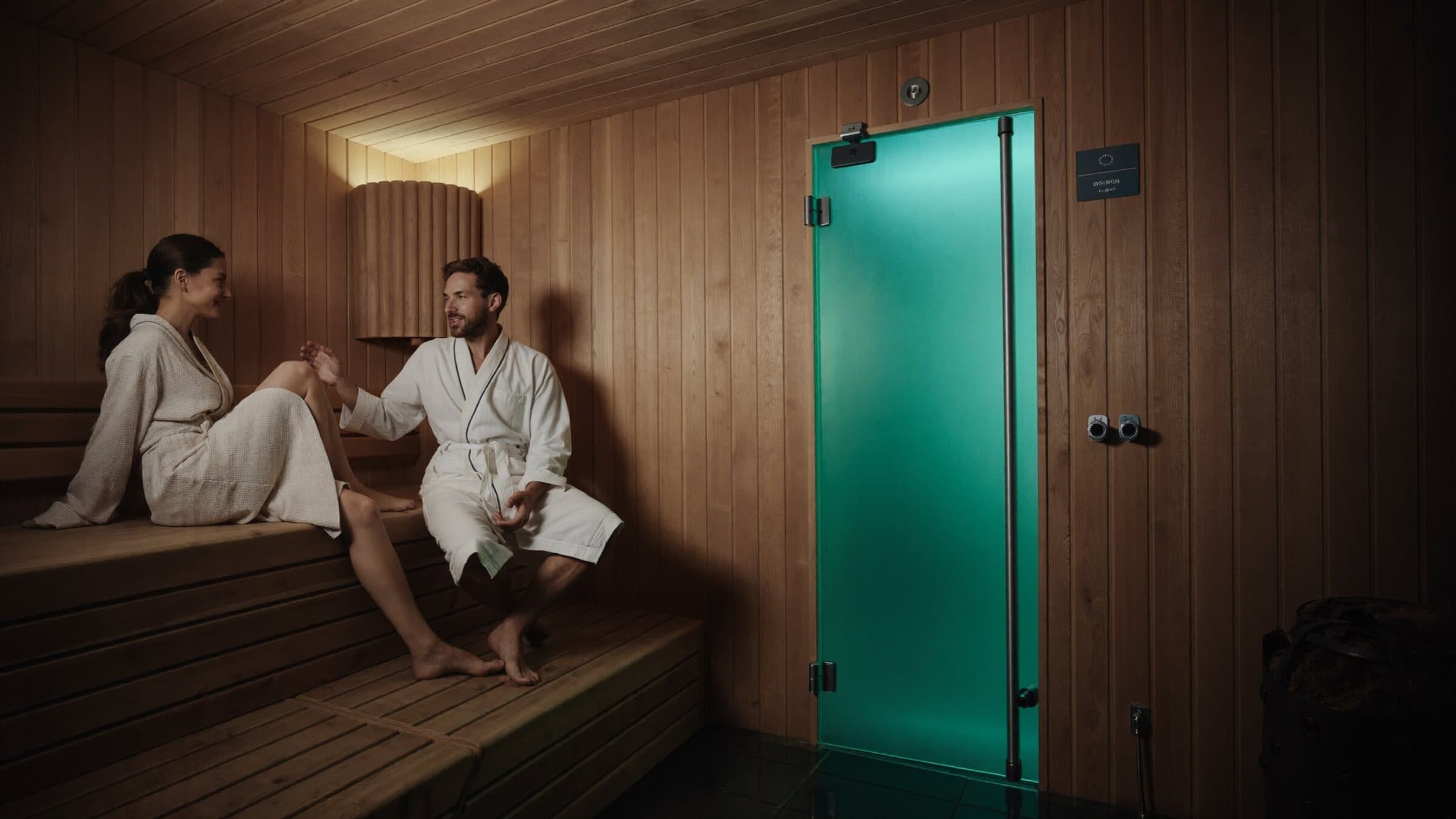
Heat and cold terms describe exposures, not guaranteed outcomes. Infrared sauna uses radiant energy, while traditional sauna relies more on heated air. Cold-water immersion places part of the body in cold water and can trigger cold shock. Contrast therapy alternates heat and cold. Cryotherapy is broader and must distinguish localized equipment from a whole-body chamber before any protocol or claim is assigned. A comfort change can inform preference without identifying the cause, proving healing, or clearing the next session.
Compression terms
Dynamic or intermittent pneumatic compression uses inflatable chambers that apply and release pressure around a limb. A sleeve is the wearable component, while a cycle is the programmed inflation sequence. Fit, pressure, body area, and contraindications depend on the exact device. FDA clearance supports specific labeled language for a verified model and does not prove every recovery, circulation, or performance promise. An observation becomes more useful when it leads to a clear adjustment and a later check on the result.
Training terms
Training terms include load, readiness, active recovery, adaptation, and DOMS. Load combines frequency, volume, intensity, novelty, and context. Readiness is a judgment based on several cues, not one score. Active recovery is genuinely easy movement. Adaptation is the longer-term response to training. DOMS means delayed onset muscle soreness and should not be used as a label for every injury or severe symptom. Use that cue with the week's training, sleep, nutrition, and life stress rather than interpreting it alone.
Safety and evidence labels
Evidence labels describe confidence and relevance. Verified means the source was checked, not that every implied claim is true. Indirect evidence studies a related but different device, population, or outcome. Mixed evidence means results or certainty vary. A clinical or booking hold means a provider, device, protocol, oversight, consent, or other material fact is unresolved, so online booking remains unavailable. When several cues move away from normal together, reduce certainty and consider whether qualified guidance is needed.


A practical way to use this information
- 1
For Recovery Terms in Plain Language, start with the plain-language definition and separate the topic from adjacent terms that are often used interchangeably.
- 2
Apply the idea to the activity that came before and the demand that comes next instead of copying a universal protocol.
- 3
Use the evidence section to distinguish supported findings, mixed findings, practical experience, and unanswered questions.
- 4
If a service is relevant, review its preparation, supervision, stop process, and current operating details before booking.
- 5
Use a qualified professional for diagnosis, medical clearance, persistent symptoms, medication questions, or a concern outside a wellness studio's scope.
Fit, limits, and when to choose another path
A recovery studio is not emergency or diagnostic care. New, severe, worsening, or unexplained symptoms should be assessed by an appropriate health professional before a wellness booking. A website cannot diagnose a condition, clear someone for a service, or replace emergency or clinical care. New, severe, worsening, or unexplained symptoms, fainting, breathing difficulty, chest symptoms, major swelling, loss of function, or other urgent concerns should be routed to appropriate medical care instead of a recovery booking. For Recovery Terms in Plain Language, follow the current service-specific screening and stop guidance rather than relying on general information alone.
Where this fits in the Recovery Mode system
Return to Recovery Fundamentals for the complete topic map.
Continue with Signs You May Need More Recovery, Recovery Metrics Without the Hype, or Recovery After Travel when that decision is closer to your situation.
For the service or selection path, review Choose Your Recovery.
For Recovery Terms in Plain Language, the right choice can change with the day. Compare the current experience, level of guidance, time, preparation, and what you intend to do next. Use the live booking or contact source for changing details, and do not treat general information as personal medical clearance.
Frequently asked questions
Myofascial refers to muscle and surrounding connective tissue. Myofascial release is a broad label for slower or sustained pressure. The term does not prove that fascia is melted, broken apart, or permanently corrected. The safest useful choice preserves normal communication, control, and the ability to stop before symptoms escalate.
Contrast therapy alternates heat and cold, often sauna and cold-water immersion. Sequence and intensity vary. Both exposures add stress, so screening, transitions, supervision, hydration context, and stop cues remain necessary. The goal is an informed next step, not certainty that one sensation or score can provide a diagnosis.
Dynamic compression uses inflatable chambers that apply and release external pressure in a sequence around a limb. The mechanism does not establish guaranteed circulation, soreness, recovery, injury, or performance outcomes. The next planned activity matters because an easy day and a high-consequence effort demand different levels of readiness.
DOMS means delayed onset muscle soreness. It often follows unfamiliar or demanding exercise and appears later. The label should not be applied automatically to sharp, severe, swollen, neurologic, or function-limiting symptoms. Write down what changed and when, since a clear timeline helps a coach or clinician interpret the concern.
A clinical hold means material health, provider, device, protocol, consent, oversight, or emergency facts remain unresolved. Online booking should remain unavailable until Recovery Mode and the appropriate qualified professionals confirm the missing facts. Make the smallest reasonable change first so you can tell whether it helped, did nothing, or made symptoms worse.
Next step
For Recovery Terms in Plain Language, confirm the current service details, responsible provider, screening, and personal-fit questions before reserving. Use Book Your Recovery Session for an operational question, and use an appropriate health professional for medical clearance or symptoms that need evaluation.
Reserve a session
Current durations, prices, providers, and availability live in the booking system, not on this page.
Booking is handled by Acuity Scheduling. Nothing on this page is medical advice or clearance to participate.
Sources and review basis
- Sports Massage(opens in a new tab)
First Party Web. Supports: The official sports massage page describes sports massage as a bookable service and mentions cupping, deep tissue, and myofascial release. Limits: Provider assignment, current price, and licensing require verification.
- Contrast Service(opens in a new tab)
First Party Web. Supports: The official site markets a combined infrared sauna and cold plunge service. Limits: Privacy, temperatures, duration, supervision, towels, shower, and screening are not fully verified.
- Leg Compression(opens in a new tab)
First Party Web. Supports: The official site markets NormaTec leg compression as a bookable service. Limits: Exact device model, labeling, session length, and screening are unverified.
- Health Claims(opens in a new tab)
Official Regulator. Supports: FTC health-marketing guidance requires truthful, non-misleading, adequately substantiated express and implied health claims. Limits: Service-specific evidence and qualified review remain necessary.
- Recovery Mode sports massage page(opens in a new tab)
Recovery Mode. Supports: Sports massage formats, techniques represented, durations, and prices shown on the current page.
- Recovery Mode infrared sauna and cold plunge page(opens in a new tab)
Recovery Mode. Supports: Infrared sauna and cold plunge are represented as a combined service.
- Recovery Mode NormaTec compression page(opens in a new tab)
Recovery Mode. Supports: NormaTec leg compression is represented as a current service.
- Intermittent pneumatic compression and exercise recovery review(opens in a new tab)
PubMed. Supports: The evidence base is mixed and certainty varies for pneumatic compression and recovery outcomes.