
What Is Myofascial Release?
5 sections7 min read
The short answer
Myofascial release is a broad label for sustained or slowly moving pressure used within some massage sessions. The therapist may follow tissue resistance and your feedback, but the technique does not literally melt fascia or guarantee pain relief. Comfort, consent, timing, provider licensure, and medical boundaries matter more than the label.
The decision this page helps you make
Myofascial release is used inconsistently across wellness and clinical settings, which makes plain language essential. In a sports massage context, it may describe slower pressure or gentle loading directed at an area that feels restricted. What happens should be explained in observable terms rather than through claims about breaking adhesions, releasing toxins, or permanently correcting posture. The therapist's choice should reflect your intake, agreed goal, skin and health considerations, timing around activity, and response during the session. You can ask what technique is being proposed, what it may feel like, what evidence supports the intended claim, and what alternatives exist. Persistent or concerning symptoms still belong with an appropriate clinician.

What matters before you choose
Plain-language definition
In practical terms, myofascial release often means slow, sustained, or gently moving pressure applied through the skin. The label covers varied methods and is not a standardized promise of one effect. Recovery Mode's current sports massage materials mention myofascial release, but whether it is a separate booking, an included technique, or appropriate for you requires current operational and provider confirmation. Share the exact activity calendar so the therapist understands whether temporary soreness would disrupt what comes next.
How pressure may be applied
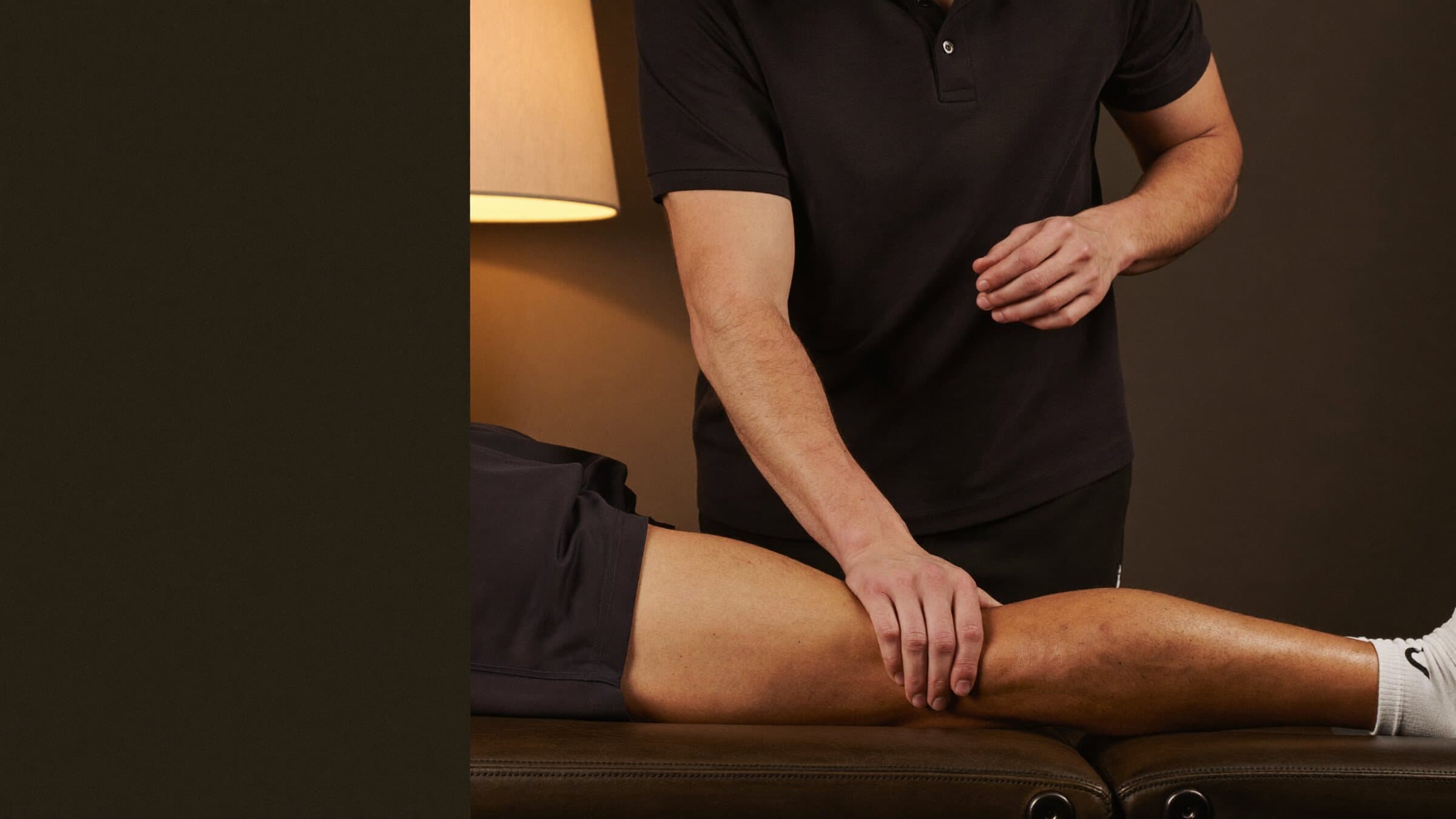
Pressure may be applied with hands, forearms, or another permitted approach, typically at a pace that allows ongoing feedback. Sensations can include stretching, pressure, warmth, or no distinct change. Sharp, burning, electric, numb, or intolerable sensations require adjustment. A dramatic feeling is not necessary, and the therapist should not use pain as proof that tissue is being corrected. Keep subjective comfort separate from objective claims about strength, speed, injury risk, healing, or long-term tissue change.
Why technique choice varies
Technique choice can vary with the goal, body area, recent training, tissue sensitivity, health history, and what you need to do next. A therapist may choose another hands-on method or decide the area should not be worked. That variation is not inconsistency when the reasoning is clear and consent is active. It also means one person's session does not predict yours. Temporary tenderness can affect timing, particularly when an important training session, race, or travel day follows.
Comfort communication
Communicate before and during the work. Explain recent injury, bruising, skin problems, medications, surgery, pregnancy, circulation concerns, and any change in sensation. Request less pressure, a position change, a different area, or a stop at any time. In New York, massage therapy is a licensed profession, so verify the responsible provider and current registration rather than relying on a technique title. Evidence supports cautious, outcome-specific language rather than guarantees about healing, prevention, performance, detoxification, or permanent correction.
Evidence limits
Evidence and outcomes should remain qualified. A session may change comfort or movement perception for some people, but it cannot guarantee injury repair, permanent posture change, improved performance, or elimination of chronic pain. Temporary improvement also does not identify the cause of symptoms. Persistent, worsening, traumatic, neurologic, or function-limiting concerns require appropriate clinical evaluation. Your previous response is useful planning context, but it does not guarantee the same response at the next appointment.


A practical way to use this information
- 1
For What Is Myofascial Release?, start with the plain-language definition and separate the topic from adjacent terms that are often used interchangeably.
- 2
Apply the idea to the activity that came before and the demand that comes next instead of copying a universal protocol.
- 3
Use the evidence section to distinguish supported findings, mixed findings, practical experience, and unanswered questions.
- 4
If a service is relevant, review its preparation, supervision, stop process, and current operating details before booking.
- 5
Use a qualified professional for diagnosis, medical clearance, persistent symptoms, medication questions, or a concern outside a wellness studio's scope.
Fit, limits, and when to choose another path
A recovery studio is not emergency or diagnostic care. New, severe, worsening, or unexplained symptoms should be assessed by an appropriate health professional before a wellness booking. A website cannot diagnose a condition, clear someone for a service, or replace emergency or clinical care. New, severe, worsening, or unexplained symptoms, fainting, breathing difficulty, chest symptoms, major swelling, loss of function, or other urgent concerns should be routed to appropriate medical care instead of a recovery booking. For What Is Myofascial Release?, follow the current service-specific screening and stop guidance rather than relying on general information alone.
Where this fits in the Recovery Mode system
Return to When to Schedule Sports Massage for the complete topic map.
Continue with A Guide to Trigger Point Techniques, Sports Massage Before a Race, or Sports Massage After a Race when that decision is closer to your situation.
For the service or selection path, review Choose Your Recovery.
For What Is Myofascial Release?, the right choice can change with the day. Compare the current experience, level of guidance, time, preparation, and what you intend to do next. Use the live booking or contact source for changing details, and do not treat general information as personal medical clearance.
Frequently asked questions
Myofascial release is a broad term for slower or sustained pressure intended to work with a person's comfort and perceived restriction. It describes an approach, not proof that fascia was broken, melted, or permanently changed.
Recovery Mode currently mentions myofascial release within its sports massage context. Whether it is separately bookable, included, or offered by a particular licensed therapist must be confirmed through current booking details and provider records. Consent applies to each area and technique, so you can modify positioning, pressure, draping, or the session itself.
You may feel slow pressure, stretching, warmth, tenderness, or little immediate change. Sharp, burning, electric, numb, or intolerable sensations are reasons to request an adjustment or stop, not milestones to achieve. Describe the sensation as it occurs, since words such as deep or firm can mean different things to different people.
A licensed therapist considers your intake, goal, body area, recent activity, health factors, timing, and feedback. The name alone does not determine whether the technique is appropriate or preferable to another option. Choose pressure and timing according to the actual activity plan rather than copying another athlete's preferred massage routine.
No specific result is guaranteed. Myofascial release should not promise injury healing, permanent pain elimination, posture correction, detoxification, or improved performance. Individual comfort changes must stay separate from medical diagnosis and broad claims. Recent trauma, significant swelling, altered sensation, skin injury, or worsening pain changes whether massage is an appropriate next step.
Next step
For What Is Myofascial Release?, confirm the current service details, responsible provider, screening, and personal-fit questions before reserving. Use Book Your Recovery Session for an operational question, and use an appropriate health professional for medical clearance or symptoms that need evaluation.
Reserve a session
Current durations, prices, providers, and availability live in the booking system, not on this page.
Booking is handled by Acuity Scheduling. Nothing on this page is medical advice or clearance to participate.
Sources and review basis
- Sports Massage(opens in a new tab)
First Party Web. Supports: The official sports massage page describes sports massage as a bookable service and mentions cupping, deep tissue, and myofascial release. Limits: Provider assignment, current price, and licensing require verification.
- Massage Evidence And Safety(opens in a new tab)
Official Health Source. Supports: Massage evidence and safety language should remain qualified and avoid guaranteed outcomes. Limits: Does not substantiate a Recovery Mode outcome claim.
- Massage Licensing(opens in a new tab)
Official Regulator. Supports: New York law controls massage therapist licensure and titles. Limits: Individual registrations remain to be verified.
- Health Claims(opens in a new tab)
Official Regulator. Supports: FTC health-marketing guidance requires truthful, non-misleading, adequately substantiated express and implied health claims. Limits: Service-specific evidence and qualified review remain necessary.
- Recovery Mode sports massage page(opens in a new tab)
Recovery Mode. Supports: Sports massage formats, techniques represented, durations, and prices shown on the current page.
- Massage Therapy: What You Need To Know(opens in a new tab)
National Center for Complementary and Integrative Health. Supports: Evidence limits, safety considerations, and questions to ask a massage practitioner.
- New York massage therapy license requirements(opens in a new tab)
New York State Education Department. Supports: Massage therapy is a licensed profession in New York and the published licensure requirements.