

A Guide to Trigger Point Techniques
5 sections7 min read
The short answer
A trigger point is a common label for a tender, locally sensitive spot in muscle. Focused pressure may reproduce local or nearby sensation, but the finding does not identify toxins or prove one cause of pain. Pressure should remain tolerable and adjustable. One session cannot promise to permanently remove a knot or cure symptoms.
The decision this page helps you make
People use the word knot to describe many different sensations, from a small tender spot to broad tension or referred discomfort. A massage therapist may apply focused pressure and ask how the sensation changes, but touch alone cannot establish a complete diagnosis. The area may feel familiar, unfamiliar, local, or connected to another location. Those observations can guide comfort-focused work without proving that a fixed object exists in the muscle. During treatment, you should remain able to communicate and request a lighter approach or stop. Persistent pain, weakness, numbness, swelling, trauma, or loss of function needs appropriate evaluation rather than repeated pressure on the same spot.

What matters before you choose
What people call a trigger point
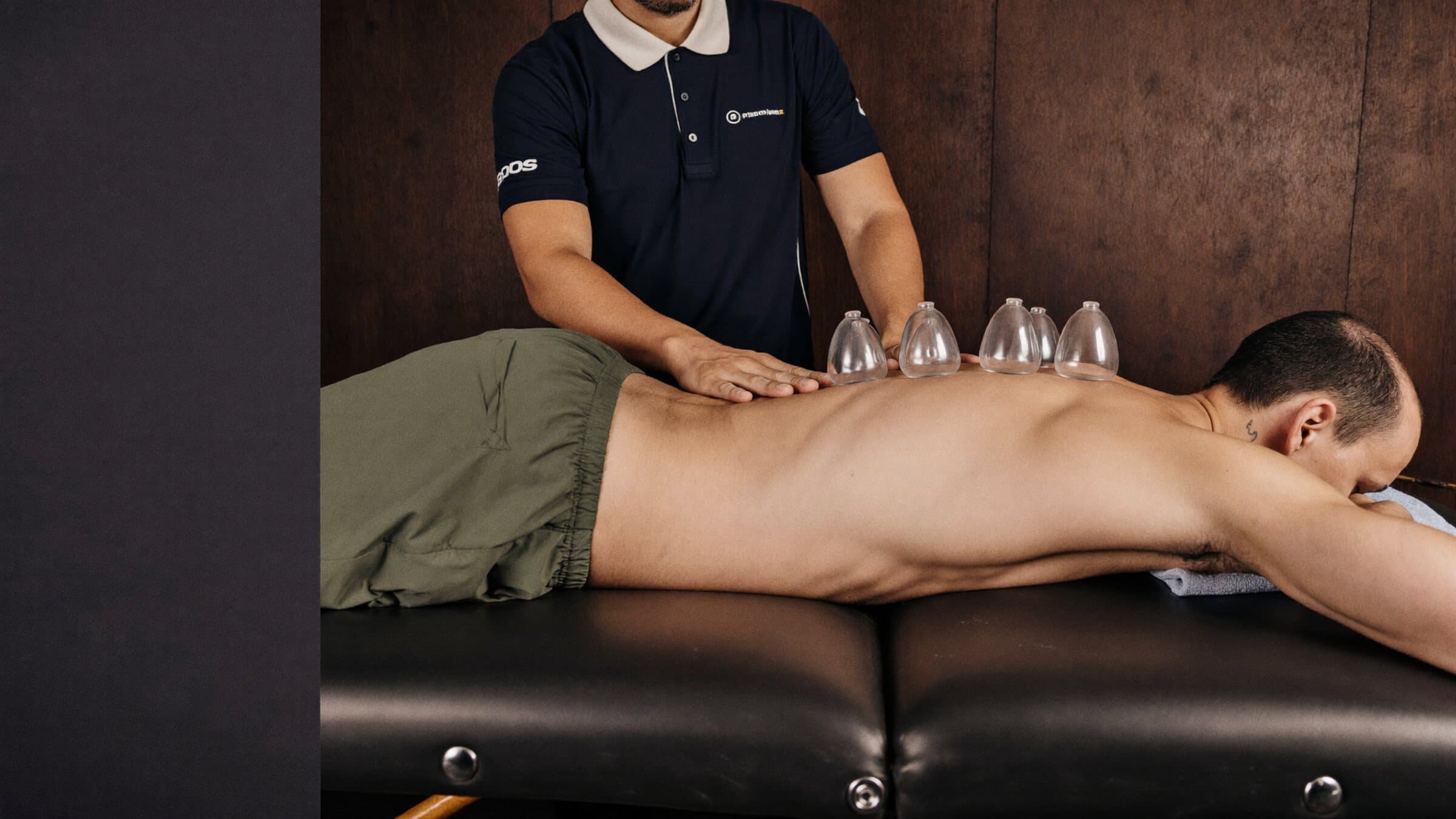
Trigger point is a practical term often used for a tender or sensitive muscular area that feels like a knot. It does not mean a pocket of toxin, lactic acid, or damaged tissue has been identified. Different practitioners may use the label differently, so ask what observable finding they mean and how the proposed pressure relates to your stated goal and comfort. The therapist should explain material risks and alternatives before any add-on that changes sensation or may leave visible marks.
Focused pressure experience
Focused pressure may feel dull, intense, achy, or locally tender. You should still be able to breathe normally and choose whether to continue. Sharp, burning, electric, numb, or escalating pain is not a target. The therapist can reduce force, shorten contact, change position, use broader work, or leave the area alone. Strong sensation does not validate the theory behind it. Consent applies to each area and technique, so you can modify positioning, pressure, draping, or the session itself.
Referred sensation caveat
Some pressure can be felt away from the contact area, which people often call referred sensation. That experience is not specific enough to diagnose the source of pain or rule out another condition. Tell the therapist exactly where you feel it and whether it resembles your usual symptom. New neurologic signs, radiating weakness, or function loss should prompt clinical assessment rather than stronger pressure. Describe the sensation as it occurs, since words such as deep or firm can mean different things to different people.
Comfort feedback
Acceptable discomfort is personal, adjustable, and never mandatory. Consent continues throughout the session. You can ask to pause before deciding whether any change is useful. Avoid providers who frame pain tolerance as a character test or insist that a spot must be broken up. Bruising, medication effects, skin issues, and recent injury also change what pressure may be appropriate. Choose pressure and timing according to the actual activity plan rather than copying another athlete's preferred massage routine.
Outcome limits
A single session cannot guarantee permanent removal of a knot, lasting pain relief, posture correction, or improved performance. Comfort may change temporarily, remain the same, or worsen. Track the response without turning it into a diagnosis. Symptoms that are severe, persistent, recurrent, traumatic, neurologic, or limiting normal activity deserve evaluation from an appropriately licensed health professional. Recent trauma, significant swelling, altered sensation, skin injury, or worsening pain changes whether massage is an appropriate next step.

A practical way to use this information
- 1
For A Guide to Trigger Point Techniques, start with the plain-language definition and separate the topic from adjacent terms that are often used interchangeably.
- 2
Apply the idea to the activity that came before and the demand that comes next instead of copying a universal protocol.
- 3
Use the evidence section to distinguish supported findings, mixed findings, practical experience, and unanswered questions.
- 4
If a service is relevant, review its preparation, supervision, stop process, and current operating details before booking.
- 5
Use a qualified professional for diagnosis, medical clearance, persistent symptoms, medication questions, or a concern outside a wellness studio's scope.
Fit, limits, and when to choose another path
A recovery studio is not emergency or diagnostic care. New, severe, worsening, or unexplained symptoms should be assessed by an appropriate health professional before a wellness booking. A website cannot diagnose a condition, clear someone for a service, or replace emergency or clinical care. New, severe, worsening, or unexplained symptoms, fainting, breathing difficulty, chest symptoms, major swelling, loss of function, or other urgent concerns should be routed to appropriate medical care instead of a recovery booking. For A Guide to Trigger Point Techniques, follow the current service-specific screening and stop guidance rather than relying on general information alone.
Where this fits in the Recovery Mode system
Return to When to Schedule Sports Massage for the complete topic map.
Continue with Deep Tissue Massage Within Sports Massage, Sports Massage Before a Race, or Sports Massage After a Race when that decision is closer to your situation.
For the service or selection path, review Choose Your Recovery.
For A Guide to Trigger Point Techniques, the right choice can change with the day. Compare the current experience, level of guidance, time, preparation, and what you intend to do next. Use the live booking or contact source for changing details, and do not treat general information as personal medical clearance.
Frequently asked questions
A trigger point is a common term for a tender or locally sensitive muscular spot. It is a descriptive label, not proof of a toxin deposit, fixed knot, injury, or single cause of pain. Technique names vary between practitioners, making a plain description of pressure, pace, placement, and expected sensation more useful.
Focused pressure can feel dull, achy, tender, or intense while remaining tolerable. Sharp, burning, electric, numb, or escalating sensation is a reason to reduce pressure or stop rather than continue. Skin, medication, circulation, pregnancy, surgery, and injury context can all change how hands-on pressure should be approached.
Sensation can sometimes be noticed away from the point of contact, but that observation does not identify a diagnosis. Report its location and quality, especially if it includes weakness, numbness, or loss of function. Pressure should remain adjustable throughout the session, with sharp, burning, electric, or numb sensations prompting an immediate change.
Only as much discomfort as you freely accept while staying able to breathe and communicate. Pain is not required. Ask for less pressure, broader contact, another position, or an end to the technique. Do not use pain tolerance, bruising, or visible marks as a measure of how effective the work was.
No. One session cannot promise permanent removal, cure pain, correct posture, or improve performance. Individual comfort changes may occur, but persistent or concerning symptoms require a separate clinical evaluation. Persistent or escalating symptoms after a session deserve appropriate evaluation rather than being dismissed as necessary soreness.
Next step
For A Guide to Trigger Point Techniques, confirm the current service details, responsible provider, screening, and personal-fit questions before reserving. Use Book Your Recovery Session for an operational question, and use an appropriate health professional for medical clearance or symptoms that need evaluation.
Reserve a session
Current durations, prices, providers, and availability live in the booking system, not on this page.
Booking is handled by Acuity Scheduling. Nothing on this page is medical advice or clearance to participate.
Sources and review basis
- Sports Massage(opens in a new tab)
First Party Web. Supports: The official sports massage page describes sports massage as a bookable service and mentions cupping, deep tissue, and myofascial release. Limits: Provider assignment, current price, and licensing require verification.
- Massage Evidence And Safety(opens in a new tab)
Official Health Source. Supports: Massage evidence and safety language should remain qualified and avoid guaranteed outcomes. Limits: Does not substantiate a Recovery Mode outcome claim.
- Massage Licensing(opens in a new tab)
Official Regulator. Supports: New York law controls massage therapist licensure and titles. Limits: Individual registrations remain to be verified.
- Health Claims(opens in a new tab)
Official Regulator. Supports: FTC health-marketing guidance requires truthful, non-misleading, adequately substantiated express and implied health claims. Limits: Service-specific evidence and qualified review remain necessary.
- Massage Therapy: What You Need To Know(opens in a new tab)
National Center for Complementary and Integrative Health. Supports: Evidence limits, safety considerations, and questions to ask a massage practitioner.
- New York massage therapy license requirements(opens in a new tab)
New York State Education Department. Supports: Massage therapy is a licensed profession in New York and the published licensure requirements.