
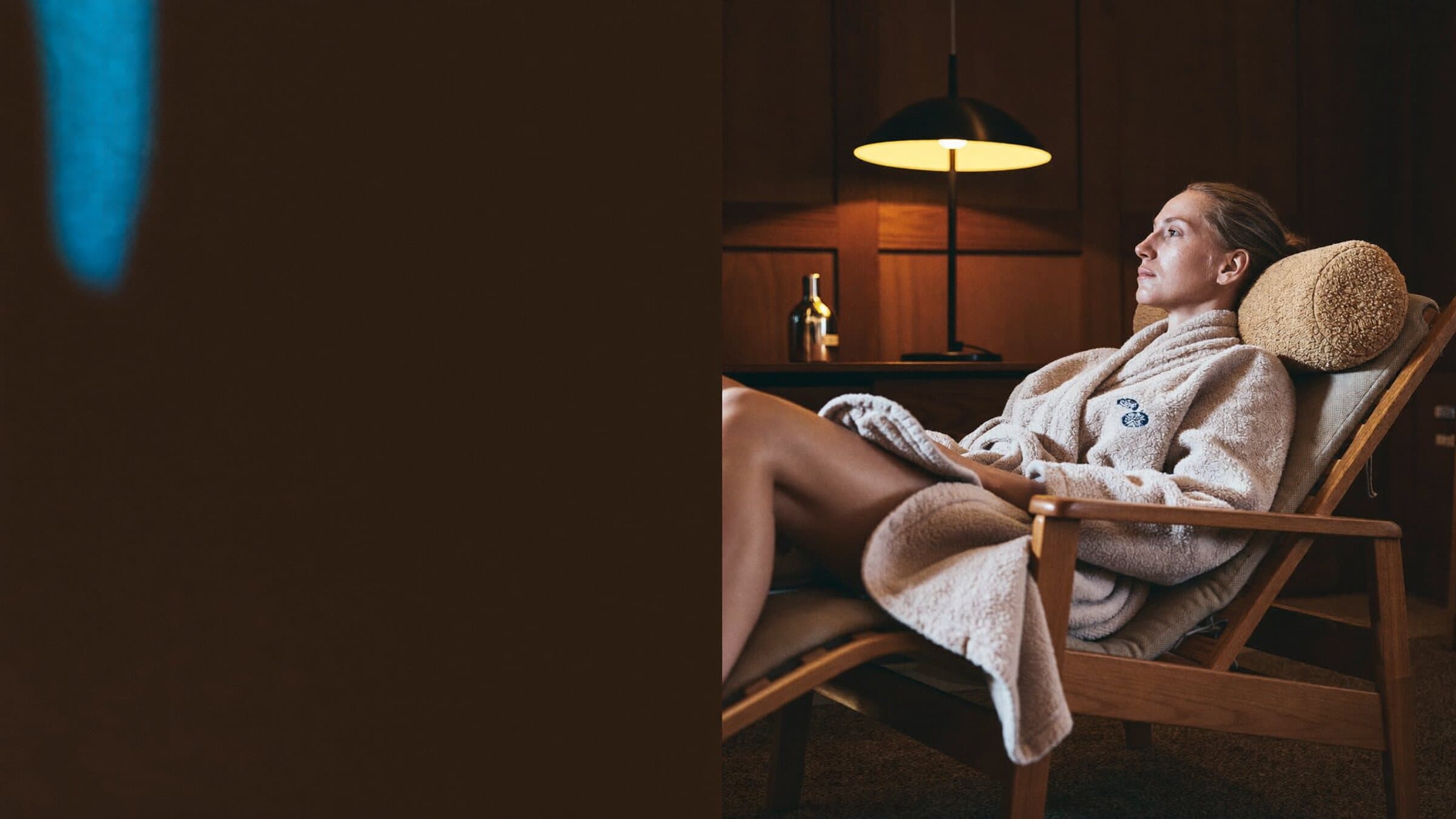
Sleep and Workout Recovery
5 sections6 min read
The short answer
Sleep belongs at the center of recovery because it supports health, attention, and readiness across days. One short night may justify adjusting expectations, but it does not create a universal rule. Massage, sauna, cold, or compression cannot replace sleep. Persistent sleep difficulty or significant daytime effects deserve clinical discussion.
The decision this page helps you make
Training plans often describe the work in detail and leave sleep to chance. That reverses a useful priority. Sleep is a recurring biological need, while recovery services are optional experiences with narrower roles. You can improve the odds of restorative rest by protecting a consistent sleep opportunity, noticing how late exercise, caffeine, travel, screens, and stress affect you, and planning hard sessions around real life. Avoid turning one wearable score or one poor night into a diagnosis. Instead, look for patterns in sleep, energy, mood, soreness, and performance. If sleep trouble persists, disrupts daily functioning, or comes with symptoms such as loud snoring or breathing interruptions, discuss it with an appropriate health professional.

What matters before you choose
Sleep as a recovery input
Sleep is a recovery input because it supports physical health, mental function, and the ability to respond to daily demands. It is not simply inactive time after exercise. A reasonable plan creates enough protected time for sleep and acknowledges that individual needs vary. When sleep is repeatedly limited, feeling exhausted is not a failure of discipline that a more intense workout or wellness treatment should override.
Consistency and routine
Consistency can make sleep easier to plan, even when perfect regularity is unrealistic. Try to stabilize the parts you control, such as your wake time, wind-down cues, bedroom conditions, and late-evening commitments. Notice trends rather than expecting instant results. A routine is a practical experiment, not a treatment claim, and people with ongoing insomnia or another suspected sleep disorder need individualized care. Do not let a familiar label hide a symptom that is severe, unexplained, or moving in the wrong direction.
Training schedule considerations
Training timing can affect rest differently from person to person. Some people settle easily after evening exercise, while others remain alert after a late, intense session. Use your own repeated pattern to decide when demanding work fits best. If the schedule cannot change, consider a longer transition from exercise to bedtime and avoid adding stimulating recovery practices simply because they are marketed as restorative. Timing, recent workload, health history, and the next demand all change how this general guidance should be applied.
Limits of wellness services
Massage, heat, cold, compression, and guided breathing may create a preferred relaxation or transition experience, but none provides the functions of sleep. Do not use a service as permission to keep reducing sleep opportunity. If a modality leaves you activated, uncomfortable, overheated, or chilled near bedtime, its timing may not fit you even when another person reports a calming effect. Keep sleep, food, fluids, and training load visible before attributing the entire response to one optional modality.
Care escalation
Persistent trouble falling asleep, staying asleep, waking too early, or functioning during the day belongs in a clinical conversation. So do possible breathing interruptions, unusual nighttime behaviors, or sleepiness that makes driving or work unsafe. A recovery studio cannot diagnose the cause. Keep an honest record of timing and symptoms, then bring that context to a qualified professional. Consider whether the choice solves the actual constraint or merely adds another task to an already demanding recovery plan.

A practical way to use this information
- 1
For Sleep and Workout Recovery, start with the plain-language definition and separate the topic from adjacent terms that are often used interchangeably.
- 2
Apply the idea to the activity that came before and the demand that comes next instead of copying a universal protocol.
- 3
Use the evidence section to distinguish supported findings, mixed findings, practical experience, and unanswered questions.
- 4
If a service is relevant, review its preparation, supervision, stop process, and current operating details before booking.
- 5
Use a qualified professional for diagnosis, medical clearance, persistent symptoms, medication questions, or a concern outside a wellness studio's scope.
Fit, limits, and when to choose another path
A recovery studio is not emergency or diagnostic care. New, severe, worsening, or unexplained symptoms should be assessed by an appropriate health professional before a wellness booking. A website cannot diagnose a condition, clear someone for a service, or replace emergency or clinical care. New, severe, worsening, or unexplained symptoms, fainting, breathing difficulty, chest symptoms, major swelling, loss of function, or other urgent concerns should be routed to appropriate medical care instead of a recovery booking. For Sleep and Workout Recovery, follow the current service-specific screening and stop guidance rather than relying on general information alone.
Where this fits in the Recovery Mode system
Return to Recovery Fundamentals for the complete topic map.
Continue with Recovery After Travel, A Recovery Guide for Desk Tension, or Recovery Terms in Plain Language when that decision is closer to your situation.
For the service or selection path, review Choose Your Recovery.
For Sleep and Workout Recovery, the right choice can change with the day. Compare the current experience, level of guidance, time, preparation, and what you intend to do next. Use the live booking or contact source for changing details, and do not treat general information as personal medical clearance.
Frequently asked questions
Sleep supports health, attention, and day-to-day readiness, so repeated disruption can affect how training feels and how well you function. It is a foundational need rather than an optional recovery technique. An observation becomes more useful when it leads to a clear adjustment and a later check on the result.
One poor night can change energy, motivation, and perceived effort, so consider reducing expectations or choosing an easier session. Do not treat one night or one device score as a diagnosis of your recovery state.
No. These services may influence comfort or relaxation for some people, but they do not replace the biological need for sleep. Protect sleep opportunity before relying on optional modalities. When several cues move away from normal together, reduce certainty and consider whether qualified guidance is needed.
Late or intense training can leave some people alert, while others sleep normally. Compare your own repeated experience and allow a settling period when needed instead of following a universal timing rule. Ordinary variation is expected, but a sustained decline in health or function deserves more than self-directed recovery.
Discuss sleep trouble when it persists, affects daytime function, creates safety concerns, or includes possible breathing interruptions or unusual behaviors. A clinician can evaluate causes that a wellness service and website cannot diagnose. A repeated pattern is more informative than one isolated observation, especially when normal function has not changed.
Next step
For Sleep and Workout Recovery, confirm the current service details, responsible provider, screening, and personal-fit questions before reserving. Use Book Your Recovery Session for an operational question, and use an appropriate health professional for medical clearance or symptoms that need evaluation.
Reserve a session
Current durations, prices, providers, and availability live in the booking system, not on this page.
Booking is handled by Acuity Scheduling. Nothing on this page is medical advice or clearance to participate.
Sources and review basis
- Health Claims(opens in a new tab)
Official Regulator. Supports: FTC health-marketing guidance requires truthful, non-misleading, adequately substantiated express and implied health claims. Limits: Service-specific evidence and qualified review remain necessary.
- Legal Entity And Service Boundary(opens in a new tab)
First Party Legal. Supports: Current terms identify Portable Physical Therapy P.C. doing business as Recovery Mode and state that website content is not diagnosis or emergency care. Limits: Terms need counsel review against actual service entities and booking flow.
- About sleep(opens in a new tab)
Centers for Disease Control and Prevention. Supports: Sleep is important for health and well-being, with needs varying by age and person.